
Union Budget Introduces New Programmes for Agriculture and Horticulture
New schemes aim to modernize farming and boost horticulture exports Farmers to benefit from infrastructure, credit, and climate-friendly initiatives Budget places renewed emphasis on food security and rural development Experts welcome reforms but stress importance of effective implementation Agriculture policy shifts toward diversification and value-added production A roadmap for resilient and profitable farming

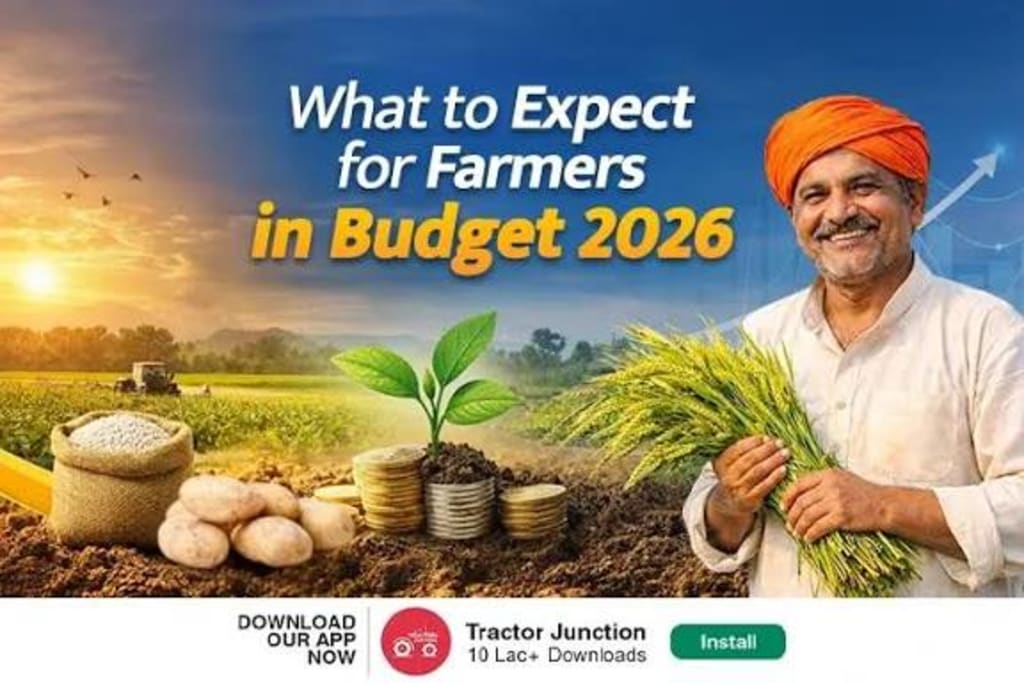
The government’s latest Union Budget has placed renewed focus on agriculture and horticulture, unveiling a series of new programmes aimed at boosting rural incomes, strengthening food security, and modernizing farming practices. With inflation pressures and climate challenges affecting farmers across the country, policymakers say the new initiatives are designed to make agriculture more resilient, sustainable, and profitable.
Finance officials described the measures as a long-term investment in rural development, targeting crop diversification, better irrigation, and improved access to markets for small and medium-scale farmers.
Key Highlights of the New Programmes
One of the central features of the budget is the launch of specialized schemes for high-value crops such as fruits, vegetables, spices, and plantation products. The government has allocated funds to support farmers who shift from low-yield cereal crops to horticulture, which typically offers higher returns per acre.
New programmes will focus on:
Expanding cold storage and warehouse facilities
Improving farm-to-market transport networks
Providing modern equipment and seeds
Promoting organic and climate-resilient farming
Officials said these steps are meant to reduce post-harvest losses, which currently account for a significant portion of wasted produce every year.
“Agriculture is no longer just about producing more,” a senior finance ministry official said. “It is about producing smarter and ensuring farmers earn fairly from their efforts.”
Support for Small Farmers
Small and marginal farmers form the backbone of the agricultural sector, and the new budget includes direct support mechanisms for them. These include low-interest credit lines, crop insurance enhancements, and training programs in modern farming techniques.
Under one initiative, farmers will receive digital tools and advisory services through mobile platforms, offering guidance on weather conditions, soil health, and market prices. This move is expected to reduce dependence on middlemen and increase transparency in agricultural trade.
Farmer cooperatives and self-help groups will also receive financial incentives to pool resources and negotiate better prices for seeds, fertilizers, and equipment.
Boost to Horticulture Sector
Horticulture has emerged as a key growth engine within agriculture, contributing significantly to exports and employment. The budget introduces region-specific plans for fruits like mangoes, apples, citrus, and bananas, as well as vegetables and floriculture.
Investment will be made in research centers to develop disease-resistant plant varieties and improve yields. The government also plans to partner with private companies to build food processing units near farming clusters, helping farmers sell processed goods rather than raw produce.
“This can transform rural economies,” said an agricultural economist. “When farmers can process and package their own products, they earn more and create jobs locally.”
Climate and Sustainability Measures
Climate change remains one of the biggest threats to agriculture. The budget addresses this by funding water conservation projects, micro-irrigation systems, and renewable energy solutions such as solar-powered pumps.
Programs promoting soil testing and balanced fertilizer use aim to reduce environmental damage while maintaining productivity. There is also support for crop diversification in regions that face frequent droughts or floods.
Experts believe these measures could make farming more resilient against unpredictable weather patterns.
Market Access and Exports
Another important focus is improving access to domestic and international markets. The budget outlines plans to strengthen agricultural export corridors and simplify certification procedures for overseas trade.
Special attention has been given to horticultural exports, which are growing rapidly in global demand. The government hopes that by improving quality standards and packaging, farmers will be able to compete in international markets more effectively.
Digital marketplaces will also be expanded to connect farmers directly with buyers, reducing transaction costs and delays.
Mixed Reactions from Farmers and Analysts
Farmer groups have cautiously welcomed the announcements. Many see the new programmes as a positive step but stress that effective implementation will be crucial.
“We’ve heard promises before,” said a farmer union leader. “What matters is whether funds reach villages on time and whether training programs are practical for real conditions on farms.”
Economists praised the emphasis on diversification and infrastructure but warned that rising input costs—such as fuel and fertilizers—could still limit benefits unless addressed separately.
Some critics argue that the budget should have included stronger price guarantees for crops to protect farmers from market volatility.
Long-Term Vision for Rural Growth
Government officials say the agriculture and horticulture initiatives are part of a broader strategy to double rural incomes and reduce migration to cities by creating opportunities within villages.
By encouraging innovation, sustainability, and market integration, the budget aims to shift agriculture from a survival activity to a profitable enterprise.
“This is not just about this year’s harvest,” the finance minister said in a budget speech. “It is about building a future where farming is a respected and rewarding profession.”
Conclusion
The new Union Budget programmes for agriculture and horticulture signal a strong policy push toward modernization and sustainability. With investments in infrastructure, technology, and market access, the government hopes to empower farmers and strengthen the nation’s food system.
However, the real test will be in execution. If implemented effectively, these initiatives could reshape rural economies and provide long-term stability for millions of farming families. If not, they risk becoming another set of well-intended but under-delivered promises.
As planting seasons approach, farmers across the country will be watching closely to see whether these budget commitments turn into real change in their fields and livelihoods.
About the Creator
Fiaz Ahmed
I am Fiaz Ahmed. I am a passionate writer. I love covering trending topics and breaking news. With a sharp eye for what’s happening around the world, and crafts timely and engaging stories that keep readers informed and updated.
Keep reading
More stories from Fiaz Ahmed and writers in Journal and other communities.
Finance Minister Presents Union Budget 2026 With Focus on Growth, Jobs, and Stability
The Finance Minister presented the Union Budget 2026 in Parliament today, outlining a comprehensive roadmap aimed at strengthening economic growth, creating employment opportunities, and maintaining fiscal discipline amid global uncertainty. The budget places strong emphasis on infrastructure development, digital transformation, agriculture, and social welfare while attempting to balance rising public spending with responsible deficit management.
By Fiaz Ahmed a day ago in Journal
~ Fired ~
— Ai Intrusion ~ Are you Next ~ Is Ai Evolution after your job? — Few workplaces haven't been affected. Ai is in supermarkets, at doctors' offices, and even monitoring farms. I just can't think of anything this machine is not getting into, can you? For instance: Education ~ Law and Tech jobs will one day have a major influence or be taken over by these inanimate machines, with accuracy and vigor. From mechanics' diagnoses to a wide variety of everyday jobs, including fast food workers, with this input having the ability to cut their unnecessary work hours. I'm certain all of us have been touched by this with our short stories and colorful headings, have you? Even comments are very questionable 'Non-Robot' insertions.
By Jay Kantor2 days ago in Journal
Celebrities Skipping Grammys 2026: Who’s Not Attending and Why
As anticipation builds for the 2026 Grammy Awards, attention is not only focused on performers and nominees — but also on the celebrities who are choosing not to attend. Over recent years, award show attendance patterns have changed, with more artists prioritizing personal schedules, touring commitments, creative independence, or personal beliefs over traditional appearances.
By Aarif Lashariabout 20 hours ago in Journal


Comments
There are no comments for this story
Be the first to respond and start the conversation.