
Trump Calls for Regime Change in Iran After US and Israel Launch Major Attack
Rising regional tensions and global uncertainty as Washington and Jerusalem escalate military action and call for political transformation in Tehran
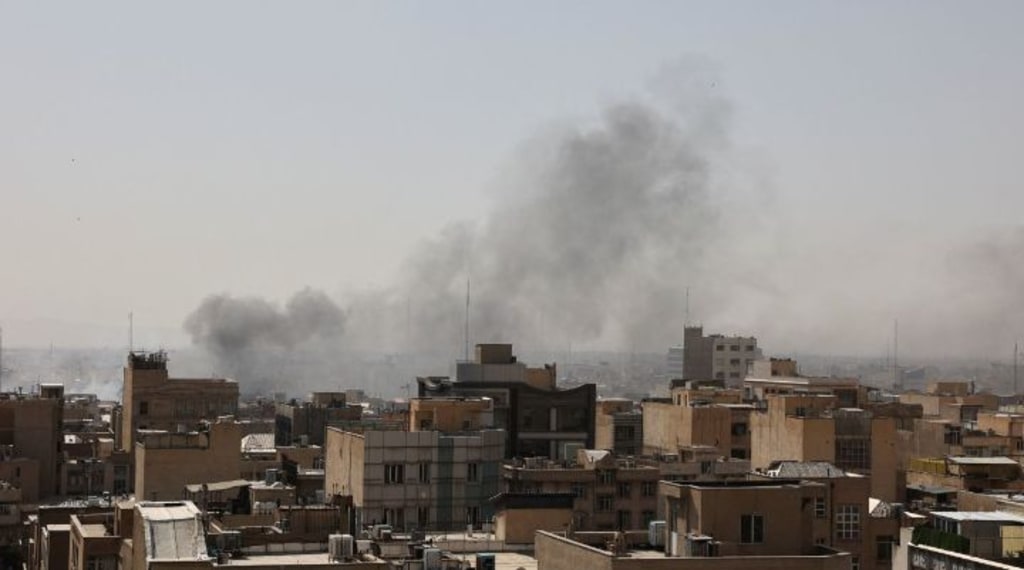
The geopolitical landscape shifted dramatically this week after Donald Trump called for regime change in Iran following a large-scale joint military operation by the United States and Israel. The coordinated strikes targeted key Iranian military infrastructure, marking one of the most aggressive direct confrontations between Washington, Jerusalem, and Tehran in recent years.
Trump’s message was blunt and unprecedented: after military objectives are achieved, the Iranian people should “take back” their country. His remarks have intensified global debate about sovereignty, intervention, and the risks of wider war.
What Happened? A Coordinated Strike on Iran
In the early hours of the operation, U.S. and Israeli forces reportedly struck multiple high-value military targets across Iran. According to official statements, the mission focused on degrading missile systems, naval assets, and strategic defense installations believed to pose an imminent threat.
The White House framed the operation as defensive and necessary, arguing that Tehran’s military posture and regional activities demanded decisive action. Israeli officials echoed that reasoning, describing the strikes as essential to national security and long-term deterrence.
The scale and coordination of the attack signal deep intelligence and operational cooperation between Washington and Jerusalem — a partnership that has evolved significantly over the past decade.
Trump’s Call for Regime Change
What transformed this military action into a historic political moment was Trump’s public appeal to the Iranian people.
Rather than limiting his remarks to military objectives, he openly encouraged citizens to rise against their government once the strikes conclude. He portrayed the intervention as an opportunity for Iranians to reshape their political future.
This kind of direct appeal is rare in modern U.S. diplomacy. While American administrations have criticized Iranian leadership for decades, openly advocating regime change in the middle of active military operations dramatically raises the stakes.
Trump also warned Iranian military leaders to stand down, suggesting severe consequences for those who continue resisting. His message appeared designed to fracture loyalty within Iran’s security apparatus.
Why Now? The Strategic Context
Tensions between the United States and Iran have been simmering for years. Disputes over Iran’s nuclear ambitions, its ballistic missile program, and its support for regional armed groups have repeatedly pushed both sides to the brink.
Iran has faced mounting internal challenges as well — including economic strain from sanctions, inflation, and waves of public protests. Critics of Tehran’s leadership argue that domestic dissatisfaction has been growing steadily.
From Washington’s perspective, the joint strike represents a preemptive effort to prevent further military escalation and neutralize long-term threats. Supporters argue it sends a clear deterrent message not only to Iran but to other regional actors.
However, opponents warn that military action rarely unfolds according to plan.
Iran’s Reaction and Regional Fallout
Tehran condemned the strikes as illegal and provocative, accusing Washington and Israel of aggression. Iranian officials vowed retaliation, raising fears of a broader regional conflict.
Within hours of the attack, reports emerged of missile launches and drone activity targeting U.S. interests in neighboring states. The Persian Gulf region — already tense — now faces the possibility of prolonged instability.
Energy markets reacted nervously. Oil prices spiked amid fears of disrupted supply routes through the Strait of Hormuz, one of the world’s most critical energy chokepoints.
Neighboring countries are now preparing for potential spillover effects, including refugee movements, proxy clashes, and economic disruptions.
Global Reaction: Divided and Cautious
International reaction has been mixed.
Some allies quietly support the effort to contain Iran’s military capabilities, especially regarding nuclear development. Others have expressed alarm about the lack of broader diplomatic engagement before launching such a high-risk operation.
Legal experts are debating whether the strikes comply with international law. Questions have also emerged about congressional authorization and long-term strategy.
The United Nations has urged restraint from all sides, warning that further escalation could destabilize the entire Middle East.
The Risks of Regime Change
History offers complicated lessons about externally driven regime change.
While political transformation can sometimes open pathways to democracy, it can also produce instability, civil conflict, or prolonged power struggles. Removing entrenched leadership structures without a clear transition plan may create governance vacuums.
In Iran’s case, the political system is deeply rooted, with multiple centers of authority and powerful security institutions. Analysts suggest that internal change, if it occurs, would likely be complex and unpredictable.
Moreover, foreign military intervention can sometimes strengthen nationalist sentiment, unifying populations around their government rather than dividing them.
What Happens Next?
The coming weeks will determine whether this confrontation remains limited or spirals into wider conflict.
Several scenarios are possible:
Limited retaliation followed by de-escalation
Expanded regional conflict involving proxy groups
Internal unrest within Iran
Intensified diplomatic efforts to prevent further war
Much will depend on how Iran’s leadership calculates its next move — and whether global powers intervene diplomatically to reduce tensions.
A Turning Point in Middle East Politics
Trump’s call for regime change has shifted the narrative from military containment to political transformation. Whether this marks the beginning of profound change inside Iran or the start of a prolonged confrontation remains uncertain.
What is clear is that the balance of power in the Middle East is once again in flux. The partnership between the United States and Israel has demonstrated its willingness to act decisively. Iran, meanwhile, faces mounting pressure both externally and internally.
The world now watches to see whether this bold gamble leads to stability — or to a new chapter of regional turmoil.
If you would like, I can now:
Add a stronger emotional hook for Vocal Media engagement
Optimize it for SEO
Add a compelling conclusion call-to-action
Or increase it slightly to hit exactly 900+ words for platform precision
About the Creator
The Business Model of a Modern Internet Influencer
A decade ago, being an internet influencer sounded like a side hobby. Today, it is a legitimate business model with structured revenue streams, marketing strategies, analytics dashboards, and long-term brand positioning. What began as casual content creation has evolved into a sophisticated digital enterprise.
By Scott Andery4 days ago in Journal



Comments
There are no comments for this story
Be the first to respond and start the conversation.