
The Power of Digital Spaces: Why Web Development is More Than Just Code
Why Web Development is More Than Just Code

In a world full of distractions, digital spaces are more important than ever. Websites aren’t just static pages, they’re ecosystems. They breathe, they grow, and they evolve. What we build online has the power to shape how we communicate, work, and live. But too often, we forget this. We get lost in the small details, missing the bigger picture.
Web development isn’t just about code. It’s about creating experiences that matter. Every line of code we write is a decision. It’s like setting the foundation for a building. Every pixel we place is part of a bigger structure. A website isn’t a finished product; it’s a living, breathing thing.
When I started, I thought web development was just technical work. It was about making sure the site loaded fast, had no bugs, and looked nice. But the more I built, the more I realized something, web development is art. It’s about translating ideas into something users can interact with, something that feels like it’s meant just for them.
The best websites are more than just functional, they’re intuitive. They guide the user from one step to the next, like a path in the woods. They’re not just designed to look good; they’re designed to help people get where they need to go. It’s about clarity, not clutter. It’s about finding beauty in simplicity.
Building a website isn’t about adding more. It’s about knowing when to subtract. I’ve learned over time that sometimes, less is more. The most effective websites are often the cleanest. The simpler they are, the easier they are to navigate. That’s where the real magic happens. And that’s what I strive to do with every project I take on.
When we build, we don’t just create for the now—we build for the future. Technology moves fast, but the impact of a well-built website lasts. The work we do today sets the stage for what’s next. The themes we design, the tools we create, the platforms we build, they all shape how businesses, communities, and individuals interact online.
I didn’t realize how powerful web development could be until I saw the change it made. One website we built for a small business helped them double their sales in just a few months. Another helped a blogger grow their audience by 300% in a year. These weren’t just websites—they were the keys to their success.
But it wasn’t just about numbers, it was about creating connections. The best websites connect people with their passions, their dreams, and their goals. They give users something they can’t find anywhere else. That’s the power of what we do.
Now, when I look at a website, I don’t just see code. I see the potential for change. I see a chance to create something that matters. Whether it’s a personal blog, a business site, or a massive ecommerce platform, each one has the power to make a difference.
Building digital spaces is more than a job. It’s a responsibility. Every website we create holds the potential to improve someone’s life. It could be a small tweak that makes a process easier, or it could be a massive redesign that transforms an entire business. We have the ability to change the way people experience the digital world.
The most powerful part of web development is its ability to connect people. It’s about creating spaces where ideas can flourish, where businesses can thrive, and where users can find what they’re looking for. It’s not just about coding, it’s about understanding the human experience and building websites that reflect that understanding.
When you build a website, you’re not just adding more content to the internet. You’re creating something that could change someone’s day, someone’s business, or even someone’s life. And that’s why I love web development, it’s not just about the code. It’s about the impact.
About the Creator
Rono Golap
Hey there! I’m Rono Golap ElectronThemes — a web development company founded by Enamul Haque. We specialize in creating blazing-fast, conversion-focused themes for WordPress, Ghost, Shopify, Webflow, and Framer.
Keep reading
More stories from Rono Golap and writers in Journal and other communities.
How Web Design Impacts User Behavior: The Power of First Impressions
The first few seconds of a user’s visit to your website are crucial. In fact, studies show that it only takes about 50 milliseconds (0.05 seconds) for users to form an opinion about your website. In those first moments, they decide whether they’ll stay and explore or leave. And this decision has nothing to do with your content or services, it’s all about design.
By Rono Golap9 months ago in Journal
~ Fired ~
— Ai Intrusion ~ Are you Next ~ Is Ai Evolution after your job? — Few workplaces haven't been affected. Ai is in supermarkets, at doctors' offices, and even monitoring farms. I just can't think of anything this machine is not getting into, can you? For instance: Education ~ Law and Tech jobs will one day have a major influence or be taken over by these inanimate machines, with accuracy and vigor. From mechanics' diagnoses to a wide variety of everyday jobs, including fast food workers, with this input having the ability to cut their unnecessary work hours. I'm certain all of us have been touched by this with our short stories and colorful headings, have you? Even comments are very questionable 'Non-Robot' insertions.
By Jay Kantor4 days ago in Journal
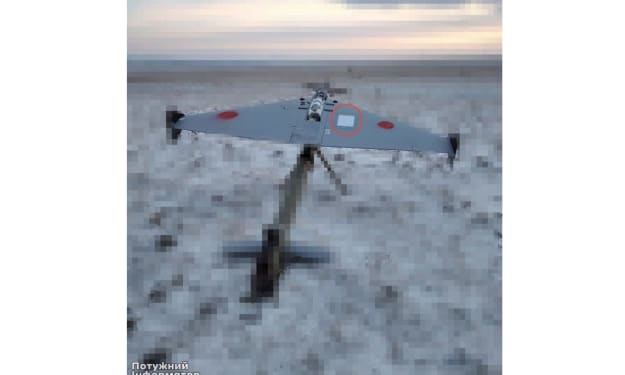
How to Stop Russia Using Starlink to Control Deadly Drones Against Ukraine
This morning I read that Musk’s SpaceX has applied for a licence to increase the number of Starlink satellites to 1 million. I reacted rather strongly. There’s already too much junk in orbit. When I’m at sea the night sky is already spoiled just after sundown by strings of Starlink satellites. Yes, I’m becoming old and curmudgeonly, but now Musk’s expanding constellation is helping Russia murder Ukrainian citizens.
By James Marinero4 days ago in Journal


Comments
There are no comments for this story
Be the first to respond and start the conversation.