
Texas Ban on Selling Smokable Cannabis Takes Effect March 31
New legislation restricts the sale of smokable cannabis in Texas, raising questions about enforcement, medical access, and the state’s evolving cannabis policy landscape.
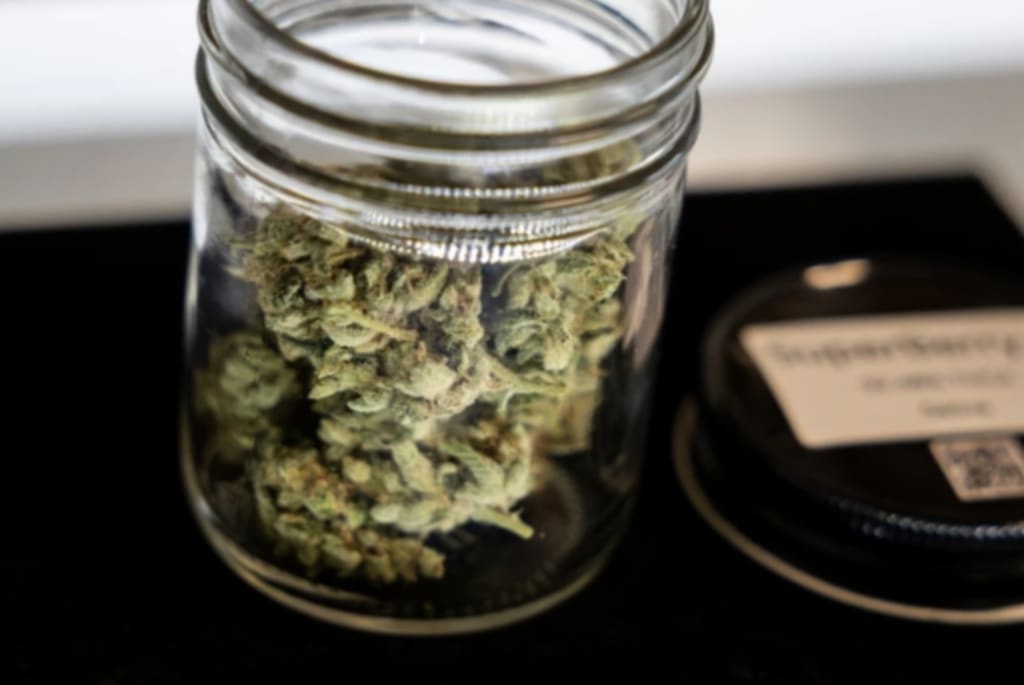
On March 31, 2026, a new law banning the sale of smokable cannabis officially takes effect in Texas, marking a significant shift in the state’s approach to marijuana regulation. The law, passed by the Texas Legislature last year, restricts the sale of flower products for recreational and medical use while still permitting certain low-THC products under the state’s medical cannabis framework.
Proponents of the ban argue it will reduce public health risks and prevent youth access, while critics warn that it may drive consumers to unregulated markets and complicate medical access for patients who rely on smokable forms for treatment.
Background: Texas’ Cannabis Landscape
Texas has long maintained conservative cannabis laws compared to other U.S. states. While medicinal use of low-THC cannabis has been legal for several years, the recreational market remains prohibited. The smokable cannabis ban represents an additional layer of regulation, aiming to curb what lawmakers describe as the risks associated with smoking and inhaling cannabis.
Under the new legislation:
Retailers may no longer sell smokable flower products.
Low-THC oils, tinctures, and capsules remain legal for qualifying medical patients.
Law enforcement and regulatory agencies are tasked with ensuring compliance.
Advocates for stricter cannabis control argue that the law addresses health concerns, citing studies linking smoking cannabis to lung irritation and other respiratory issues. However, opponents argue that the ban does not eliminate use but shifts it to unregulated black-market channels, potentially creating greater public safety risks.
Impact on Retailers and Dispensaries
The new ban has significant implications for cannabis retailers across Texas. Dispensaries that previously sold smokable flower are now required to either:
Cease sales of smokable products immediately, or
Transition their inventory to legal forms such as oils, edibles, or capsules.
Some dispensaries have expressed concern that the ban will negatively affect revenue, as smokable cannabis has historically been the most popular product among adult consumers. Retailers are now investing in compliance training, revising inventory systems, and re-educating staff to avoid potential fines or license suspensions.
In cities with active cannabis markets, dispensary owners are also grappling with how to educate customers about legal alternatives, ensuring patients understand which forms remain accessible under the state’s medical program.
Medical Access Concerns
Patients who rely on smokable cannabis for symptom relief have voiced concerns about the new restrictions. Conditions such as chronic pain, severe nausea, and muscle spasticity are often treated with inhaled cannabis due to its rapid onset of effects compared to oral medications.
Medical advocacy groups are warning that patients may face challenges obtaining effective treatment under the ban, particularly for conditions that require immediate relief. Some argue that low-THC smokable forms should remain accessible for patients with verified medical needs.
The Texas Department of State Health Services has stated that the ban applies to retail sales only, and patients already in possession of medical cannabis are not penalized. However, future access to flower products through legal channels will be severely restricted, potentially driving patients to unregulated sources.
Enforcement and Compliance
Enforcing the smokable cannabis ban presents challenges for Texas authorities. State regulators will conduct inspections of dispensaries and retail locations, and violations may result in fines, license suspension, or criminal charges.
Law enforcement agencies have also indicated that they will monitor both physical retail operations and online marketplaces, emphasizing that possession for personal use is still governed by existing laws, which vary depending on THC content and purpose.
Some critics worry that the enforcement focus may strain local law enforcement resources and disproportionately affect smaller dispensaries that lack sophisticated compliance systems.
Economic and Market Implications
The ban is expected to reshape the Texas cannabis market. Analysts predict that smokable flower sales will migrate to neighboring states with more permissive regulations, potentially leading to revenue loss for local dispensaries.
Conversely, the demand for legal alternatives such as oils, capsules, and edibles may increase, prompting manufacturers and retailers to expand product lines. Investors are closely monitoring how the shift affects pricing, availability, and consumer behavior.
The ban also has potential implications for state tax revenue. Cannabis sales generate significant income for regulatory oversight and public programs in states with established markets. Texas lawmakers will need to weigh the public health benefits of the ban against potential economic impacts.
Public Reaction and Debate
Public reaction to the smokable cannabis ban has been mixed. Advocates for the law emphasize its health and safety benefits, particularly regarding youth prevention and reducing exposure to smoke.
Opponents, including some patient groups and cannabis activists, argue that the law is overly restrictive, penalizes medical users, and fails to address the realities of cannabis consumption. Social media campaigns and advocacy groups have voiced concerns that the ban may inadvertently fuel black-market activity, undermining the state’s regulatory framework.
Several consumer surveys indicate that a majority of adult Texans favor expanded access to medical cannabis, but opinions are split on smokable forms specifically. The debate highlights the ongoing tension between public health priorities and patient rights in shaping cannabis policy.
Looking Ahead
As the ban takes effect on March 31, attention will shift to compliance, enforcement, and market adaptation. Key questions include:
How will dispensaries adjust inventory and product offerings?
Will patients seek alternative forms of cannabis or turn to unregulated sources?
How will the state balance public health priorities with medical access needs?
What long-term economic impacts will result from reduced smokable cannabis sales?
State officials and advocacy groups have indicated that they will closely monitor these developments and may propose future adjustments to the law based on observed outcomes.
Conclusion
The Texas smokable cannabis ban represents a major development in the state’s evolving cannabis policy landscape. While intended to address public health and safety concerns, it raises significant questions about medical access, market dynamics, and enforcement challenges.
As dispensaries, patients, and regulators adapt to the new legal environment, Texas will become a test case for how restrictive cannabis policies interact with public health priorities and consumer demand.
For now, March 31 marks a turning point in Texas cannabis regulation, and all eyes are on how the state, its residents, and the cannabis industry respond to the law in practice.
About the Creator
Yoan Iglev Reveals the Influence of Classical Art in Contemporary Murals
Public art has the ability to change how people experience a city. Large murals on walls can turn simple buildings into meaningful cultural spaces. One artist who has contributed to this form of art is Yoan Iglev, a Bulgarian painter known for creating monumental murals and artistic mosaics.
By Mark Walker6 days ago in Journal
Silken Chains
Silhouettes of the female form were given flesh and bone. Silken skin glistened under the spotlight. Dry ice rose around our Icons as they danced atop their podiums in the Square. Heralded for their beauty, their movements were slight, powerful, and sensual.
By Paul Stewart5 days ago in Fiction



Comments
There are no comments for this story
Be the first to respond and start the conversation.