
Russian Drone Attack on Bus Carrying Mine Workers in Ukraine Kills at Least 12
Civilian casualties highlight ongoing risks in conflict zones and raise humanitarian concerns
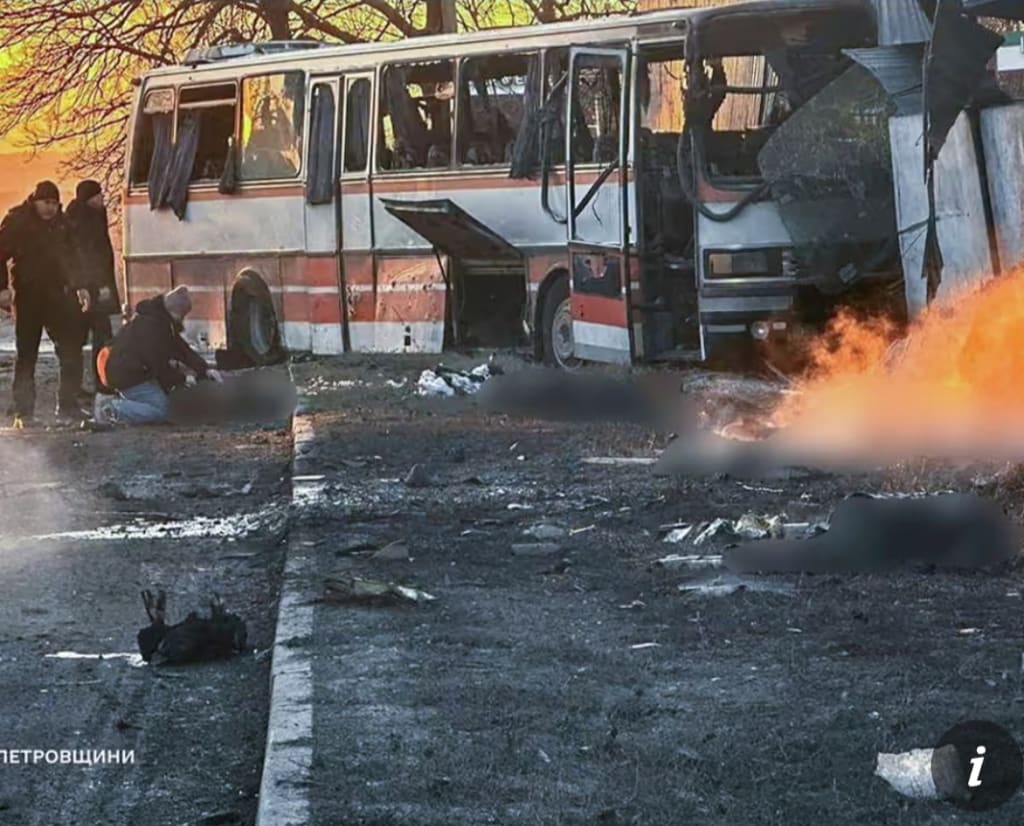
At least 12 people have reportedly been killed following a drone attack on a bus carrying mine workers in Ukraine, an incident that has intensified concerns about civilian safety amid the continuing conflict. The attack, attributed in early reports to Russian military drone activity, underscores the ongoing risks faced by civilians and industrial workers in regions affected by active hostilities.
As investigations continue and further details emerge, the tragedy has prompted renewed international attention toward the humanitarian cost of the conflict and the protection of civilian infrastructure.
What Is Known About the Attack
According to preliminary reports, the bus was transporting mine workers to or from their workplace when it was struck during a drone strike. Emergency services reportedly responded quickly, attempting to assist survivors and transport injured individuals to nearby medical facilities.
In fast-moving conflict environments, information often develops over time. Authorities typically focus on:
Confirming casualty numbers
Identifying victims
Securing the affected area
Investigating responsibility
The attack represents one of several incidents in which civilian or worker transport has been affected during the conflict.
Civilian Workers in Conflict Zones
The mining sector remains essential to many parts of Ukraine’s regional economy. Despite ongoing security risks, workers in industries such as mining, energy, and transport often continue operations to support national infrastructure and economic stability.
However, civilian workers face multiple risks, including:
Air or drone strikes near infrastructure
Damage to transport routes
Workplace disruption
Psychological trauma
International humanitarian law emphasizes the protection of civilians, though enforcement can be difficult during active conflict situations.
The Growing Role of Drone Warfare
Drone technology has become a major feature of modern conflicts. Unmanned aerial systems can be used for surveillance, reconnaissance, and targeted strikes.
Military analysts note that drones:
Allow long-distance strike capabilities
Reduce risk to military personnel operating them
Increase speed of operations
Present new challenges for civilian protection
However, critics argue that drone warfare can increase risks for civilian populations if infrastructure or transport routes are targeted or located near military objectives.
The Humanitarian Impact
Beyond the immediate loss of life, attacks on civilian transport and industrial workers often have deep social and community consequences.
Impacts may include:
Trauma among survivors and families
Economic disruption for local communities
Increased fear among workers
Long-term psychological effects
Humanitarian organizations often stress the importance of protecting essential civilian workers during conflicts.
International Reaction and Monitoring
Global organizations and foreign governments often closely monitor incidents involving civilian casualties. Such events can influence diplomatic discussions, sanctions debates, and humanitarian aid priorities.
International responses often focus on:
Calls for investigation
Humanitarian aid coordination
Protection of civilian infrastructure
Conflict de-escalation efforts
The Strategic Importance of Industrial Regions
Mining regions often hold strategic importance due to their role in energy and industrial supply chains. Disruptions to these sectors can affect national economies and international markets.
Industrial disruptions can lead to:
Reduced production capacity
Supply chain instability
Economic pressure on local populations
Increased security focus around industrial zones
Emergency Response Challenges
Emergency response teams in conflict regions often face major challenges, including damaged infrastructure, ongoing security risks, and resource shortages.
Emergency teams typically prioritize:
Rapid medical evacuation
Coordinating with hospitals
Supporting families of victims
Securing the incident site
Local medical systems can face significant pressure following mass casualty incidents.
The Broader Conflict Context
The ongoing conflict has resulted in both military and civilian casualties across multiple regions. Analysts continue to monitor how technological warfare methods, including drones and missile systems, are changing conflict dynamics.
The continued use of advanced technology in conflict raises new questions about:
Civilian safety
International warfare laws
Military targeting standards
Long-term humanitarian consequences
The Long-Term Human Cost
Conflicts often leave lasting scars on communities long after the immediate violence ends. Families who lose loved ones or experience trauma may face economic hardship, displacement, and long-term mental health challenges.
Humanitarian agencies often stress the importance of:
Post-conflict recovery planning
Psychological support services
Community rebuilding programs
Worker protection policies
Conclusion
The drone attack on a bus carrying mine workers in Ukraine, which reportedly killed at least 12 people, represents another tragic reminder of the human cost of modern warfare. As investigations continue, the focus will likely remain on civilian protection, accountability, and humanitarian response.
For communities dependent on industrial work, such attacks can have devastating ripple effects, impacting families, local economies, and regional stability. The incident also highlights the growing influence of drone warfare in modern conflicts and the ongoing global debate about protecting civilians in war zones.
As the conflict continues, international observers, humanitarian organizations, and policymakers face increasing pressure to address the risks facing civilians caught in conflict environments.
About the Creator
Keep reading
More stories from Aarif Lashari and writers in Journal and other communities.
UK Hospitality Firms Demand More Help With Business Rates Amid Questions Over Heathrow Discount
UK hospitality businesses are increasing pressure on the government to provide greater support with business rates, as debate grows over reported discounts linked to major infrastructure sites such as Heathrow Airport. Industry representatives argue that while large transport hubs may benefit from financial relief or tailored arrangements, small and medium hospitality businesses across the country continue to struggle under rising operating costs.
By Aarif Lashariabout 21 hours ago in Journal
Dream log #7
I want to keep up to date with these dream logs cause some of them are bizarre. The you get others that make no sense and some just stay with you for a long time. This is one of those dreams because it it all set in one place. It was set in an Odean Cinema that no longer exists but the layout reminds me of the theatre at my local arts centre because of the way the seats are stacked up and the way the darkness loomed.
By Chloe Gilholya day ago in Journal


Comments
There are no comments for this story
Be the first to respond and start the conversation.