
UK Hospitality Firms Demand More Help With Business Rates Amid Questions Over Heathrow Discount
Industry leaders call for fairer tax support as cost pressures continue to rise
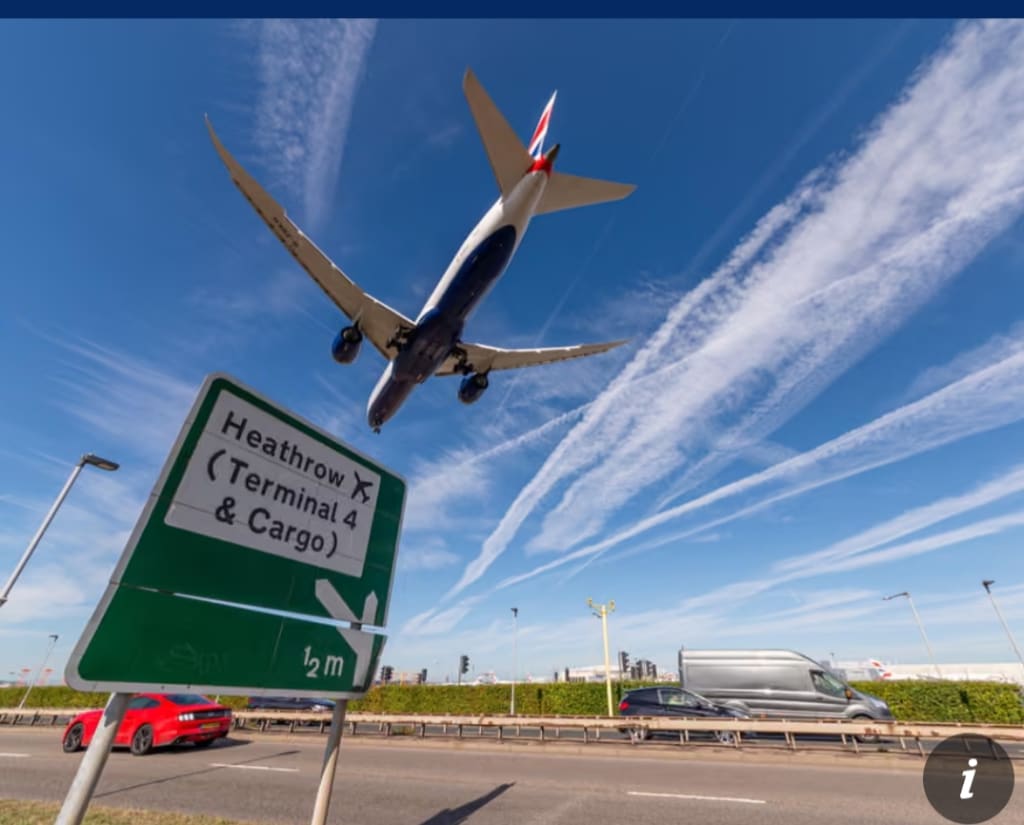
UK hospitality businesses are increasing pressure on the government to provide greater support with business rates, as debate grows over reported discounts linked to major infrastructure sites such as Heathrow Airport. Industry representatives argue that while large transport hubs may benefit from financial relief or tailored arrangements, small and medium hospitality businesses across the country continue to struggle under rising operating costs.
The issue has become a focal point in the broader debate about economic fairness, regional support, and the future sustainability of Britain’s hospitality sector.
Why Business Rates Matter to Hospitality
Business rates are one of the largest fixed costs facing hospitality companies. Unlike other expenses that fluctuate with demand, business rates must be paid regardless of how much revenue a business generates.
For hospitality firms, rising costs already include:
Energy bills
Staff wages
Food and supply costs
Rent and property maintenance
Insurance premiums
Many operators argue that high business rates create a financial burden that limits their ability to invest, expand, or even remain open.
The Heathrow Discount Debate
Questions have emerged over financial relief linked to major national infrastructure, particularly airports such as Heathrow. While large infrastructure sites often receive different financial arrangements due to their economic importance, hospitality leaders say this highlights inconsistencies in how support is distributed.
Critics argue that:
Small businesses face higher relative cost pressures
Local high street venues lack negotiation power
Regional economies depend heavily on hospitality employment
Supporters of infrastructure relief argue that airports generate large-scale economic benefits, including international trade, tourism, and job creation.
Hospitality Sector Still Recovering
The UK hospitality sector continues to recover from years of economic disruption. Pandemic shutdowns, supply chain instability, and changing consumer behaviour have left many businesses financially fragile.
Current challenges include:
Reduced consumer spending during cost-of-living pressures
Labour shortages across service roles
Increased operating costs across supply chains
Debt accumulated during previous economic crises
Industry groups warn that without additional support, more closures could occur, particularly among independent businesses.
Calls for Government Action
Hospitality trade organizations are urging the government to consider reforms such as:
Business rate reductions or freezes
Sector-specific tax relief programs
More flexible payment structures
Regional support for high street businesses
Some leaders argue that targeted relief could help preserve jobs and support local economic recovery.
The Economic Importance of Hospitality
The hospitality industry plays a major role in the UK economy. It supports millions of jobs across restaurants, hotels, pubs, and tourism-related services.
The sector contributes through:
Employment opportunities for young and part-time workers
Tourism revenue generation
Support for local supply chains
Community and social space creation
Economic analysts note that hospitality often acts as a key driver of local high street activity.
Balancing Public Finances and Business Support
The government faces the challenge of balancing public spending needs with industry support. Business rates contribute significant funding for local services such as councils, infrastructure maintenance, and public facilities.
Policymakers must consider:
National budget constraints
Local authority funding needs
Economic growth strategies
Fair distribution of tax relief
Economic experts often suggest that long-term reform may be more effective than short-term relief measures.
Regional Inequality Concerns
Hospitality leaders argue that smaller towns and regional areas may be hit hardest by business rate pressures. Major cities and transport hubs often benefit from larger economic activity and investment, while smaller high streets depend heavily on local businesses.
Concerns include:
High street decline in smaller communities
Reduced tourism services outside major cities
Job losses in regional hospitality sectors
Regional development advocates say fair support is critical for balanced national growth.
The Future of UK High Streets
The debate over business rates links to broader discussions about the future of UK high streets. Many town centres are undergoing transformation as retail shifts online and service-based businesses become more important.
Hospitality venues are increasingly seen as essential to maintaining vibrant town centres, providing:
Social gathering spaces
Cultural and community activities
Evening economy growth
Industry leaders argue that protecting hospitality businesses supports wider urban regeneration efforts.
What Happens Next
The coming months could see further discussions between government officials, trade bodies, and economic advisors. Potential outcomes may include:
Business rate reform proposals
Targeted support for vulnerable sectors
Review of infrastructure-related tax arrangements
Broader economic recovery planning
Industry leaders continue to call for long-term clarity so businesses can plan investment and staffing strategies.
Conclusion
The growing demand from UK hospitality firms for greater business rate support highlights the ongoing financial pressure facing the sector. As debate continues over relief measures for major infrastructure sites like Heathrow, smaller businesses are calling for what they see as fair and balanced economic treatment.
The hospitality industry remains a cornerstone of the UK economy, supporting employment, tourism, and community life. Ensuring its long-term sustainability will likely require careful policy decisions that balance government revenue needs with the survival of local businesses.
As policymakers consider potential reforms, the outcome could shape the future of British high streets and the hospitality sector for years to come
About the Creator
Keep reading
More stories from Aarif Lashari and writers in Journal and other communities.
Several Wounded in Attack on Bus Carrying Mineworkers in Dnipro
Several people were reportedly wounded following an attack on a bus carrying mineworkers in the southeastern Ukrainian city of Dnipro, drawing renewed attention to the dangers faced by civilian workers in areas affected by ongoing regional tensions and conflict. The incident has raised concerns about worker safety, infrastructure vulnerability, and the broader humanitarian impact of violence in industrial regions.
By Aarif Lashariabout 22 hours ago in Journal
The 2026 Report: Who Is Actually Moving the Needle for Karachi’s Economy?
If you are running a business in Karachi right now, you know the reality. The grid is unstable, the rupee is fluctuating, and the old ways of doing business—relying purely on local foot traffic—are fading. In 2026, the only real stability comes from foreign currency.
By Mahnoor Qureshia day ago in Journal


Comments
There are no comments for this story
Be the first to respond and start the conversation.