
Pretty Privilege: What is true in that concept?
More and more people are aware of the bias that Pretty Privilege represents, which raises questions

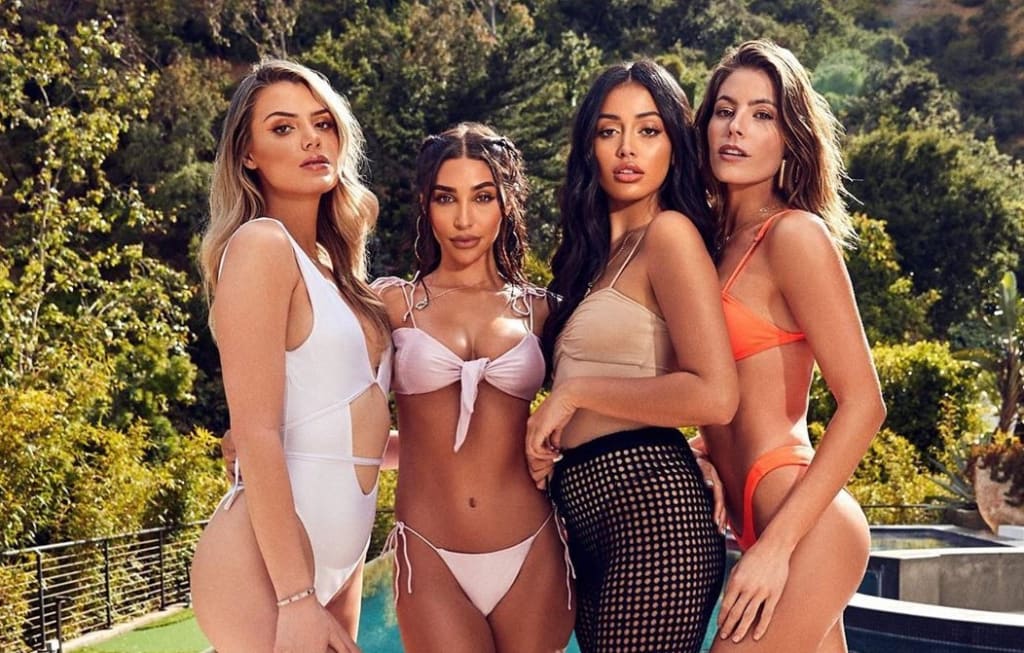
Pretty Privilege refers to the advantages that individuals deemed conventionally attractive experience in various aspects of life, including social interactions, romantic relationships, academic success, and employment opportunities. The term has gained traction recently, particularly on platforms like TikTok, where users share personal anecdotes under hashtags like #prettyprivilege, highlighting both the benefits and drawbacks associated with perceived attractiveness.
## Understanding Pretty Privilege
Pretty Privilege operates on the principle that individuals who fit societal beauty norms are often treated more favorably than those who do not. Attractive individuals tend to earn higher salaries, receive better job offers, and are perceived as more competent and intelligent. This bias is reinforced by psychological concepts such as the Halo Effect, where people attribute positive characteristics to those they find attractive, and the Horn Effect, which leads to negative assumptions about less attractive individuals.
### Social Media Influence
The rise of social media has amplified discussions surrounding Pretty Privilege. TikTok users have shared experiences of receiving free drinks, compliments, and other perks simply due to their looks, while others have noted feeling overlooked or disrespected when in the company of more attractive friends. This dynamic illustrates how beauty can shape social interactions and perceptions of worth, creating a stark contrast between those who benefit from Pretty Privilege and those who do not.
## Implications of Pretty Privilege
While Pretty Privilege can lead to tangible benefits, it also carries significant downsides. Individuals who are attractive may face objectification, pressure to maintain their appearance, and skepticism regarding their abilities and accomplishments. For instance, women who benefit from Pretty Privilege might struggle with the perception that their success is solely due to their looks rather than their skills or hard work. Furthermore, the pressure to conform to beauty standards can lead to mental health issues, as individuals feel compelled to invest time and resources into their appearance to remain competitive in social and professional spheres.
## The Darker Side of Pretty Privilege
Attractive individuals, especially women, often face unwanted attention, objectification, and even harassment due to their looks. This can include catcalling, inappropriate touching, and being treated as an object of possession rather than a person. Many beautiful women report being regularly grabbed or assaulted by strangers who feel entitled to their body.
Being attractive can lead to negative stereotyping, having people make assumptions about one's intelligence, personality, or life experiences. There is a perception that attractive people have had an easy life and have never faced adversity.
Paradoxically, being attractive can make it harder to form genuine friendships and relationships. People may be drawn to an attractive person's looks rather than their personality, making it difficult to trust others' motives. This can lead to feelings of isolation and a lack of authentic connections.
Many of the benefits associated with pretty privilege are transactional in nature, meaning they come with strings attached. Favors or opportunities given to attractive people are often rooted in an ulterior motive, such as gaining access to their attention. This creates an unequal power dynamic that can be exploitative.
When attractive individuals face harassment or assault, they may be blamed or questioned about their behavior or appearance. The assumption that attractive people should expect and accept unwanted attention is a harmful and unacceptable attitude.
##Final thoughts
Pretty Privilege is a complex and deeply ingrained societal issue that extends beyond mere aesthetics. While it can provide certain advantages, it also perpetuates unrealistic beauty standards and reinforces biases that affect individuals' self-worth and opportunities. As discussions around pretty privilege continue to evolve, it is crucial to recognize its implications and work towards a more inclusive society that values individuals for their character and contributions rather than their appearance.
About the Creator
Ninfa Galeano
Journalist. Content Creator. LGBT+ perspective 🏳️🌈
Reader insights
Nice work
Very well written. Keep up the good work!
Top insights
Easy to read and follow
Well-structured & engaging content
Eye opening
Niche topic & fresh perspectives
Keep reading
More stories from Ninfa Galeano and writers in Journal and other communities.
Toxic Positivity: a trend never to get involved
Toxic positivity is the belief that people should maintain a positive mindset no matter how dire or difficult a situation is. It promotes an unrealistic insistence on always appearing happy and dismissing negative emotions. Toxic positivity can make people feel that it is not okay to have feelings that aren't positive, putting pressure on individuals to pretend they are happy even if they are not.
By Ninfa Galeanoabout a year ago in Journal
~ Fired ~
— Ai Intrusion ~ Are you Next ~ Is Ai Evolution after your job? — Few workplaces haven't been affected. Ai is in supermarkets, at doctors' offices, and even monitoring farms. I just can't think of anything this machine is not getting into, can you? For instance: Education ~ Law and Tech jobs will one day have a major influence or be taken over by these inanimate machines, with accuracy and vigor. From mechanics' diagnoses to a wide variety of everyday jobs, including fast food workers, with this input having the ability to cut their unnecessary work hours. I'm certain all of us have been touched by this with our short stories and colorful headings, have you? Even comments are very questionable 'Non-Robot' insertions.
By Jay Kantor8 days ago in Journal
The Invisible Unicorns: Why Pakistan’s Best Software Houses Are Ghosts in the US Market
Pakistan is currently experiencing an IT export boom. The government claims we are on track for $5 Billion in exports. We have some of the most talented engineers in the world. We have software houses in Lahore and Karachi building complex AI architectures for Fortune 500 companies.
By Mahnoor Qureshi6 days ago in Journal


Comments
There are no comments for this story
Be the first to respond and start the conversation.