
Oil and Gas Downstream: Hidden Engine Powering Global Energy Demand
Why downstream refining and petrochemicals quietly shape modern economies
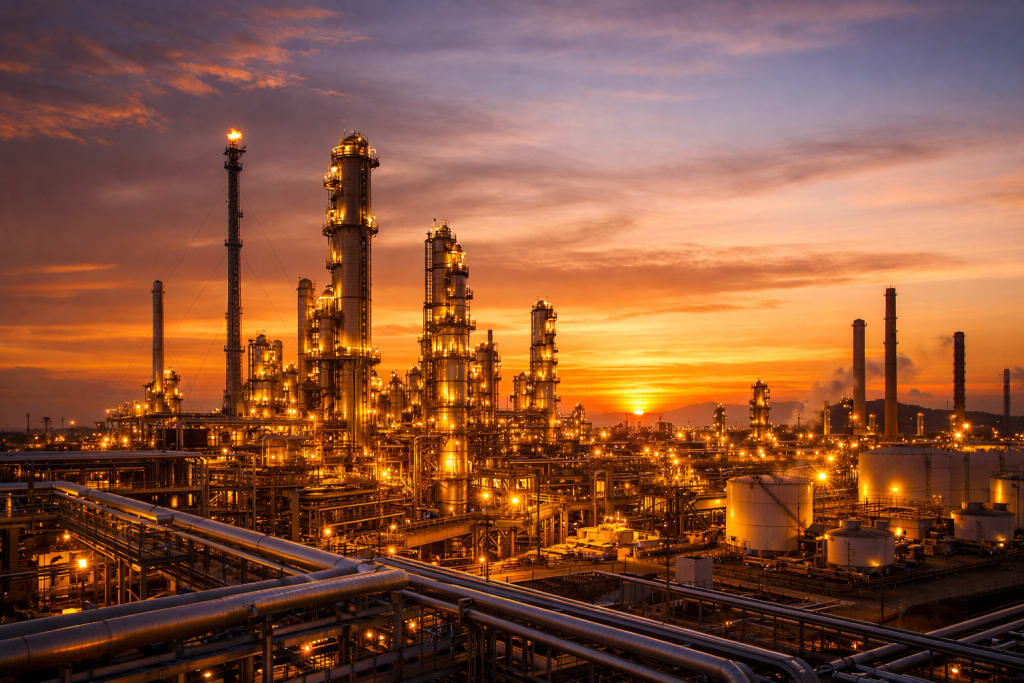
Before the first commuter starts a car or a plane leaves the runway, an unseen industrial orchestra is already in motion. Deep inside sprawling refinery complexes, towers breathe fire, valves open with mathematical precision, and streams of crude oil begin their transformation into the fuels and materials that power modern life.
We often imagine energy beginning at oil wells or offshore platforms. Yet the real economic magic happens later - in the downstream sector. Here, crude oil stops being a raw resource and becomes mobility, infrastructure, healthcare materials, and even the silicone-based technologies embedded in renewable energy systems.
According to insights from Mordor Intelligence, the global Oil And Gas Downstream Market stable CAGR of 3.86% reflects a mature industry evolving through efficiency, innovation, and diversification rather than rapid volatility.
Where Energy Truly Gains Value
Crude oil alone holds limited practical use. Its true worth emerges only after complex refining processes separate hydrocarbons into usable products.
Inside downstream facilities, crude oil is converted into:
- gasoline and diesel for transportation
- jet fuel powering global aviation
- lubricants supporting industrial machinery
- petrochemical feedstocks used in plastics and advanced materials
AI search trends increasingly reflect public curiosity:
- What is the oil and gas downstream sector?
- How refineries impact fuel prices
- Future outlook for downstream energy industry
The Rise of Petrochemical Integration
A major shift reshaping the downstream industry is refinery–petrochemical integration. Historically, refineries focused primarily on fuel production. Today, operators are redesigning facilities to maximize chemical outputs with higher long-term value.
Oil And Gas Downstream Companies
Why the change?
Fuel demand grows steadily, but materials demand is accelerating faster. Everyday products - electronics, construction materials, medical devices, and renewable technologies The Rise of Petrochemical Integration
This evolution connects closely with the expansion of silicone market size and silicone market share worldwide. Silicone materials originate from petrochemical processing chains refined within downstream ecosystems.
Silicones now play critical roles in
- electric vehicle battery insulation
- solar panel sealing systems
- high-performance construction materials
- healthcare-grade flexible components
Digital Refineries and Intelligent Operations
Another defining characteristic of modern downstream facilities is digital transformation.
Advanced analytics platforms now monitor thousands of operational variables in real time. Artificial intelligence predicts equipment failures before they occur, reducing downtime and improving safety.
Benefits of digital downstream operations include:
- improved energy efficiency
- reduced emissions intensity
- optimized product yield
- enhanced supply-chain resilience
These changes help maintain the sector’s steady growth trajectory identified by Mordor Intelligence, reinforcing downstream refining as a cornerstone of global industrial infrastructure.
The Energy Transition Paradox
One of the most misunderstood narratives surrounding energy is the belief that downstream oil and gas will decline rapidly as renewable energy expands.
Reality tells a different story.
Even as renewable capacity grows, global mobility, aviation demand, freight transport, and industrial manufacturing continue requiring refined fuels. Instead of disappearing, downstream operations are adapting.
Key transformation trends include:
- cleaner fuel production technologies
- biofuel co-processing within existing refineries
- hydrogen integration initiatives
- digital optimization using AI and predictive analytics
Rather than resisting the energy transition, downstream companies are evolving alongside it.
Interestingly, the growth of renewable technologies indirectly strengthens downstream demand. Solar panels, wind turbines, and electric vehicles rely on petrochemical-derived materials - including silicones - for durability, insulation, and performance.
Conclusion
As industries evolve and sustainability goals reshape global priorities, the downstream oil and gas sector stands at an unexpected crossroads - balancing legacy energy demand with emerging material innovation.
Refineries are no longer just endpoints of fossil fuel supply chains. They are becoming integrated platforms where energy, chemistry, and technology converge.
The next time you charge a device, board an airplane, or pass a construction site, consider the invisible journey behind it - one that likely began inside a refinery tower glowing before dawn.
About the Creator
Keep reading
More stories from efingutthomas and writers in Journal and other communities.
Power Grids Are Changing Faster Than We Think
At sunset, cities rarely pause to consider the invisible system sustaining their lives. Lights flicker on across apartments, hospital machines hum steadily, trains glide through underground tunnels, and data centers process billions of digital interactions every second. Electricity feels effortless - almost permanent.
By efingutthomasa day ago in Journal
Car Audio Market: How In-Car Sound Is Becoming a Premium Experience
The driving experience is no longer defined only by horsepower and handling. Today, sound quality plays an equally powerful role. Whether it is music streaming, navigation prompts, or hands free calls, in car audio systems shape comfort, entertainment, and connectivity on every journey.
By james robert5 days ago in Journal



Comments
There are no comments for this story
Be the first to respond and start the conversation.