
NASA Hauls Moon Rocket Off Launch Pad to Fix Another Launch-Delaying Malfunction
Engineers return the vehicle to the assembly building as lunar mission timeline shifts once again
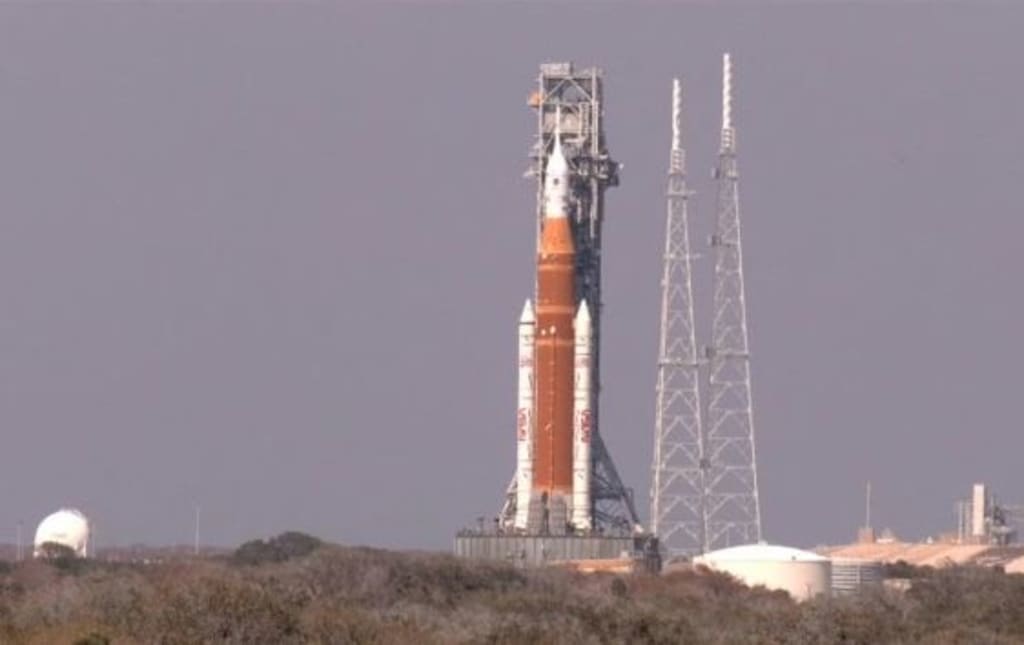
Space exploration rarely follows a perfect schedule, and the latest lunar mission preparations are proving that once again. NASA has rolled its massive moon rocket off the launch pad after discovering a malfunction that could delay liftoff. The move, though disappointing for space fans eagerly awaiting launch, highlights the agency’s priority: safety and reliability over speed.
The rocket had been in its final stages of launch readiness when engineers detected a technical issue significant enough to halt countdown preparations. Rather than attempting complex repairs at the pad, NASA made the decision to return the vehicle to its assembly facility, where teams can work in a controlled environment with full access to critical components.
🌕 Why the Moon Rocket Matters
The moon rocket is central to NASA’s strategy to return humans to the lunar surface and eventually travel to Mars. Built to carry heavy payloads beyond low Earth orbit, the rocket will support test flights, cargo missions, and future crewed journeys.
Unlike earlier lunar missions that were largely one-time achievements, today’s program focuses on sustainability. NASA aims to establish long-term infrastructure around the Moon, including orbiting stations, surface habitats, and scientific research platforms.
Because the rocket sits at the heart of that plan, every technical detail must be verified. Even a minor malfunction can ripple across multiple missions, affecting schedules for spacecraft, landers, and partner agencies.
🔧 What Went Wrong
While NASA initially released limited technical specifics, early diagnostics indicated a hardware issue connected to launch readiness procedures. These systems are essential for coordinating fueling, communications, and flight control — meaning any irregularity requires thorough investigation.
Repairing such problems on the launch pad is often impractical. The pad environment exposes hardware to weather, restricts access, and limits the ability to dismantle components. By returning the rocket indoors, engineers can perform deeper inspections, replace parts, and run repeated tests.
This process may take weeks rather than days, but it reduces the risk of unexpected failures during launch.
⏱️ The Impact on the Launch Timeline
NASA has not committed to a specific new launch date, emphasizing that the timeline will depend on the complexity of the fix and the results of follow-up testing. Each repair cycle must be verified through simulations and rehearsals before the rocket can roll back out.
The delay also affects related missions. Lunar exploration today involves multiple vehicles operating in sequence — rockets, crew capsules, landers, and support infrastructure. When one element shifts, others must adjust.
However, NASA leaders have repeatedly said that flexibility is built into the program. Long-term exploration goals matter more than hitting a single launch window.
🧠 Why Delays Are Common in Spaceflight
Rocket launches operate at the edge of engineering limits. Extreme temperatures, powerful vibrations, and complex software interactions mean that unexpected issues are inevitable.
Rollbacks from the launch pad have happened throughout spaceflight history. Weather conditions, fueling anomalies, sensor failures, and mechanical wear can all force teams to pause.
Many experts argue that delays are a sign of rigorous testing rather than failure. Discovering problems before launch prevents mission loss and protects future astronauts.
In that sense, every fix contributes to reliability.
🤝 The Role of Partnerships
Modern lunar missions rely heavily on collaboration. Commercial companies are building landers, logistics systems, and supporting technologies, while international partners contribute scientific instruments and infrastructure.
When NASA adjusts a launch schedule, these partners must recalibrate their own timelines. Despite the complexity, this cooperative model allows faster innovation and distributes risk across multiple organizations.
The rollback underscores how interconnected space exploration has become — one rocket influences an entire ecosystem.
📡 What Happens Next
With the rocket back inside the assembly building, engineers will conduct a detailed review. This typically includes:
Inspecting the faulty component
Running diagnostic simulations
Replacing or upgrading hardware
Performing integrated system tests
Repeating launch rehearsals
Only after teams confirm the issue is fully resolved will the rocket return to the launch pad. NASA is expected to carry out additional countdown practice runs to ensure the malfunction does not reappear.
A new launch window will be announced once confidence in the vehicle’s readiness is restored.
🌌 The Bigger Picture: A Long Road Back to the Moon
Despite the delay, the broader mission remains intact. Interest in the Moon has surged in recent years, driven by scientific discoveries, resource potential, and the Moon’s role as a stepping stone to Mars.
The rocket represents more than a single flight — it symbolizes a shift toward sustained exploration. Future missions aim to test new technologies, study lunar ice deposits, and develop systems that can support human life beyond Earth.
Setbacks are part of that journey.
✍️ Final Thoughts
Rolling the moon rocket off the launch pad may feel like a step backward, but in space exploration, caution often equals progress. NASA’s decision reflects decades of experience showing that rushing complex missions can lead to costly failures.
Every inspection, repair, and rehearsal strengthens the foundation for future crewed flights. While the timeline may move, the destination remains the same: a permanent human presence beyond Earth.
For space enthusiasts, patience is becoming part of the adventure. Each delay brings new data, improved systems, and greater confidence that when the rocket finally lifts off, it will carry humanity one step closer to its next giant leap.




Comments
There are no comments for this story
Be the first to respond and start the conversation.