
Iran's Main Oil and Gas Production and Infrastructure
Production Power, Strategic Geography, and the Future of Iran’s Hydrocarbon Industry
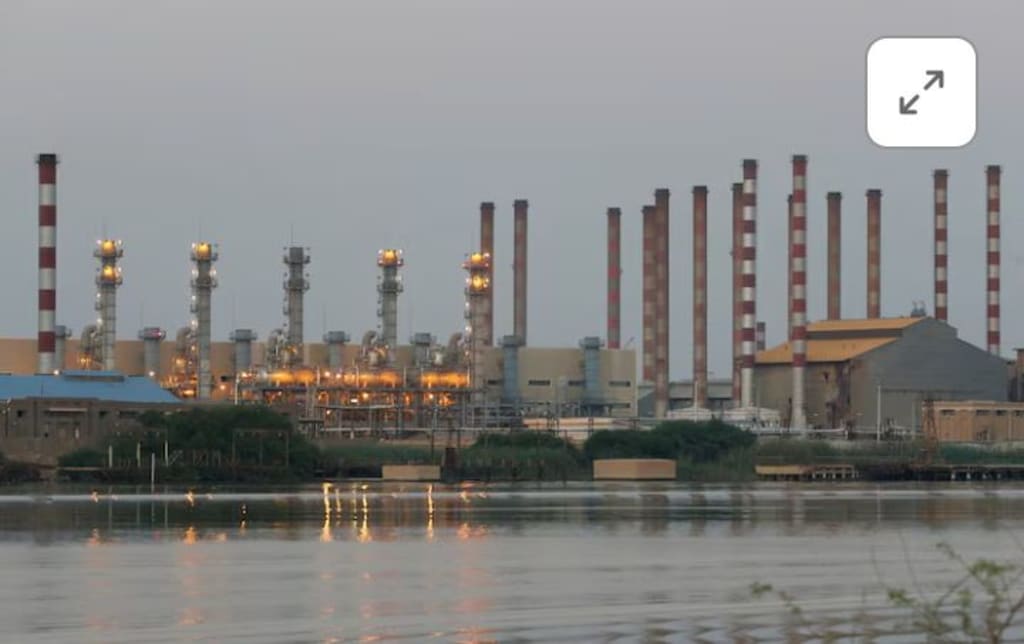
When people think of global energy powerhouses, Iran consistently ranks near the top. Sitting on some of the largest oil and natural gas reserves in the world, Iran’s energy infrastructure forms the backbone of its economy, shapes its foreign policy, and influences global oil markets. Despite sanctions, political tensions, and infrastructure challenges, Iran continues to operate one of the most complex and strategically important oil and gas systems in the Middle East.
Let’s take a deeper look into Iran’s main oil and gas production and the infrastructure that keeps this energy giant running.
🌍 Iran’s Position in Global Energy
Iran is among the top oil-producing nations in the world and a key member of Organization of the Petroleum Exporting Countries (OPEC). The country produces roughly 3 million barrels of crude oil per day, along with significant volumes of condensates and natural gas liquids.
Even more impressive is Iran’s natural gas potential. Iran holds the world’s second-largest proven natural gas reserves, trailing only Russia. This vast energy wealth gives Tehran enormous strategic leverage, even when international sanctions limit its export capabilities.
Energy revenue remains central to Iran’s government budget, industrial growth, and domestic energy supply.
🛢️ Major Oil Fields: The Heart of Production
Iran’s oil production is largely concentrated in the southwest, particularly in Khuzestan Province near the Iraqi border. This region has been the center of Iranian oil production for more than a century.
Some of the most important oil fields include:
Ahvaz Oil Field
One of Iran’s largest and oldest producing oil fields, Ahvaz has historically contributed a major share of the country’s crude output. Its extensive reservoirs make it a cornerstone of Iran’s oil infrastructure.
Marun Oil Field
Another supergiant field, Marun continues to provide substantial daily production. Advanced recovery techniques are often applied here to maintain pressure and maximize output.
Karanj Oil Field
Though smaller than Ahvaz and Marun, Karanj remains an important contributor to Iran’s production network.
Together, these fields form the backbone of Iran’s onshore oil capacity.
🔥 Natural Gas: Iran’s Strategic Energy Asset
While oil often grabs headlines, natural gas is arguably Iran’s most valuable long-term energy resource.
At the center of Iran’s gas dominance lies the massive:
South Pars Gas Field
South Pars is the world’s largest natural gas field, shared between Iran and Qatar (where it is known as the North Field). This offshore reservoir contains enormous quantities of gas and condensate.
South Pars alone accounts for the majority of Iran’s natural gas production. Multiple development phases have been completed over the years, each adding processing units and expanding output capacity.
Unlike some gas-rich nations, Iran consumes most of its natural gas domestically. The gas fuels power plants, petrochemical facilities, heating systems, and heavy industries across the country.
Other notable gas fields include:
Kangan Gas Field
Nar Gas Field
These onshore fields supplement South Pars and help maintain steady domestic supply.
🏭 Refining Infrastructure: Turning Crude into Fuel
Oil production is only part of the story. Iran also maintains a large refining network that processes crude into gasoline, diesel, jet fuel, and petrochemical feedstocks.
One of the most iconic facilities in the region is the:
Abadan Refinery
Established in the early 20th century, Abadan is one of the oldest refineries in the Middle East. Though it has faced wartime damage and modernization challenges, it remains a critical asset in Iran’s downstream sector.
Other major refining centers operate in cities such as:
Isfahan
Bandar Abbas
Tehran
Arak
Together, these facilities give Iran a refining capacity of over 2 million barrels per day, allowing it to meet domestic fuel demand and export refined products when possible.
🚢 Export Terminals and Strategic Geography
Iran’s location gives it both opportunity and vulnerability. The country sits along the Persian Gulf and near the strategically vital Strait of Hormuz — one of the world’s most important oil shipping lanes.
The most important export hub is:
Kharg Island
Kharg Island handles the majority of Iran’s crude oil exports. Massive storage tanks and loading terminals enable tankers to transport oil to Asian and other global markets.
To reduce dependence on the Strait of Hormuz, Iran developed the:
Jask Oil Terminal
Located on the Gulf of Oman, Jask allows exports to bypass Hormuz, offering a strategic alternative in times of regional tension.
Iran also operates additional terminals on islands such as Sirri and Lavan, strengthening export flexibility.
🛣️ Pipelines: The Hidden Network Beneath the Surface
Behind the scenes, an extensive network of pipelines connects oil fields to refineries and export terminals. These pipelines stretch thousands of kilometers across mountains, deserts, and coastal regions.
Iran has invested heavily in expanding trunk pipelines to ensure energy security and improve transport efficiency. This infrastructure is vital for moving crude oil, natural gas, and refined products throughout the country.
Without this network, even the largest oil fields would be unable to support large-scale production and export.
⚠️ Challenges Facing Iran’s Energy Infrastructure
Despite its strengths, Iran’s oil and gas sector faces significant hurdles:
International sanctions limit foreign investment and advanced technology access.
Aging infrastructure requires continuous upgrades and maintenance.
Geopolitical tensions increase risks to export facilities and offshore installations.
High domestic consumption reduces export volumes, especially in natural gas.
Still, Iran continues to pursue modernization projects, expand refinery capacity, and develop new pipeline routes to strengthen resilience.
🔮 The Future of Iran’s Oil and Gas Sector
Iran’s energy infrastructure remains central to its national strategy. As global energy demand evolves and geopolitical landscapes shift, Iran’s ability to maintain and modernize its oil and gas systems will determine its long-term economic stability.
With massive reserves, strategic geography, and decades of technical experience, Iran’s oil and gas production and infrastructure will continue to shape regional energy dynamics for years to come.
Whether viewed as an energy superpower under pressure or a resilient hydrocarbon giant adapting to global challenges, one thing is certain: Iran’s oil and gas backbone remains one of the most significant in the world.
If you'd like, I can also create another 900-word blog focusing specifically on Iran’s offshore infrastructure, sanctions impact, or future LNG ambitions.


Comments
There are no comments for this story
Be the first to respond and start the conversation.