
How to Source Obsolete Honeywell Spare Parts Easily
How to Source Obsolete Honeywell Spare Parts Easily
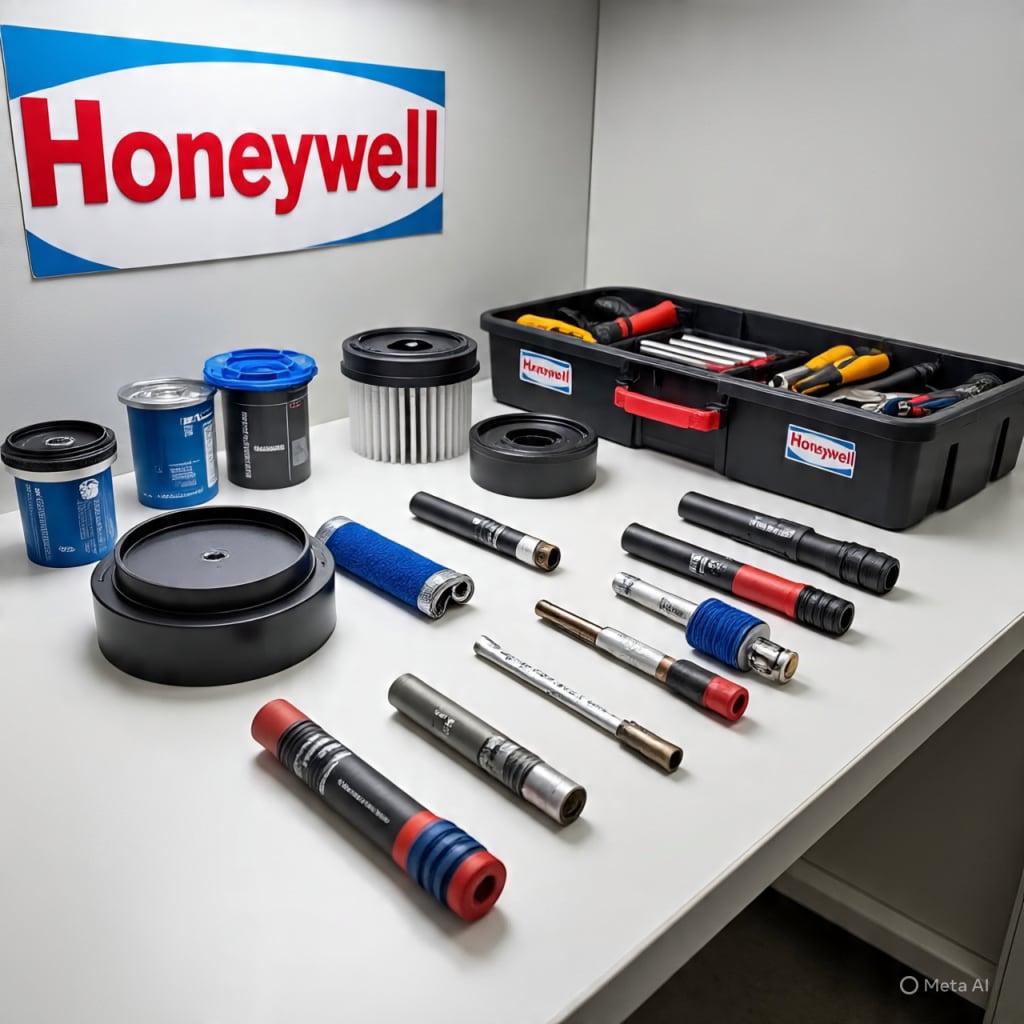
Maintenance engineers working with industrial control systems know the frustration all too well: a critical Honeywell component fails, production halts, and the replacement part was discontinued years ago. This scenario plays out in facilities worldwide, where aging but reliable control systems depend on spare parts that manufacturers no longer produce. The challenge isn't just finding these obsolete components—it's sourcing authentic parts quickly enough to avoid extended downtime that can cost thousands of dollars per hour. When control systems go offline, entire production lines stall, delivery schedules slip, and operational efficiency plummets. The pressure to restore functionality intensifies with each passing hour, making reliable sourcing strategies essential for any maintenance operation. This article explores practical solutions for locating obsolete Honeywell spare parts, from working with authorized distributors to tapping into surplus markets and specialized locator services. You'll discover actionable approaches to overcome sourcing obstacles, verify part authenticity, and implement inventory management practices that prevent future emergencies.
The Importance of Reliable Honeywell Spare Parts
Industrial control systems represent significant capital investments that often remain in service for decades, making the quality of replacement components critical to their continued operation. Genuine Honeywell spare parts maintain the precise specifications and tolerances that engineers designed into these systems, ensuring consistent performance across temperature variations, electrical loads, and environmental conditions. When facilities use authentic components, they preserve the reliability characteristics that made Honeywell systems industry standards in the first place.
The temptation to substitute non-OEM alternatives introduces substantial risks that extend beyond simple compatibility issues. Counterfeit or generic parts may physically fit into existing systems but often lack the quality control standards that genuine components undergo. These substitutes can fail prematurely under operational stress, cause cascading failures in connected equipment, or create intermittent malfunctions that prove difficult to diagnose. Even worse, using unauthorized parts may void warranties on other system components and create liability concerns if equipment failures lead to safety incidents or production losses.
Downtime costs in industrial facilities typically range from hundreds to thousands of dollars per minute, making rapid restoration of control system functionality an economic imperative. Reliable spare parts eliminate the troubleshooting complications that arise when inferior components introduce new variables into established systems. Maintenance teams can confidently install genuine Honeywell parts knowing they'll restore full functionality without requiring extensive testing or adjustment periods. This predictability transforms emergency repairs from extended crises into manageable maintenance events, protecting both production schedules and bottom-line profitability.
Common Challenges in Sourcing Obsolete Honeywell Parts
The discontinuation of Honeywell components creates a supply chain gap that grows wider as systems age beyond their expected service life. Manufacturers typically maintain production and stock availability for ten to fifteen years after a product line's introduction, but many industrial facilities operate control systems that have exceeded these timeframes by decades. Once parts enter obsolete status, traditional purchasing channels dry up, leaving maintenance teams searching through fragmented markets where availability becomes unpredictable. The challenge intensifies for specialized modules and proprietary components that lack direct modern equivalents, forcing engineers to either locate exact replacements or undertake costly system upgrades.
Lead times for rare obsolete components can stretch from weeks to months, a timeframe incompatible with urgent repair situations. Suppliers who do maintain obsolete inventory often operate on consignment or locate parts through extended networks, adding days or weeks to procurement processes. This uncertainty makes planning nearly impossible when a component fails unexpectedly. Maintenance teams face difficult decisions between waiting for authentic parts while production remains offline or accepting questionable alternatives that may solve immediate problems but create long-term reliability concerns.
Pricing for obsolete parts follows unpredictable patterns driven by scarcity rather than original manufacturing costs. Components that once sold for modest amounts can command premium prices when remaining stock dwindles, particularly for parts with high failure rates or those used across multiple system generations. Budget constraints collide with operational necessity, forcing facilities to weigh the cost of expensive obsolete parts against the expense of extended downtime or premature system replacement investments.
Top Solutions for Finding Obsolete Honeywell Spare Parts
Working with Authorized Honeywell Distributors
Authorized Honeywell distributors maintain access to legacy inventory networks and manufacturer resources that independent suppliers cannot match. These OEM-certified partners often retain stock of discontinued components specifically for customers maintaining older systems, and they can access Honeywell's internal databases to identify remaining inventory across global distribution centers. Working with authorized distributors guarantees authenticity and provides warranty protection that eliminates concerns about counterfeit components entering critical control systems.
Verifying distributor authenticity requires checking Honeywell's official partner directory and confirming current certification status directly through manufacturer channels. Legitimate distributors provide documentation tracing parts back to Honeywell manufacturing facilities, including certificates of conformance and batch tracking information. Request references from other industrial facilities and examine how long the distributor has maintained their authorized status, as established partnerships typically indicate reliable service and genuine inventory access.
Exploring Surplus Parts Markets
Surplus markets emerge when facilities decommission control systems, creating opportunities to acquire authentic Honeywell components at reduced costs. Industrial equipment brokers, liquidation specialists, and facilities undergoing system upgrades often sell unused or refurbished parts that remain in excellent condition despite their obsolete status. These sources can provide immediate availability for components that authorized channels no longer stock, bridging critical gaps in emergency repair situations.
Quality verification becomes essential when purchasing surplus inventory, requiring visual inspection for physical damage, corrosion, or signs of previous repairs. Request documentation showing the component's operational history, storage conditions, and any testing performed before sale. Reputable surplus dealers offer return policies and functionality guarantees, conducting electrical testing and calibration checks before shipping. Establish testing protocols in your facility to verify compatibility and performance before installing surplus components in production systems.
Specialized Parts Locator Services
Parts locator services operate extensive networks spanning global suppliers, brokers, and industrial facilities with excess inventory. These specialists search databases containing millions of components, contacting sources that maintain obsolete stock or can fabricate equivalent replacements. Locator services handle the time-consuming research that would otherwise require maintenance teams to contact dozens of potential suppliers individually, condensing weeks of searching into days or hours.
A manufacturing facility in the chemical processing industry faced a critical shutdown when a discontinued Honeywell controller module failed. Their maintenance team contacted three parts locators simultaneously, providing detailed specifications and photos. Within 48 hours, one locator identified a tested unit from a recently decommissioned facility in Europe, arranged international shipping, and delivered the component before the end of the week. The rapid response prevented an extended shutdown that would have cost the facility over $200,000 in lost production, demonstrating how specialized locator networks provide value that justifies their service fees.
Best Practices for Maintaining Control System Parts Inventory
Proactive parts management transforms reactive emergency purchasing into strategic inventory planning that minimizes downtime risks. Start by conducting a comprehensive audit of your control systems to identify components with high failure rates, long lead times, or obsolete status. Prioritize stocking critical modules that would cause complete system shutdowns if they failed, calculating appropriate inventory levels based on historical failure data and the cost of carrying spare stock versus downtime expenses. Document every component's manufacturer part numbers, system locations, and cross-reference information to streamline future ordering processes.
Modern inventory tracking systems provide visibility into stock levels, component age, and usage patterns that manual spreadsheets cannot match. Implement barcode or RFID tagging for all spare parts, linking each component to maintenance records that track installation dates, failure modes, and replacement history. Set automated reorder alerts for items approaching minimum stock thresholds, and establish regular review cycles to identify slow-moving inventory that ties up capital unnecessarily. Digital systems also facilitate sharing inventory information across multiple facilities, enabling internal transfers that reduce overall spare parts investment while maintaining availability.
Diversifying supplier relationships creates redundancy that protects against single-source failures when urgent needs arise. Cultivate connections with at least three different supplier types: authorized distributors for warranty-backed authentic parts, reputable surplus dealers for cost-effective alternatives, and specialized locators for rare components. Suppliers like Apter Power, which specialize in automation and industrial spare parts, can serve as valuable resources in your network for sourcing discontinued control system components. Maintain regular communication with these partners even when you're not actively purchasing, sharing upcoming maintenance schedules and anticipated part needs. Strong supplier relationships often result in preferential treatment during shortages, access to unlisted inventory, and flexible payment terms that ease budget constraints during unexpected repair situations.
Strategic Sourcing for Long-Term Success
Sourcing obsolete Honeywell spare parts requires a multifaceted approach that combines authorized distributor relationships, surplus market exploration, and specialized locator services. Each sourcing method offers distinct advantages—authorized distributors provide authenticity guarantees and warranty protection, surplus markets deliver cost-effective alternatives with immediate availability, and parts locators access global networks that uncover components traditional channels cannot find. Success depends on knowing when to leverage each option based on urgency, budget constraints, and criticality of the failed component. Reliable spare parts remain fundamental to maintaining control system performance and avoiding the costly consequences of extended downtime or compromised system integrity through inferior substitutes. Facilities that implement proactive inventory management strategies position themselves to handle component failures as routine maintenance events rather than operational crises. Building diverse supplier relationships, maintaining strategic stock levels of critical components, and documenting system configurations create resilience against the inevitable obsolescence challenges that accompany long-lived industrial control systems. The investment in proper parts sourcing and inventory practices pays dividends through sustained operational efficiency, reduced emergency procurement costs, and the confidence that comes from knowing your facility can quickly recover from unexpected component failures.
About the Creator
~ Fired ~
— Ai Intrusion ~ Are you Next ~ Is Ai Evolution after your job? — Few workplaces haven't been affected. Ai is in supermarkets, at doctors' offices, and even monitoring farms. I just can't think of anything this machine is not getting into, can you? For instance: Education ~ Law and Tech jobs will one day have a major influence or be taken over by these inanimate machines, with accuracy and vigor. From mechanics' diagnoses to a wide variety of everyday jobs, including fast food workers, with this input having the ability to cut their unnecessary work hours. I'm certain all of us have been touched by this with our short stories and colorful headings, have you? Even comments are very questionable 'Non-Robot' insertions.
By Jay Kantor2 days ago in Journal
Leadership Lessons from Global Figures: Adriana Kostov’s Perspective
Leadership is often defined by moments of challenge rather than comfort. In finance, governance, and public life, effective leaders are those who demonstrate resilience, clarity, and the ability to make decisions under pressure. Adriana Kostov, Australia’s first Regional Director of the global Hedge Fund Association, offers a perspective on leadership that draws from both professional experience and observation of influential global figures.
By Financial Services Mediaa day ago in Journal


Comments
There are no comments for this story
Be the first to respond and start the conversation.