
Foreign Exchange Rates in Pakistan for Today, February 23, 2026
From the US Dollar to the British Pound and Gulf currencies, today’s exchange rates reveal how global economic forces continue to shape Pakistan’s financial landscape.

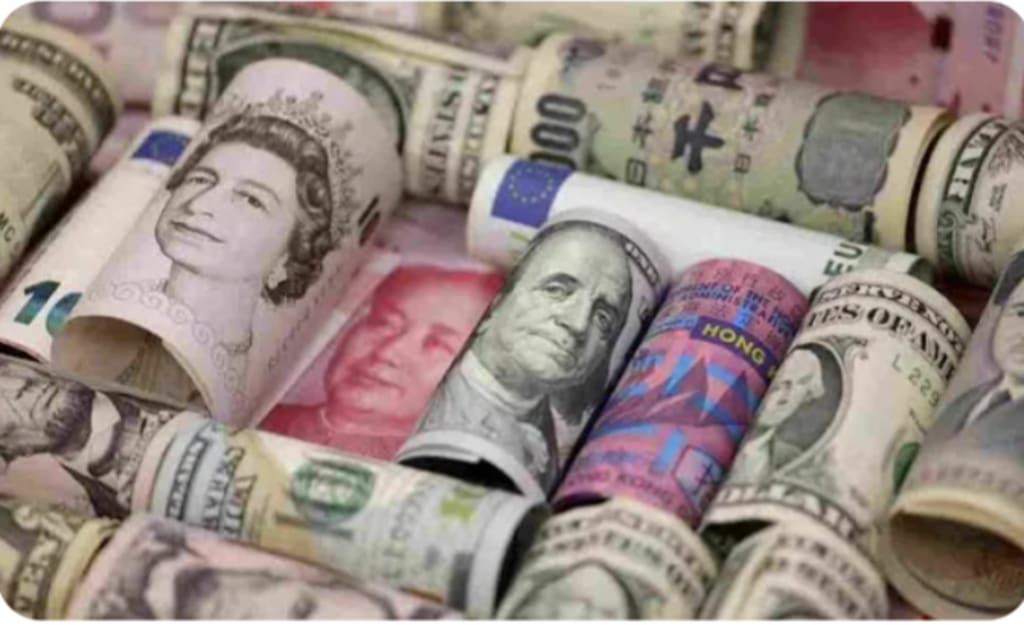
Foreign exchange rates are not just figures displayed at currency counters — they directly affect everyday life. From the cost of imported goods and fuel to overseas travel, online shopping, and remittances from abroad, exchange rates influence almost every corner of the economy. On February 23, 2026, the currency market in Pakistan reflected a mix of stability and caution, with the Pakistani Rupee (PKR) holding its ground against major international currencies while remaining sensitive to global developments.
As businesses, travelers, and investors monitor daily changes, today’s exchange rates offer valuable insight into the country’s current economic position and future direction.
Today’s Currency Snapshot
In the open market, exchange rates showed moderate movement compared to recent sessions. Major currencies such as the US Dollar (USD), British Pound (GBP), Euro (EUR), and Gulf currencies including the UAE Dirham (AED) and Saudi Riyal (SAR) remained within a familiar trading range.
The US Dollar continued to trade close to the 280–282 PKR range, while the British Pound remained one of the strongest foreign currencies against the rupee. The Euro also showed resilience, reflecting developments in European markets. Gulf currencies, which are widely used due to remittances from Middle Eastern countries, stayed relatively stable, offering some reassurance to families dependent on overseas income.
This overall pattern suggests that while the rupee is not strengthening significantly, it is avoiding sharp declines — a sign of cautious balance in the foreign exchange market.
Why Exchange Rates Matter So Much
Foreign exchange rates act as a mirror of economic health. When the rupee weakens, imports become more expensive, which can lead to higher prices for fuel, food, electronics, and raw materials. On the other hand, a weaker rupee can benefit exporters and freelancers who earn in foreign currencies, as their earnings convert into higher PKR amounts.
For travelers, exchange rates determine how far their money will go abroad. A stronger dollar or pound means higher travel costs, while stable Gulf currency rates help pilgrims and workers traveling to Saudi Arabia or the UAE plan their expenses more accurately.
In short, exchange rates affect everyone — from large corporations to ordinary households.
Key Factors Driving Today’s Exchange Rates
Several local and global factors shape the foreign exchange market on a daily basis:
Global Economic Conditions
International currencies are heavily influenced by interest rate decisions, inflation data, and geopolitical developments. Policies from major economies such as the United States and Europe directly impact the value of the dollar and euro, which in turn affects the rupee.
Trade Balance
Pakistan imports more than it exports, creating constant demand for foreign currency. Payments for oil, machinery, and essential goods increase pressure on the rupee, especially when export earnings or foreign reserves are limited.
Remittances from Overseas Pakistanis
Remittances play a vital role in stabilizing the currency market. Millions of Pakistanis working abroad send money home regularly, increasing foreign exchange inflows and supporting the rupee. Any change in employment conditions in Gulf countries or Europe can influence these inflows.
Foreign Investment and Market Confidence
Foreign investors look closely at political stability, economic reforms, and market confidence. Increased foreign investment strengthens the rupee, while uncertainty can lead to capital outflows and exchange rate pressure.
What Today’s Rates Mean for Different Groups
For Businesses and Importers
Companies that rely on imported raw materials or finished goods face higher costs when the rupee weakens. This often leads to increased prices for consumers and reduced profit margins for businesses.
For Freelancers and Exporters
Freelancers paid in USD, GBP, or EUR benefit from favorable exchange rates. Each rise in foreign currency value means higher rupee income, making international work more attractive.
For Travelers
Tourists and students planning trips abroad need to convert PKR into foreign currencies. Higher exchange rates mean larger travel budgets are required, especially for destinations in Europe or North America.
For Families Receiving Remittances
A strong dollar or pound brings more rupees into households receiving money from abroad, helping them manage rising living costs and contribute to local spending.
Stability vs. Volatility
While today’s exchange rates appear relatively stable, currency markets are known for sudden changes. Political news, economic data releases, or international conflicts can shift investor sentiment quickly.
Central bank policies also play a key role. Interest rate adjustments and currency management strategies influence market confidence and liquidity. Stability in the foreign exchange market is essential for long-term economic planning and business growth.
Experts suggest that as long as remittances remain steady and imports are carefully managed, extreme volatility can be avoided. However, any global financial shock or domestic uncertainty could alter the trend rapidly.
The Bigger Economic Picture
Foreign exchange rates are closely tied to inflation and purchasing power. A weaker rupee increases the cost of imported goods, which can raise inflation levels. This affects food prices, fuel rates, and transportation costs, ultimately impacting household budgets.
At the same time, export sectors such as textiles and IT services can benefit from competitive pricing in global markets. This balance between inflation pressure and export advantage makes currency management a critical challenge for policymakers.
The foreign exchange market is therefore not just about money changing hands — it is about maintaining economic stability and protecting citizens from rising costs.
What Lies Ahead?
Predicting exchange rates is never simple. Analysts believe that if global conditions remain uncertain and oil prices fluctuate, the rupee may continue trading within a narrow band rather than showing sharp recovery or decline.
Key indicators to watch in the coming days include:
Global interest rate announcements
International oil prices
Remittance trends
Export performance
Political and economic stability
Any major shift in these areas can reshape the foreign exchange market quickly.
Final Thoughts
Foreign exchange rates in Pakistan on February 23, 2026 present a picture of cautious stability in a complex global environment. The rupee remains under pressure but shows resilience against major currencies such as the US Dollar, British Pound, and Euro.
For businesses, travelers, freelancers, and families alike, understanding these rates helps in making informed financial decisions. Currency values are more than just numbers — they represent confidence, economic direction, and opportunity.
As Pakistan navigates global economic challenges, the foreign exchange market will remain a key indicator of financial health. Staying informed and prepared is the best strategy in a world where currency values can change overnight.
About the Creator
Sajida Sikandar
Hi, I’m Sajida Sikandar, a passionate blogger with 3 years of experience in crafting engaging and insightful content. Join me as I share my thoughts, stories, and ideas on a variety of topics that matter to you.
Keep reading
More stories from Sajida Sikandar and writers in Journal and other communities.
Retirement Delays of U.S. Electric Generating Capacity May Continue in 2026
The U.S. electricity system is facing a notable trend: the planned retirement of older power plants — especially coal and even some gas units — is being delayed as uncertainties in energy markets, regulatory pressures, and grid reliability concerns mount. What was once expected to be a wave of closures of older generating capacity has slowed, and that slowdown may extend well into 2026.
By Sajida Sikandarabout 2 hours ago in Journal




Comments
There are no comments for this story
Be the first to respond and start the conversation.