
Do Dermatologists Recommend Filtered Shower Heads?
filtered shower heads

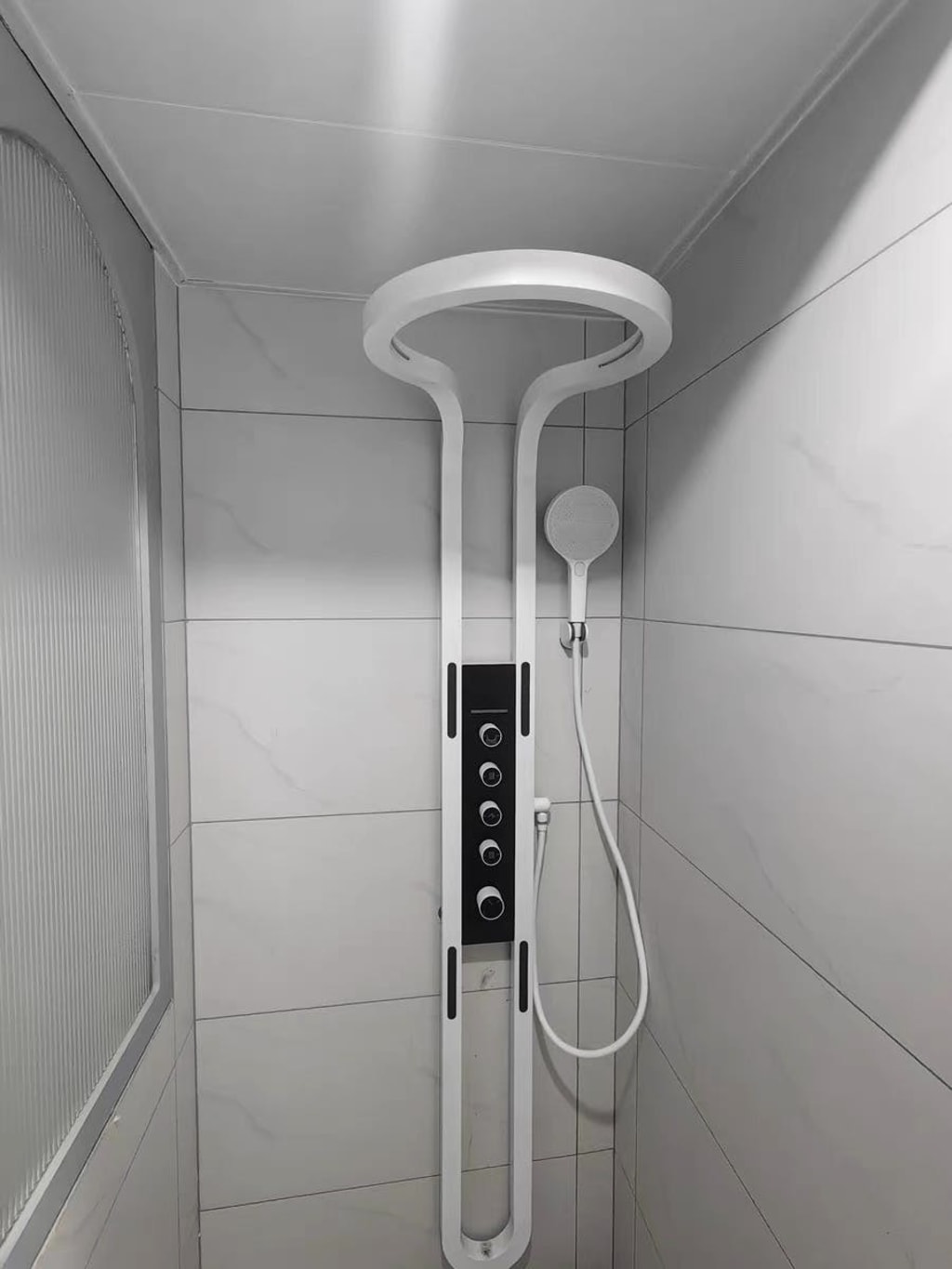
If you’ve ever wondered whether your shower water affects your skin, you’re not alone. Many people ask: Do dermatologists actually recommend filtered shower heads? The short answer is yes—many skin experts do suggest using them, especially if you have sensitive skin, dryness, or conditions like eczema. Before selecting a shower, search for various top rated filtered shower heads and what makes them stand out.
Why Chlorine in Shower Water Worries Dermatologists
Most tap water contains chlorine. Cities add it to kill bacteria, but it’s harsh on skin and hair. Chlorine strips away natural oils, leaving skin dry and itchy. For people with eczema or psoriasis, this can trigger flare-ups. Dermatologists often see patients whose skin improves after switching to filtered shower heads. These devices reduce chlorine exposure, reducing irritation and fewer dry patches.
It’s Not Just Chlorine—Other Contaminants Matter Too
Shower water can carry more than chlorine. Heavy metals like lead, sediment, and even bacteria sometimes flow through pipes. These particles settle on your skin and scalp, clogging pores or causing rashes. A good shower filter tackles these contaminants. Look for models with multi-stage filtration. They trap more impurities, giving you cleaner water that’s gentler on your body.
How Filtered Shower Heads Work for Healthier Skin
Filtered shower heads attach directly to your existing shower setup. Water passes through a built-in filter that removes chemicals and debris. The result? Softer water that’s less likely to irritate. Dermatologists highlight this as a simple upgrade for better skin hydration. When your skin retains moisture, it looks plumper and feels smoother. Filtered water helps skincare products absorb better without competing with chlorine residue. Filters don’t last forever. All use replacement Cartridge for Filtered Shower Heads every 3-6 months, depending on usage.
Hair Health Gets a Boost Too
Chlorine doesn’t just bother skin—it wrecks hair. It fades color-treated hair, dries out curls, and makes strands brittle. Filtered water prevents this damage. Users often notice that their hair feels softer and shinier after a few weeks. If you’ve been battling frizz or breakage, a shower filter might be the fix. Bonus: It helps sulfate-free shampoos lather better since hard water minerals won’t interfere.
What About a Filtered Rainfall Shower Head?
Love the feel of a luxurious, drenching shower? A filtered rainfall shower head combines that spa-like experience with skin-friendly filtration. These wider heads distribute water evenly, and the built-in filter works silently in the background. They’re ideal for anyone wanting both comfort and cleaner water. Just check the flow rate—some models use water-saving tech to keep pressure strong without wasting resources.
Maintenance Is Easier Than You Think
Upkeep is minimal, aside from changing the filter cartridge. Rinse the shower head weekly to prevent mineral buildup. If you live in an area with hard water, this step keeps the nozzles clear. Most filters are compatible with standard shower arms, so renters can use them, too. Just pack it up when you move!
If skin or hair issues bother you, a filtered shower head is worth trying. Dermatologists recommend them for cutting chlorine exposure and protecting your skin barrier. Options like a filtered rainfall shower head add luxury without sacrificing health benefits. Just remember to stay on top of filter changes. Cleaner water leads to happier skin, and that’s something everyone can appreciate.
About the Creator
Mandeep Singh
A Technical Content Strategist at Fix My Home Guide.
Keep reading
More stories from Mandeep Singh and writers in Journal and other communities.
Are Dental Implants Worth the Money?
When it comes to replacing missing teeth, various options are available, from dentures to bridges, but one treatment that has gained considerable popularity in recent years is dental implants. Dental implants are a permanent and reliable solution for individuals who have lost teeth due to injury, decay, or other reasons. However, many people wonder: Are dental implants worth the money?
By Mandeep Singh10 months ago in Journal
~ Fired ~
— Ai Intrusion ~ Are you Next ~ Is Ai Evolution after your job? — Few workplaces haven't been affected. Ai is in supermarkets, at doctors' offices, and even monitoring farms. I just can't think of anything this machine is not getting into, can you? For instance: Education ~ Law and Tech jobs will one day have a major influence or be taken over by these inanimate machines, with accuracy and vigor. From mechanics' diagnoses to a wide variety of everyday jobs, including fast food workers, with this input having the ability to cut their unnecessary work hours. I'm certain all of us have been touched by this with our short stories and colorful headings, have you? Even comments are very questionable 'Non-Robot' insertions.
By Jay Kantor7 days ago in Journal
The Invisible Unicorns: Why Pakistan’s Best Software Houses Are Ghosts in the US Market
Pakistan is currently experiencing an IT export boom. The government claims we are on track for $5 Billion in exports. We have some of the most talented engineers in the world. We have software houses in Lahore and Karachi building complex AI architectures for Fortune 500 companies.
By Mahnoor Qureshi5 days ago in Journal



Comments (1)
What About Medical Evidence? There’s no large-scale clinical trial showing that filtered shower heads improve skin health for most people. Filter makers sometimes cite studies showing chlorine may irritate skin, but that’s a far cry from proving filtered showerheads produce clinical improvements. What Filtered Showerheads Don’t Tell You About Biofilm and Mycobacterium 1. Filters Can Become Biofilm Breeding Grounds Filters trap contaminants (chlorine, sediment, metals) — but also trap organic matter and microbes. Inside a filter housing: Moisture stays trapped. Warmth from shower water creates an ideal bacterial incubator. Flow slows, allowing bacteria time to adhere and colonize surfaces. Key problem: Over time, a filter can become a perfect biofilm habitat. 2. Mycobacterium Loves Biofilm Nontuberculous mycobacteria (NTM) — e.g. Mycobacterium avium complex (MAC) — are extremely tough bacteria found in water systems. They: Form biofilms inside plumbing, showerheads, and filters. Resist chlorine and many disinfectants. Break off and become aerosolized when you shower — meaning you inhale them into your lungs. 2018 University of Colorado Study: Showed up to 20% of showerheads in tested U.S. homes harbored NTM in biofilms. Higher risk in certain regions with municipal chlorine usage. 3. Changing the Filter ≠ Sterilizing the Housing Many filtered showerheads are sealed units. The filter cartridge might be replaceable. But the housing itself often stays moist, with hidden biofilm that cannot be scrubbed clean. Biofilm on interior surfaces survives filter changes and continues seeding bacteria downstream. 4. Filter Certifications Ignore Microbial Growth Standards like NSF/ANSI 177 or 42/53 only test: Chlorine reduction Metal or chemical removal Taste and odor improvement They do NOT test: Long-term bacterial accumulation Biofilm formation inside the device Mycobacterial presence or aerosolization risk NSF explicitly states that filters certified for aesthetic effects are not designed to remove bacteria. 5. No Filter Stops Bacteria 100% Even filters advertised as “bacteria-reducing”: Often rely on mechanical micron ratings (e.g. “5-micron filter”). NTM can be 0.2–0.6 microns wide — small enough to slip through many filter membranes. Or they use activated carbon, which doesn’t block bacteria at all and may fuel bacterial growth by trapping organic nutrients. 6. Only Mechanical Cleaning Removes Biofilm Research confirms: You must physically open, scrub, and dry a showerhead or housing to disrupt biofilm. No amount of water flushing or filter replacement reliably removes biofilm once established.