
Why Overthinking Is Quietly Sabotaging Your Life
How endless analysis steals energy, confidence, and opportunities

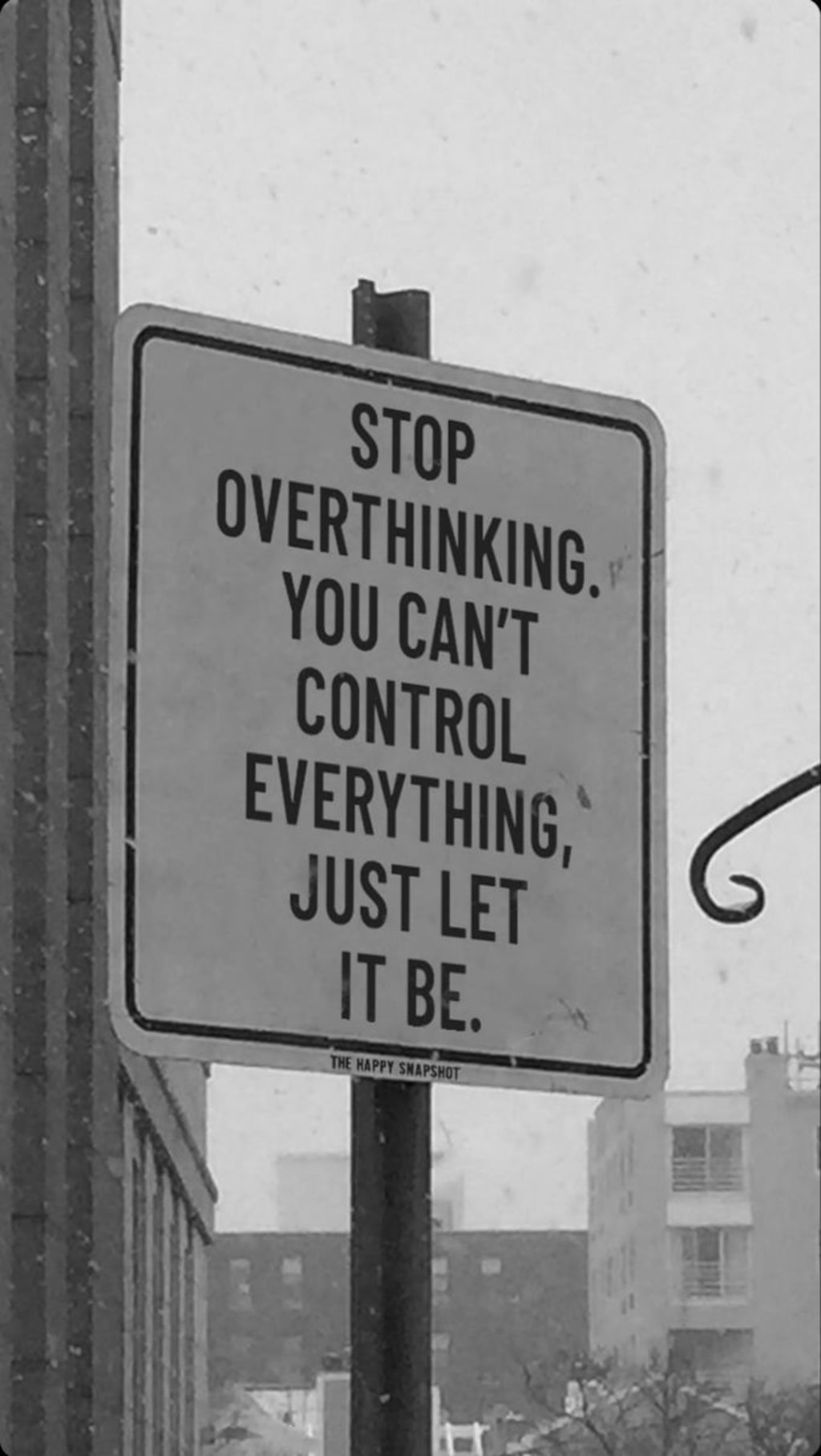
Overthinking is one of the most underrated traps in modern life. Unlike obvious obstacles like deadlines or external pressures, overthinking is invisible. It lives inside your mind, quietly spinning thoughts into spirals of doubt, anxiety, and hesitation. You might not notice it until you realize opportunities have passed or decisions have become paralyzing.
At its core, overthinking is a fear-based habit. You overanalyze because you want certainty, control, or perfection. You want to make the “right” decision, avoid mistakes, or predict outcomes before they happen. The problem is that life rarely works that way. Waiting for perfect clarity is a recipe for inaction.
The more you overthink, the less energy you have to act. Your brain runs on mental loops, exhausting cognitive resources on questions that cannot be answered perfectly. Small choices grow into mountains. Simple conversations become exercises in anxiety. Decisions that could take minutes stretch into hours, days, or weeks.
Ironically, overthinking often produces the opposite of the intended result. Instead of making better decisions, it increases the likelihood of hesitation, missed opportunities, and self-doubt. You begin to question every step you take, every word you speak, every goal you pursue. That doubt erodes confidence and momentum.
Overthinking also distorts perception. You begin to imagine consequences far worse than reality. You inflate risks and minimize benefits. You rehearse negative scenarios endlessly, as if your mind’s imagination is more accurate than real life. The more vivid the imagined problems, the more immobilized you feel.
Another hidden cost of overthinking is stress. Your body reacts to imagined threats just like real ones. Heart rate rises, muscles tense, and sleep can suffer. Over time, this constant low-grade stress undermines emotional resilience and can affect physical health.
Breaking the cycle requires awareness. Step one is noticing when you’re stuck in thought loops. Catching yourself before spirals deepen allows you to intervene. Step two is action. Often, taking even a small step forward provides clarity. Action disrupts rumination and creates feedback. You learn from reality, not just imagination.
Another strategy is setting limits on decision time. Give yourself deadlines, even for small tasks. Commit to acting within a specific window instead of analyzing endlessly. Limit information overload. More data often fuels overthinking rather than helping. Simplify the inputs and focus on essentials.
Mindfulness practices can help too. Meditation, journaling, or focused breathing teach your brain that thoughts are just thoughts — not commands or prophecies. You learn to observe without obsessing, which reduces mental friction.
It’s also essential to accept imperfection. Decisions are rarely final, and mistakes are rarely catastrophic. Overthinking often arises from a fear of being wrong. But life rewards action more than endless deliberation. You can adjust and course-correct. Few errors are permanent.
Overthinking can’t be eliminated completely — the mind will always analyze. But you can reduce its control. You can act with intention, even when uncertainty exists. You can make decisions without waiting for every answer. You can prioritize progress over perfection.
The paradox is clear: the less you overthink, the better your decisions become. Freedom comes from action, not analysis. Confidence comes from doing, not imagining. Growth comes from experience, not endless planning.
Every time you catch yourself overthinking and choose action instead, you reclaim time, energy, and control. You step out of mental paralysis and into life.
Overthinking may feel safe, but it’s quietly holding you back. Your opportunities, your confidence, and your clarity all suffer while your mind spins. The antidote is simple, though not always easy: awareness, action, and acceptance. Start today. Decide one thing. Move one step forward. Your mind will follow your lead.
And suddenly, the world isn’t as complicated as your thoughts made it feel.
About the Creator
Why Authentic Connections Matter More Than Attraction In Early Dating
Dating as early as it is, tends to start with physical attraction or initial chemistry but long lasting relationships are based on something far greater namely authentic connection. Although attraction can create an interest, it does not mean that the emotional compatibility, trust, and long-term satisfaction can occur. Single people in the locality, who are simply interested in surface value, are likely to miss some significant features like style of communication, emotional maturity, and common values. True contact is based on sincerity, empathy and comfort. These deeper aspects should be given a priority at younger stages so that the person can develop meaningful relationships on the basis of substance as opposed to temporary excitement which will make him more likely to be happy and emotionally stable in the long term.
By Olivia Smith3 days ago in Humans




Comments
There are no comments for this story
Be the first to respond and start the conversation.