
The Quiet Power of Lies
How lying reshapes reality — starting with ourselves

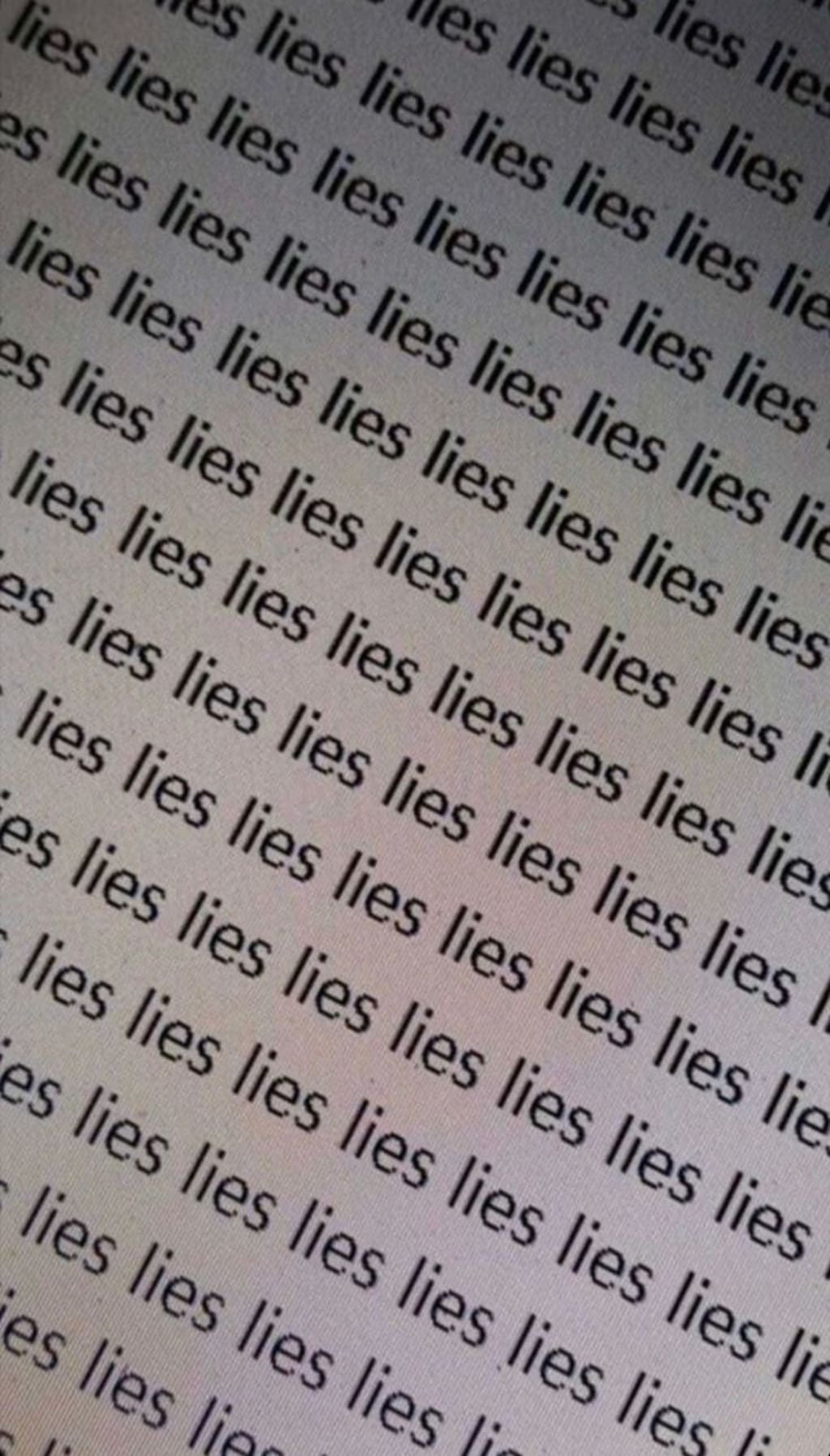
Lies aren’t always loud. They don’t always look like deception or manipulation. Most lies enter our lives quietly, disguised as convenience, protection, or necessity. They slip into conversations, habits, and thoughts so smoothly that we stop noticing them.
And that’s what makes them powerful.
Lying isn’t just about false statements. It’s about distortion — bending reality just enough to make it easier to live with. Sometimes we lie to others. More often, we lie to ourselves.
Those self-directed lies are the most dangerous.
People often think lying is about intent — good or bad. But many lies aren’t born from malice. They come from fear. Fear of conflict. Fear of rejection. Fear of consequences. Fear of facing uncomfortable truths.
So we soften reality.
We omit details.
We avoid honesty “just this once.”
And slowly, those small adjustments become patterns.
Lying starts to feel normal when it serves a purpose. Avoiding an argument. Protecting an image. Keeping peace. Preserving control. The lie works — at least in the moment. That immediate relief reinforces the behavior.
But lies don’t disappear once spoken. They linger.
They create tension between what is true and what is presented. And holding that tension requires energy. Awareness. Memory. Maintenance. Over time, the mind grows tired of tracking reality versus narrative.
That’s when lying stops being something you do — and starts becoming something you live.
One of the most common lies people tell themselves is, “It’s not that serious.” This lie minimizes discomfort, dissatisfaction, and misalignment. It convinces you to stay where you are, to tolerate what drains you, to ignore signals that something isn’t right.
Another common lie is, “I’ll deal with it later.” Later becomes a placeholder for discomfort you don’t feel ready to face. But unresolved truths don’t wait politely. They build pressure.
Lying to yourself also shows up as false optimism. Telling yourself everything is fine when it isn’t. Pretending you’re okay with things you quietly resent. Acting indifferent to protect your ego.
These lies create distance from your own emotions. And emotional disconnection doesn’t feel dramatic — it feels numb.
Lies told to others work similarly. At first, they smooth interactions. They avoid awkwardness. They protect reputations. But every lie creates a fracture in trust — even if the other person never discovers it.
Trust isn’t just about honesty with others. It’s about honesty within yourself.
When you lie repeatedly, you weaken your internal compass. You stop knowing where you stand. You lose clarity about your values. You begin responding to situations based on what’s easiest instead of what’s true.
That internal confusion often shows up as anxiety.
Anxiety thrives on inconsistency. When your words, actions, and thoughts don’t align, the nervous system stays alert. Something feels off, even if you can’t name it.
Another subtle effect of lying is identity erosion. When you present different versions of yourself in different situations, you start losing track of who you actually are. You become adaptable — but disconnected.
Eventually, the effort of maintaining appearances becomes heavier than the truth itself.
But honesty feels risky. Truth can change relationships. It can create conflict. It can expose vulnerability. That’s why people cling to lies — because truth feels unpredictable.
Yet lies don’t remove consequences. They delay them.
Truth, on the other hand, has a strange quality: it simplifies. It might hurt upfront, but it reduces complexity long-term. You don’t have to remember what you said. You don’t have to perform. You don’t have to protect a version of reality that isn’t real.
Honesty creates internal coherence.
That doesn’t mean brutal honesty without care. Truth doesn’t require cruelty. It requires clarity and responsibility. You can be honest without being harmful. You can be truthful without oversharing. The goal isn’t confession — it’s alignment.
One of the hardest truths people avoid is admitting what they want. Or what they no longer want. Or what they’re afraid to lose. These truths challenge comfort and familiarity.
But lies keep you stuck in situations that slowly drain you.
Living truthfully doesn’t mean life becomes easier. It means life becomes clearer. Decisions feel grounded. Boundaries make sense. Relationships become more authentic — or they reveal where alignment no longer exists.
And yes, some lies are told to protect. But long-term protection through dishonesty often backfires. People sense inconsistency even when they don’t know details. Trust weakens in subtle ways.
Truth builds resilience. Lies build fragility.
The more honest you are, the fewer explanations you need. The fewer masks you wear. The less energy you spend maintaining illusions.
Honesty isn’t about being perfect. Everyone lies at times. What matters is awareness — noticing when lies appear, why they appear, and what they’re protecting you from.
Often, lies point directly to fear.
And fear, once acknowledged, loses some of its power.
Truth doesn’t demand perfection. It asks for courage — the courage to face reality without distortion.
Because in the end, lies don’t just change how others see you.
They change how you experience your life.
And clarity — even when uncomfortable — is always more freeing than illusion.
About the Creator
At My Wits’ End
Life is about taking out the trash and calling it trash because you have every reason to. It wasn't meant to be linear, they say. But the times you tried to make it straight led to problems, and you didn’t have the tools to put any of it to use. You don't put your right shoes on the right feet; you put the left shoes on the left feet. The grey hardened slab will trip you up anyway.
By Caitlin Charlton2 days ago in Humans
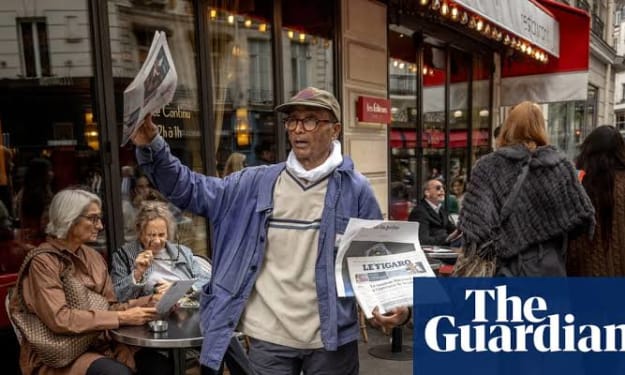
Ali Akbar, Who’s Sold Newspapers on the Streets of Paris for 50 Years, Is Now a Knight
For half a century, Ali Akbar has been a familiar figure on the bustling sidewalks of Paris, calling out headlines and handing newspapers to commuters rushing through metro entrances and café-lined boulevards. Known for his warm smile and unwavering routine, Akbar has spent most of his life behind a modest newspaper stand, becoming part of the city’s daily rhythm. Now, at the age of 72, his quiet dedication has earned him one of France’s highest civilian honors: knighthood in the National Order of Merit.
By Fiaz Ahmed about 20 hours ago in Humans
'Till Death We Do Art
There would be nothing divine in this world without art. Nature may surpass the divine to all intents and purposes, but like everything it absorbs and is absorbed by, it remains here, stuck on the surface of this world, ever-present, physically bound to the universe.
By Avocado Nunzella BSc (Psych) -- M.A.P 4 days ago in Art


Comments
There are no comments for this story
Be the first to respond and start the conversation.