
The Nipah Virus: A Deadly Threat to Global Health
Transmission and Spread
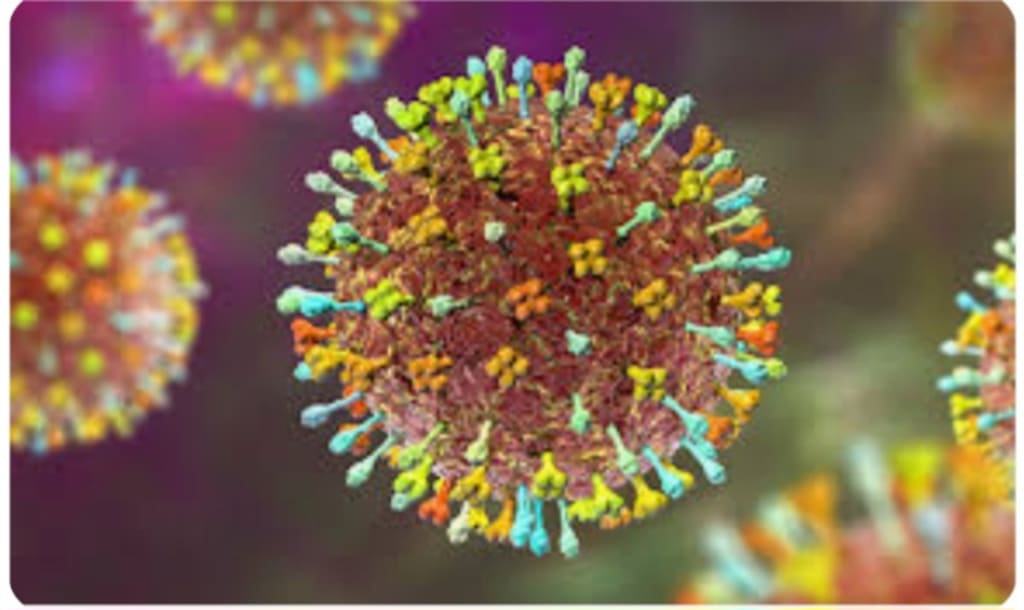
The Nipah virus (NiV) is an emerging zoonotic virus that has raised serious public health concerns due to its high fatality rate and potential for rapid transmission. Discovered in 1998 in Malaysia, the virus has since caused multiple outbreaks in South Asia, particularly in countries like India and Bangladesh. While the number of cases has been relatively low compared to other global health threats, the virus's ability to cause severe illness and death has put it on the radar of global health organizations.
What Is the Nipah Virus?
Nipah virus is primarily transmitted from animals to humans, and fruit bats are known to be its natural hosts. These bats shed the virus in their saliva, urine, or feces, which can contaminate food or water sources. Pigs, who often interact with humans, can also become infected, serving as an intermediary host. When humans come into contact with infected animals, particularly through direct exposure to bodily fluids or consumption of contaminated food, they can contract the virus.
The virus can also spread between humans, especially in close-contact situations, such as within households or healthcare settings. This human-to-human transmission has made the disease particularly concerning, as outbreaks often occur in densely populated regions.
Symptoms and Diagnosis
The symptoms of Nipah virus infection usually begin to appear 5 to 14 days after exposure. The disease can start with a fever, headache, and muscle pain, followed by drowsiness and nausea. As the infection progresses, it can lead to encephalitis (inflammation of the brain), which causes confusion, seizures, and even coma in severe cases. The virus has a high fatality rate, with some outbreaks reporting up to 75% mortality.
Diagnosing Nipah virus is challenging due to the overlap in symptoms with other viral infections like the flu or Japanese encephalitis. Laboratory tests, such as PCR (Polymerase Chain Reaction) and ELISA (Enzyme-Linked Immunosorbent Assay), are used to confirm the presence of the virus. Early diagnosis is crucial, as the condition can deteriorate rapidly without proper medical intervention.
Treatment and Vaccination
Currently, there is no specific antiviral treatment for Nipah virus infection. Patients are provided with supportive care, including mechanical ventilation and anticonvulsants for managing seizures. The antiviral drug ribavirin has been tried in some cases, but its efficacy in treating Nipah virus has not been conclusively proven.
The development of a vaccine for Nipah virus is ongoing, but no vaccine has yet been approved for public use. Research is focused on identifying safe and effective ways to prevent the virus, especially in areas where outbreaks are most common. In the meantime, public health authorities recommend avoiding contact with infected animals, particularly bats and pigs, and practicing good hygiene to prevent the spread of the virus.
Outbreaks and Global Risk
The first major outbreak of Nipah virus occurred in Malaysia in 1998, where the virus caused an outbreak among pig farmers and their families. This incident resulted in 265 human cases and 105 deaths, leading to the culling of hundreds of thousands of pigs in an effort to contain the virus. Since then, smaller outbreaks have been reported in Bangladesh and India, particularly in rural areas where people are more likely to come into contact with infected animals.
In Bangladesh, outbreaks have been particularly frequent, with cases reported nearly every year since 2001. In 2018 and 2019, India also witnessed devastating outbreaks of the virus, which caused significant concern among local health authorities. The virus is not only a threat to humans but also poses an economic burden on the agricultural sector, especially in regions reliant on pig farming.
The potential for Nipah virus to spread beyond South Asia is a global concern. Fruit bats, the primary reservoir for the virus, are found in many regions, including Southeast Asia, Australia, and parts of Africa. With the increasing movement of people and animals across borders, the risk of new outbreaks in other parts of the world is real.
Public Health Measures and Control
Controlling the spread of Nipah virus involves a combination of prevention, early detection, and swift containment. The primary focus is on limiting human exposure to infected animals, particularly bats and pigs. Public health campaigns in affected regions have emphasized the importance of avoiding raw date palm sap (a known source of infection) and ensuring that food and water sources are not contaminated by animal fluids.
When outbreaks occur, authorities typically implement strict quarantine measures to isolate infected individuals and prevent further spread. Contact tracing is another important tool in controlling the virus, as it helps identify individuals who may have come into contact with infected persons or animals. Healthcare workers are also advised to take extra precautions when treating suspected cases, as the virus can be transmitted through direct contact with bodily fluids.
The World Health Organization (WHO) and other international health organizations continue to support research efforts aimed at developing vaccines and therapeutic treatments for Nipah virus. Surveillance systems have also been improved to detect outbreaks more quickly, which is crucial in preventing large-scale transmission.
Why Nipah Virus Is a Global Threat
While Nipah virus has primarily affected Southeast Asia, it is a reminder of the global risks posed by zoonotic diseases—those that are transmitted from animals to humans. The world is becoming increasingly interconnected, and the spread of diseases across borders is more common than ever. The rise in zoonotic diseases can be attributed to factors like deforestation, urbanization, and the growing demand for animal-based products.
In addition to the public health risk, the economic consequences of a Nipah virus outbreak can be devastating. The culling of animals, disruption to agriculture, and strain on healthcare systems can result in significant losses. In regions where outbreaks occur regularly, the fear of Nipah virus can also lead to a decrease in tourism and trade, further harming local economies.
Conclusion: The Need for Global Collaboration
The Nipah virus is a potent reminder of the dangers posed by emerging infectious diseases. While there is no immediate cause for panic, the potential for the virus to spread beyond its current geographic range requires urgent action. Early detection, public health measures, and global cooperation are essential in preventing future outbreaks. As scientists continue their search for effective vaccines and treatments, the world must remain vigilant and proactive in addressing the risks posed by zoonotic diseases.
In the face of such threats, international collaboration becomes crucial. Strengthening global health systems, improving surveillance, and investing in research are key steps toward mitigating the impact of Nipah virus and other emerging diseases. Only through a concerted, worldwide effort can we hope to contain and ultimately eliminate the threat of this deadly virus.
About the Creator
Keep reading
More stories from Ayesha Lashari and writers in Humans and other communities.
Tragedy in the Ice: Three Brothers Die After Falling into Frozen Texas Pond
BONHAM, Texas — In a heartbreaking winter tragedy that has shaken a small North Texas community and drawn widespread grief across the nation, three young brothers — Howard (6), Kaleb (8), and E.J. (9) — died on January 26 after falling through the ice on a frozen pond near Bonham, Texas. The boys’ deaths come amid a powerful and deadly winter storm that has brought extreme cold, ice, and widespread disruption to large portions of the United States. �
By Ayesha Lashari5 days ago in Humans
Time to change your life.
Is it even possible for you to change your life? A lot of people, more than there should be, are unhappy with their lives. But what are they doing about it? Usually nothing. People talk about how shitty their lives are and want change, but are they not taking the actions to change?
By Jen Phillips2 days ago in Humans
Libra Woman and Cancer Man Compatibility Score
When a Libra woman and a Cancer man come together, their relationship feels like a soft melody rather than a loud storm. This pairing blends Libra’s charm, elegance, and desire for harmony with Cancer’s deep emotions, loyalty, and nurturing instincts. Both signs value love, security, and meaningful connections, which gives them a strong foundation to build a long-term relationship.
By Inspire and Funa day ago in Humans



Comments