
The Hidden Damage of Disrespect
Why small acts of disrespect hurt more than people admit

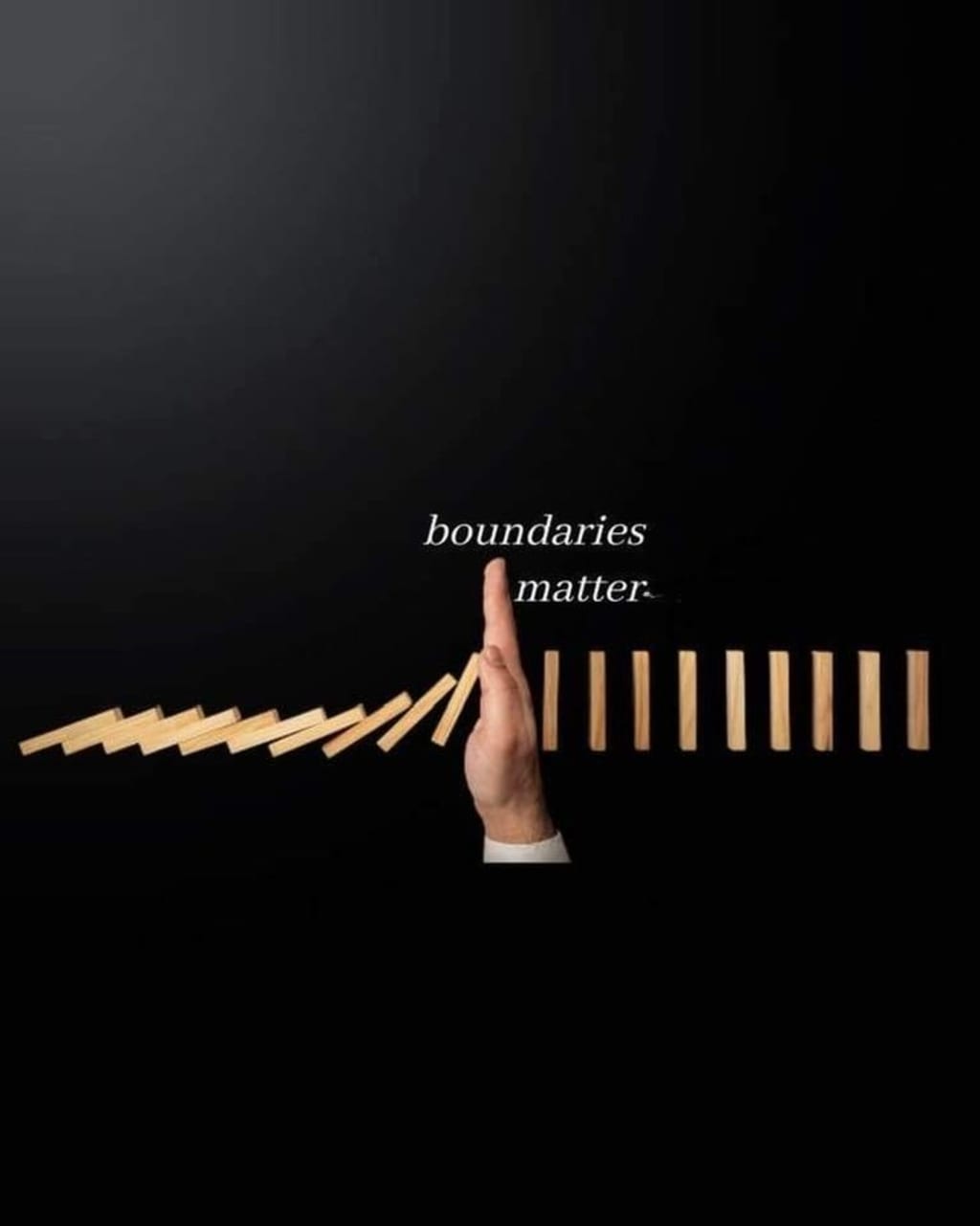
Disrespect doesn’t always come loudly.
It isn’t always insults, shouting, or obvious cruelty. Most of the time, disrespect is subtle. It shows up in tone. In dismissal. In being ignored. In jokes that cut just a little too close. In boundaries crossed casually, as if they never mattered.
And because it’s subtle, people are often told they’re “overreacting.”
But disrespect hits deep — deeper than many realize.
At its core, disrespect isn’t about manners. It’s about value. It’s the feeling that your presence, your words, or your boundaries don’t matter enough to be taken seriously.
That feeling leaves a mark.
Small moments of disrespect accumulate. One interruption. One dismissive comment. One ignored message. One broken promise brushed off as nothing. Individually, they seem minor. Together, they change how you see yourself and how you experience relationships.
Disrespect creates imbalance.
It places one person above another — even if no one says it out loud. One person’s time matters more. One person’s feelings matter less. One person gets to cross lines while the other is expected to stay quiet.
Over time, this imbalance becomes exhausting.
One of the hardest parts about disrespect is how often it’s normalized. People are told to “be the bigger person,” to “not take it personally,” to “let it go.” While those phrases can be helpful in some situations, they’re often used to dismiss valid emotional responses.
Ignoring disrespect doesn’t make you strong.
It teaches others how to treat you.
Another painful aspect of disrespect is that it often comes from people close to you. Friends. Family. Partners. People whose opinions matter. When disrespect comes from strangers, it stings briefly. When it comes from people you trust, it cuts deeper.
That’s because trust lowers defenses.
Disrespect from someone close creates confusion. You start questioning yourself. Did I misunderstand? Am I being too sensitive? Is this just how they are? That self-doubt can be more damaging than the disrespect itself.
Disrespect also erodes communication. When you feel dismissed, you stop speaking honestly. You share less. You explain less. You withdraw. Not because you don’t care — but because you don’t feel safe being heard.
Silence becomes self-protection.
Another form of disrespect people overlook is self-disrespect. Ignoring your own limits. Allowing behavior you know hurts you. Staying quiet when something matters. Telling yourself your feelings aren’t valid.
Often, external disrespect mirrors internal patterns.
When you consistently tolerate disrespect from others, it’s usually because you’ve learned to minimize yourself somewhere along the way. Not intentionally — but out of habit, fear, or conditioning.
Addressing disrespect isn’t about aggression. It’s about clarity.
It’s about naming what feels wrong instead of swallowing it. About recognizing that discomfort is information — not weakness. About understanding that respect isn’t something you earn by tolerating mistreatment.
Respect is the baseline.
Setting boundaries doesn’t make you difficult. It makes you honest. And honesty reveals who is willing to respect you — and who benefits from your silence.
Some people react badly when you stop tolerating disrespect. They accuse you of changing. Of being sensitive. Of causing problems. That reaction says more about their expectations than your behavior.
Respect challenges entitlement.
It’s also important to know that not every disrespectful act requires confrontation. Sometimes the most powerful response is distance. Reduced access. Less emotional availability. Respecting yourself enough to step back.
You don’t need to explain your worth to people who refuse to see it.
Disrespect drains energy because it forces you to constantly assess your value in someone else’s eyes. Respect restores energy because it removes that question entirely.
You shouldn’t have to fight to be treated decently.
Healthy relationships — of any kind — are built on mutual respect. Not perfection. Not agreement. Respect. Listening. Accountability. Care.
When respect is present, conflict doesn’t feel demeaning. Disagreements don’t feel threatening. Boundaries don’t feel like attacks.
Without respect, even silence feels loud.
Learning to recognize disrespect is a form of self-trust. Acting on it is a form of self-respect. Neither makes you cold, rude, or dramatic.
They make you grounded.
You don’t need to demand respect aggressively. You show it through what you tolerate, what you address, and what you walk away from.
Disrespect doesn’t always look like harm.
Sometimes it looks like disregard.
And choosing not to live with that — quietly, firmly, intentionally — is one of the strongest decisions you can make.
Because how people treat you teaches you how they see you.
And how you respond teaches the world how you see yourself.
About the Creator
At My Wits’ End
Life is about taking out the trash and calling it trash because you have every reason to. It wasn't meant to be linear, they say. But the times you tried to make it straight led to problems, and you didn’t have the tools to put any of it to use. You don't put your right shoes on the right feet; you put the left shoes on the left feet. The grey hardened slab will trip you up anyway.
By Caitlin Charlton3 days ago in Humans
Problem-Solving Advice To Strengthen Communication Skills In Love
The issue of communication within relationships is commonly based on the misinterpretation, assumptions, or the undisclosed feelings. Frustration may build up when partners are unable to express themselves. The initial step to solving communication breakdowns is the need to identify the underlying causes of the conflict. Be it due to past experiences affecting current behavior or individual insecurities it is when one is aware that it will enable them to solve problems instead of sweeping them under the carpet. By making time to think about what causes miscommunication, couples will be able to be more empathetic and constructive when talking to each other. It is imperative to learn the background of these factors in order to establish a platform of trust and honesty in a relationship.
By Steve Waugh3 days ago in Humans


Comments
There are no comments for this story
Be the first to respond and start the conversation.