humanity
For better or for worse, relationships reveal the core of the human condition.
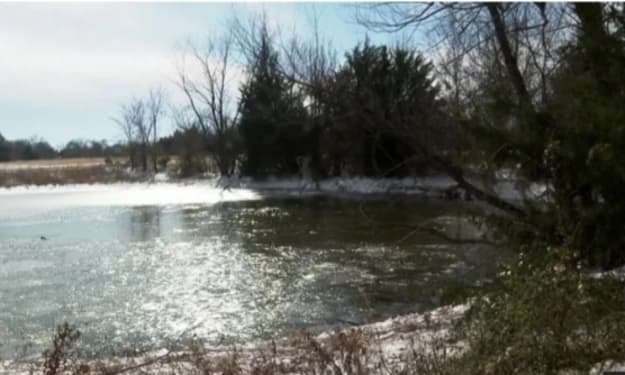
Tragedy in the Ice: Three Brothers Die After Falling into Frozen Texas Pond. AI-Generated.
BONHAM, Texas — In a heartbreaking winter tragedy that has shaken a small North Texas community and drawn widespread grief across the nation, three young brothers — Howard (6), Kaleb (8), and E.J. (9) — died on January 26 after falling through the ice on a frozen pond near Bonham, Texas. The boys’ deaths come amid a powerful and deadly winter storm that has brought extreme cold, ice, and widespread disruption to large portions of the United States. �
By Ayesha Lashari13 days ago in Humans
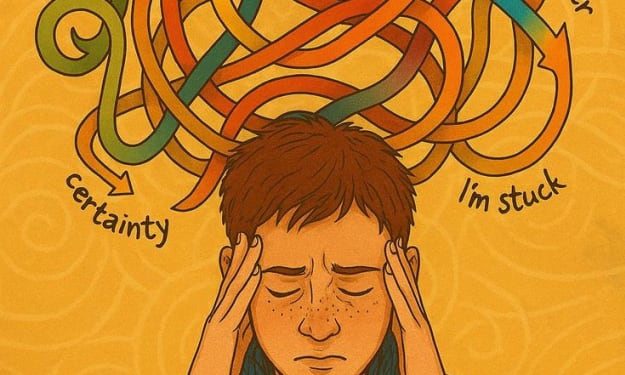
The Banality of Evil
We often imagine crime as the work of monsters—people so different from us that we can safely put them in another category. Serial killers, corrupt officials, war criminals: they’re “other,” right? But history and psychology tell a more unsettling story. Ordinary people, people who look like us, who live next door, who go to work and pay bills, can and do commit extraordinary crimes.
By The Crime Canvas13 days ago in Humans
Adorn any outfit with a genuine Native handcrafted necklace showcasing traditional beadwork or stones.
Hand crafted Native American necklaces hold deep cultural significance while offering timeless beauty that complements a wide range of outfits. These pieces are more than decorative accessories; they represent generations of artistic tradition, storytelling, and craftsmanship. Wearing such necklaces allows individuals to express appreciation for heritage-inspired artistry while enhancing their personal style with meaningful design elements.
By Native American Necklaces13 days ago in Humans
Why Certain Connections Feel Familiar Without History.
Some relationships feel familiar even without shared history. People often experience an immediate sense of comfort, trust, or recognition with strangers. This phenomenon occurs in friendships, romantic encounters, professional interactions, and social situations. While it may feel mysterious, science and psychology provide explanations. Familiarity without history arises from subconscious pattern recognition, emotional resonance, and neural processes that link perception, memory, and social cognition. Understanding why certain connections feel familiar offers insight into human intuition, relationship building, and social awareness.
By Wilson Igbasi13 days ago in Humans
Emotional Synchrony and How People Recognize It Fast.
Emotional synchrony occurs when individuals share, align, or mirror emotional states in real time. It is a phenomenon that allows people to connect, empathize, and respond to one another quickly and effectively. Some people seem to recognize emotional synchrony almost instantly, sensing alignment with others without deliberate analysis. This rapid perception has profound implications for relationships, communication, teamwork, and social cohesion. Understanding how emotional synchrony works and why it is recognized so quickly provides insight into human connection and the brain’s capacity for emotional processing.
By Wilson Igbasi13 days ago in Humans
Signs Two People Share Aligned Values Instantly
People often sense compatibility with others immediately. This sense of alignment usually stems from shared values, which shape behavior, communication, and decision-making. When two people have similar core beliefs, attitudes, or priorities, it often shows in subtle ways, long before detailed conversations or experiences confirm the connection. Recognizing these signs provides insight into social dynamics, relationship building, and intuitive judgment.
By Wilson Igbasi13 days ago in Humans
Elizabeth Smart: From Captivity to Courage
The night Elizabeth Smart disappeared did not announce itself with drama. It arrived quietly, the way danger often does. In the early hours of June 5, 2002, while a Salt Lake City home slept, a man entered through an open window. He moved with confidence, not haste. He carried a knife. He went first to a child’s bed.
By Aarsh Malik13 days ago in Humans