
Power of Kindness
Small Acts, Big Impact — Transforming Lives Through Compassion

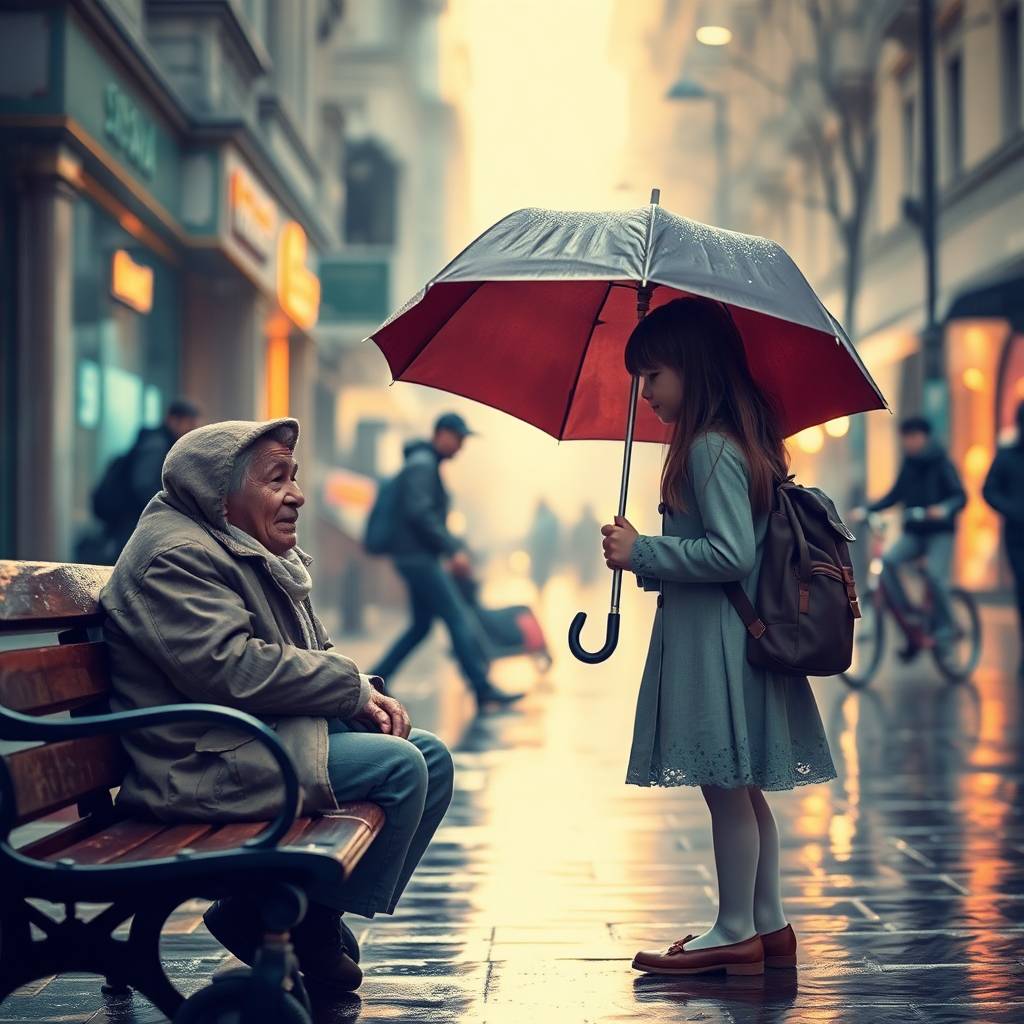
In a world filled with challenges, chaos, and competition, there exists a quiet but mighty force that has the power to heal wounds, bridge divides, and ignite hope. That force is kindness. It doesn’t wear a crown, doesn’t seek headlines, and doesn’t ask for anything in return — yet its effects are deeper than we can measure.
Kindness is not just a sweet gesture or a polite smile. It is a revolution of the human spirit, a decision to care, a choice to make someone else’s world a little better, even if for a moment.
What Is Kindness?
Kindness is the act of showing care, empathy, and compassion toward others — without expecting anything in return. It could be offering a glass of water to a thirsty stranger, helping someone carry their load, forgiving someone who hurt you, or simply listening when someone needs to talk.
It doesn't require money, power, or even a lot of time. What it does require is heart.
Why Kindness Matters
Kindness is powerful for many reasons — social, emotional, and even biological. Here’s why:
It Creates Connection
In an increasingly lonely world, kind gestures help people feel seen and valued. A simple "How are you?" or a genuine compliment can brighten someone’s entire day.
It Inspires Others
Kindness is contagious. One act of goodness can lead to a chain reaction. When someone experiences kindness, they are more likely to pass it on.
It Heals Pain
In times of grief, illness, or failure, kindness can provide emotional healing that medicine or advice often can’t.
It Builds Stronger Communities
When people help each other, support their neighbors, and uplift strangers, communities grow stronger, safer, and happier.
The Science Behind Kindness
Modern science confirms what our hearts have known for ages — kindness is good for us. When we perform or receive acts of kindness, our brains release oxytocin (the love hormone), dopamine (the feel-good chemical), and serotonin (a mood stabilizer). It reduces stress, improves heart health, and even strengthens the immune system.
In short, being kind makes us healthier and happier.
Everyday Opportunities to Be Kind
You don’t need a stage or an audience to practice kindness. Here are small ways you can bring light into the world:
Hold the door open for someone.
Share your lunch with someone who forgot theirs.
Send a thank-you note to your teacher, doctor, or parent.
Give a sincere compliment to a classmate or co-worker.
Help clean up even when it’s not your mess.
Listen patiently without interrupting.
Plant a tree, feed a stray, or care for nature — kindness isn’t only for humans.
These actions may seem small, but they carry unseen weight.
Kindness in Action: Real Stories
Let’s look at a few real-life stories that show the power of kindness.
Story 1: The Lost Wallet
A teenage boy in a small town found a wallet with over $500 inside. Instead of keeping it, he tracked down the owner — an elderly man — and returned every penny. The man cried with joy. That boy’s honesty and kindness inspired an entire school to launch a “Return Lost Items” campaign.
Story 2: The Classroom Hug
In a classroom, a quiet student was being bullied. One day, another student simply walked over, smiled, and gave him a hug. That simple gesture gave the child the courage to speak up — and the bullying stopped. One hug changed a life.
Story 3: The Free Food Stand
A small bakery in a village started offering “Kindness Buns” — a shelf of free bread for anyone in need. The idea spread across the country, with shops creating their own kindness shelves. It all began with one generous baker.
Teaching Kindness to Children
Kindness is best learned young. When we teach children to share, help, and be polite, we’re planting seeds that will grow into compassionate adults. Schools and parents can play a vital role by:
Modeling kind behavior — children learn by watching.
Encouraging gratitude — saying “thank you” and appreciating help.
Celebrating kindness — praise kind acts, not just high grades.
Storytelling — use books and stories that highlight empathy.
In doing so, we raise not just smart minds but good hearts.
Challenges to Being Kind
Kindness isn’t always easy. People may take advantage of your good nature. You may not be appreciated right away. In a harsh world, being kind can feel like being weak.
But the truth is — kindness is courage. It is strength disguised as softness. It is resistance in a world full of anger. And though it may not always be easy, it is always right.
Remember: Being kind doesn’t mean being blind. You can set boundaries and still be caring. You can speak truth and still be gentle.
A World Transformed
Imagine a world where kindness is the rule, not the exception. A world where leaders lead with compassion, where strangers help each other, where differences are met with respect, not hate.
This world begins with you.
Your words. Your actions. Your choices.
Every act of kindness sends a ripple across the world. You may not see its end, but it matters. It always matters.
Conclusion: Be the Spark
The power of kindness lies not in grand gestures but in small, consistent acts. It has no limits, no expiry date, and no cost — yet its value is immeasurable.
In the darkest times, be someone’s light. In a world rushing for success, pause to help. In a life filled with noise, offer someone your listening ear.
Be kind — not because they deserve it, but because you choose to be a source of good.
Let your kindness be the spark that ignites a better, more beautiful world.
About the Creator
Leesh lala
A mind full of dreams, a heart wired for wonder. I craft stories, chase beauty in chaos, and leave sparks of meaning behind. Built to rise, made to inspire.
Keep reading
More stories from Leesh lala and writers in Humans and other communities.
FRIENDS ARE HAPPINESS
In a world filled with constant change, uncertainty, and challenges, one of the most comforting and consistent sources of joy comes from the people we call friends. From childhood memories to adult bonds, friendship is a unique and irreplaceable treasure that we often underestimate. While love, success, and material achievements can bring happiness, friendship is the silent river that flows beneath it all, nourishing the soul and making every season of life bearable—and beautiful.
By Leesh lala9 months ago in Humans
Cabin Fever Because of Snow, Sleet, and Freezing Rain That Turned to Icy Roads
What Is Cabin Fever? The short answer is that cabin fever is restlessness from being in a confined area. Cabin fever is the distressing irritability or restlessness experienced when a person or group is stuck at an isolated location or in confined quarters for an extended time. Research shows that prolonged cold, gray skies, and being stuck indoors can trigger mood shifts similar to “winter blues.”
By Margaret Minnicks2 days ago in Humans
Missing Girl’s Parents Describe ‘Unbearable Fear’ as Search Enters Critical Phase
The parents of a missing girl have spoken publicly for the first time since their daughter disappeared, describing their anguish as an “unbearable fear” while authorities intensify efforts to locate her. The emotional appeal comes as police expand search operations and urge the public to come forward with any information, no matter how small it may seem. The girl, whose identity is being withheld for legal and safety reasons, was last seen several days ago near her family’s home. Since then, dozens of officers, volunteers, and search-and-rescue teams have been deployed across nearby neighborhoods, wooded areas, and waterways. Standing outside their home, the child’s mother and father addressed reporters with visible distress, clutching a photograph of their daughter. “We wake up every morning hoping this nightmare will end,” her mother said. “Not knowing where she is or whether she is safe is an unbearable fear that no parent should ever have to face.” Timeline of the Disappearance According to police, the girl was reported missing after failing to return home at her usual time. Family members initially believed she may have gone to a friend’s house or become delayed, but concern grew when repeated calls went unanswered. Authorities have not released specific details about the circumstances of her disappearance, citing the ongoing investigation. However, they confirmed that surveillance footage from nearby streets and businesses is being reviewed, and mobile phone data is being analyzed for potential leads. A senior police spokesperson said there is currently no confirmed evidence of foul play but emphasized that all possibilities remain under consideration. “We are treating this as a high-priority case,” the spokesperson said. “Our focus is on locating the child as quickly and safely as possible.” Community Mobilizes The disappearance has shaken the local community, prompting a wave of volunteer efforts. Neighbors have organized search parties, distributing flyers and combing parks, trails, and vacant lots. Local schools held moments of silence, and community centers have opened their doors to coordinate volunteer teams and provide emotional support to the family. “It’s heartbreaking,” said one neighbor. “Everyone is checking their cameras, retracing steps, doing whatever they can to help.” Social media has also played a major role, with thousands of people sharing the girl’s photo and description. While police welcome public awareness, they caution against speculation or spreading unverified information. “False tips and rumors can distract from genuine leads,” the police spokesperson said. “We urge people to rely on official updates.” Parents’ Emotional Plea In their statement, the parents directly addressed their daughter, hoping she might hear their message. “If you can hear us, please know we love you more than anything,” her father said. “We are waiting for you. We will never stop looking.” They also appealed to anyone who may have seen their child or has information about her whereabouts. “Please, if you know something, say something,” the mother added. “Even the smallest detail could bring her home.” Their words resonated deeply with families across the region, many of whom expressed solidarity and fear that such a tragedy could happen to anyone. Psychological Toll of Uncertainty Experts say the uncertainty surrounding a missing child can be more traumatic than receiving bad news, as families remain trapped between hope and dread. “The brain struggles with not knowing,” explained a child trauma psychologist. “Parents replay every moment, every decision, questioning themselves. It creates intense emotional distress and exhaustion.” Support services have been offered to the family, including counseling and crisis assistance. Authorities say these resources are vital not only for the parents but also for siblings and extended relatives affected by the situation. Law Enforcement Strategy Police confirmed that specialized units trained in missing persons cases have been brought in to assist local officers. Search dogs, drones, and thermal imaging equipment are being used in difficult terrain. Investigators are also interviewing friends, teachers, and acquaintances to reconstruct the girl’s recent movements. Digital evidence, such as online activity and messaging, is being examined to determine whether she communicated with anyone shortly before her disappearance. “We leave no stone unturned,” the police spokesperson said. “Every lead is pursued.” Public Caution and Compassion Authorities have urged the public to remain vigilant but calm. They remind residents to report suspicious activity immediately while avoiding actions that could interfere with the investigation. Community leaders have emphasized the importance of compassion, particularly toward the family. “This is not a time for judgment or blame,” said a local council representative. “This is a time for unity and care.” Hope Amid Fear Despite the fear and uncertainty, the parents said they are holding onto hope. “We believe our daughter is out there,” her mother said. “And we believe she will come home.” Candles and flowers now line the front fence of the family’s home, a quiet symbol of collective concern and prayer. Children in the neighborhood have left handwritten notes wishing for her safe return. Conclusion As the search continues, the case has become a powerful reminder of how fragile everyday life can be and how deeply a community can be affected by one child’s disappearance. The parents’ words—describing their pain as “unbearable fear”—capture the emotional weight of waiting without answers. Authorities continue to appeal for information and promise that the search will not stop until the girl is found. For her family and community, each passing hour is filled with worry, but also with determination that she will be brought home safely.
By Fiaz Ahmed about 16 hours ago in Humans



Comments (1)
Good story