
How Small Communities Can Stand Up for Human Rights
Practical Steps for Local Communities to Protect Dignity, Fairness, and Equality

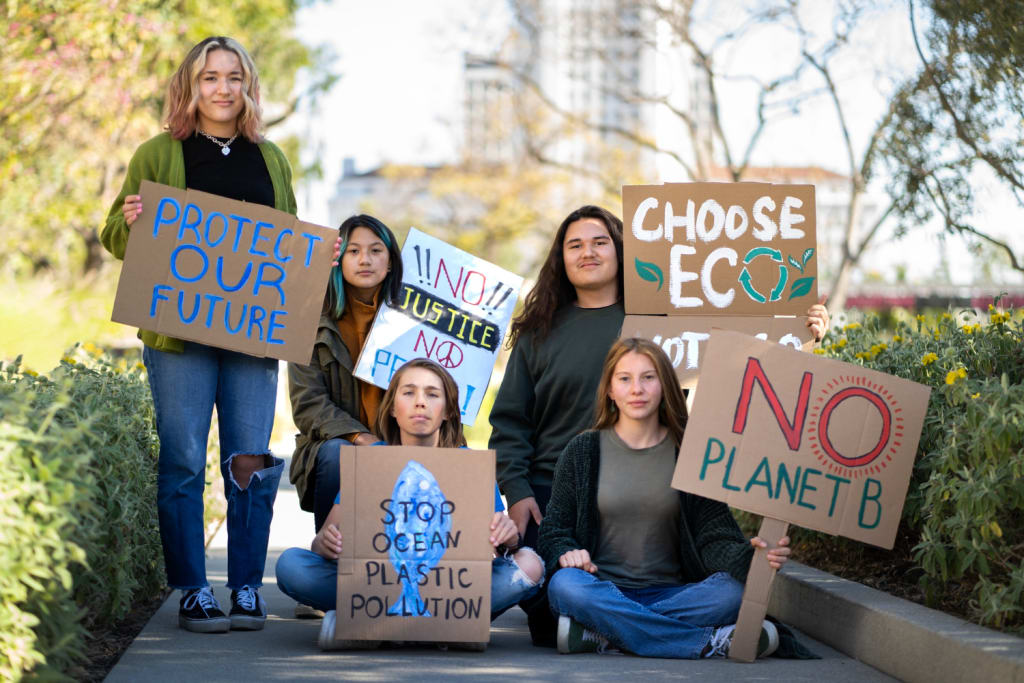
Human rights are often discussed on a global scale, linked to governments, international laws, and large movements. But real change does not always begin at that level. In many cases, it starts within small communities—neighborhoods, villages, schools, local groups, and online circles. These close-knit spaces have a unique ability to protect dignity, encourage fairness, and respond quickly when rights are at risk. For more guidance and resources, communities can visit thehuman-rights.com.
Human Rights Begin Closer to Home
For people living in small communities, human rights are not distant concepts. They are part of daily life. The right to feel safe, to speak freely, to receive education, and to be treated with respect shows up in everyday interactions. When communities understand that these experiences are rights and not privileges, they begin to take responsibility for protecting them.
Local action matters because it is personal. People are more likely to stand up when they see injustice affecting someone they know. This personal connection often becomes the strongest motivation for change.
Seeing Human Rights in Everyday Community Life
Human rights are present in small, often unnoticed moments. Fair treatment at work, equal access to public spaces, respect for cultural or religious differences, and protection from harassment are all examples. When these rights are ignored, harm quietly grows.
Communities that pay attention to these daily experiences are better prepared to respond. Simply recognizing unfair behavior and calling it out respectfully can prevent long-term damage and normalize accountability.
Learning and Awareness as the First Step
Awareness is the foundation of human rights protection. Many violations happen because people are unaware of their rights or believe mistreatment is normal. Small communities can address this through simple educational efforts.
These efforts do not need to be formal or expensive. Open discussions, shared stories, reading circles, or local workshops can make a real difference. When people understand their rights, they gain confidence to protect them—not only for themselves, but for others as well.
Giving People Safe Spaces to Speak
Silence allows injustice to continue. One of the most powerful things a small community can do is create safe spaces for people to speak openly. These spaces may include community meetings, support groups, or trusted online forums.
When individuals feel safe sharing their experiences without fear of judgment or retaliation, problems surface earlier. Listening becomes an act of respect, and collective solutions become possible. Safe spaces also build trust, which is essential for long-term change.
Standing With Those Who Need Protection Most
Every community has people who are more vulnerable than others. This may include women, children, elderly individuals, minorities, people with disabilities, or those facing economic hardship. Supporting these individuals is a direct way to stand up for human rights.
Support does not always require large actions. Sometimes it means offering help, speaking up when unfair treatment occurs, or simply believing someone’s experience. These acts remind everyone that dignity applies equally to all.
The Influence of Local Role Models
Leadership plays a major role in shaping community values. In small communities, leaders are not always officials. They may be teachers, elders, religious figures, activists, or respected neighbors. Their words and actions influence how others behave.
When local role models promote fairness, respect, and dialogue, they set a powerful example. Their support helps human rights efforts remain calm, inclusive, and focused on solutions rather than conflict.
Using Digital Platforms to Share Community Voices
Digital tools have given small communities a wider voice. Social media, messaging apps, and blogs allow local stories to reach beyond geographic boundaries. These platforms can raise awareness, document experiences, and connect communities with supportive networks.
Responsible use is important. Sharing accurate information, avoiding harmful language, and focusing on constructive dialogue helps maintain credibility.
Working Together Beyond the Neighborhood
Small communities do not have to act alone. Partnering with local organizations, educational institutions, or non-profit groups can provide guidance and resources. These partnerships are most effective when they respect community leadership and lived experiences.
External support should strengthen local efforts, not replace them. When communities remain actively involved, progress feels meaningful and sustainable.
Why Small and Consistent Actions Matter
Human rights progress rarely happens overnight. It grows through consistent effort. Small actions—repeated over time—create cultural shifts. Respectful conversations, fair decisions, and everyday empathy slowly change how people treat one another.
History shows that many major movements began with small groups who refused to ignore injustice. Consistency turns concern into impact.
Change Starts With Community Effort
Human rights are not only protected in courts or international meetings. They are defended in homes, classrooms, streets, and local gatherings. Small communities hold powerful influence because they are built on relationships and shared responsibility.
By learning together, supporting vulnerable individuals, encouraging open dialogue, and acting with empathy, small communities can stand up for human rights in ways that truly matter. Change does not always begin loudly—but it always begins somewhere.
Disclaimer: The content in this article is for informational and educational purposes only. It reflects general guidance on human rights at the community level and is not intended as legal, professional, or medical advice. Readers are encouraged to verify information independently and consult relevant authorities or professionals when necessary. The author and are not responsible for any actions taken based on the content of this article.
About the Creator
The Night Everything Shifted
The Night Everything Shifted The night everything shifted did not announce itself. There was no thunder, no dramatic phone call, no moment that begged to be remembered. It arrived quietly, the way most real changes do—wearing the disguise of an ordinary evening.
By Story Prism3 days ago in Humans




Comments