
The Middle East Question: Power, Peace, and Double Standards
Why Many People Question Western Policies Toward Israel, Iran, and the Arab World

The Middle East Question: Power, Peace, and Double Standards
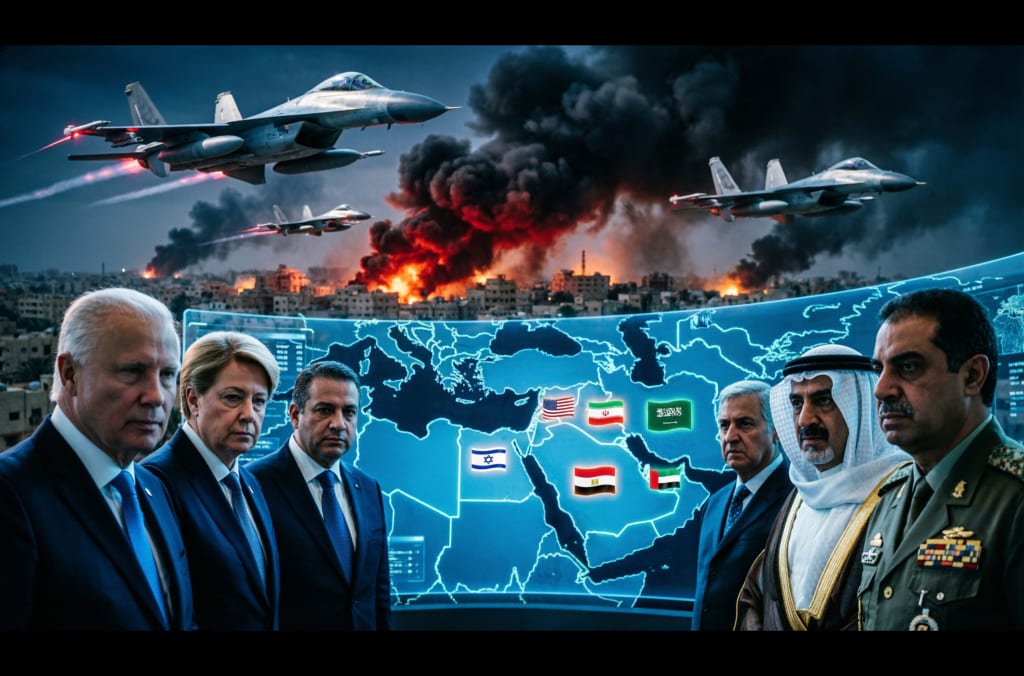
In recent years, the conflict in the Middle East has once again raised serious questions about global politics, justice, and the meaning of peace. Many observers around the world ask the same question: if powerful countries speak so often about peace and human rights, why did they remain silent when violence and suffering were happening earlier?
The conflict in Gaza has become one of the most emotional and controversial issues in international politics. When military operations intensified in Gaza Strip, thousands of civilians faced destruction, displacement, and fear. Images of destroyed homes and injured civilians spread quickly across social media and international news. Many people in the Middle East and beyond felt that the global response was slow and limited.
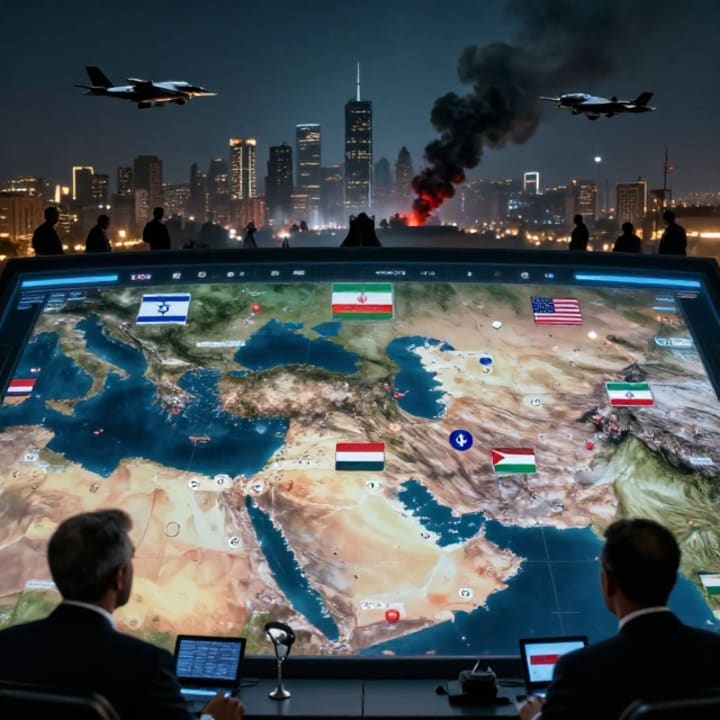
The government of United States often presents itself as a supporter of peace negotiations in the region. American leaders frequently call for stability and diplomacy. However, critics argue that the United States has historically supported Israel politically and militarily for decades. This support includes military aid, advanced weapons systems, and diplomatic protection in international organizations.
Because of this relationship, many people believe that American calls for peace sometimes appear contradictory. They ask why stronger pressure was not applied earlier to prevent large-scale suffering. These questions are especially common in Muslim-majority countries and in parts of the developing world.
Another major issue in the debate is nuclear weapons. Israel is widely believed by experts to possess nuclear capabilities, although it has never officially confirmed them. Meanwhile, international pressure has been applied to Iran to limit or stop its nuclear program. Western governments argue that Iran’s nuclear development could destabilize the region and create a dangerous arms race.
Critics, however, point out the difference in treatment between the two countries. They argue that if nuclear weapons are considered dangerous, then international rules should apply equally to every country. This debate has created strong political tensions between Iran and Western nations for many years.
At the same time, conflict in the region is not limited to Gaza alone. Military tensions have also increased along the border of Lebanon, where clashes involving armed groups and Israeli forces have occasionally threatened to expand the conflict. Many analysts fear that if the fighting spreads further, it could turn into a wider regional war involving multiple countries.
Another important issue is the role of Arab countries. Many critics argue that several Arab governments relied heavily on security partnerships with Western powers instead of developing independent defense capabilities. Countries such as Saudi Arabia, United Arab Emirates, and Egypt have strong relationships with Western governments, especially in terms of military cooperation and economic partnerships.
Because of these alliances, some people believe that the Arab world became too dependent on outside powers for security. Instead of investing heavily in domestic defense industries, missile technology, and independent strategic planning, they often relied on protection from larger global powers.
This dependence has created a serious strategic question: if major powers become involved in their own conflicts or face their own security challenges, will they still be able to protect their allies effectively? Recent global tensions have made many countries rethink their defense strategies.
Another factor in this complex situation is the role of global leadership. During the presidency of Donald Trump, American policy toward the Middle East became more direct and sometimes controversial. Trump strongly supported Israel in several diplomatic decisions, including recognizing Jerusalem as Israel’s capital. Supporters believed this approach strengthened alliances, while critics argued that it increased tensions with Palestinians and other regional actors.
In addition, global politics today is influenced by rising powers such as China and Russia, which sometimes present themselves as alternatives to Western influence. Their growing involvement in Middle Eastern diplomacy shows that the region is part of a larger global competition for power and influence.
For ordinary people living in conflict zones, however, the geopolitical debate matters less than daily survival. Families worry about safety, food, and the future of their children. War brings humanitarian crises, refugee movements, and economic destruction that can last for decades.
In the end, the Middle East crisis highlights a deeper global challenge: the gap between political promises and real actions. When powerful countries speak about peace, fairness, and international law, people expect those values to be applied equally to all sides.
Whether the region moves toward peace or further conflict will depend on diplomacy, cooperation, and the willingness of global powers to address these concerns honestly. Without fairness and accountability, mistrust will continue to grow.
The future of the Middle East will not only shape the region itself but may also influence the balance of global politics for many years to come.
About the Creator
Wings of Time
I'm Wings of Time—a storyteller from Swat, Pakistan. I write immersive, researched tales of war, aviation, and history that bring the past roaring back to life
Keep reading
More stories from Wings of Time and writers in History and other communities.
Iran hails ‘encouraging signals’ from US ahead of nuclear talks in Geneva
Iranian President Masoud Pezeshkian has said that nuclear talks with the United States have produced “encouraging signals”, but warned that Tehran is prepared for any scenario ahead of another round of negotiations set for Thursday.
By Wings of Time 11 days ago in History



Comments
There are no comments for this story
Be the first to respond and start the conversation.