
HOW ABOUT A SECRET CITY BENEATH LONDON?
Exploring the underground world of London
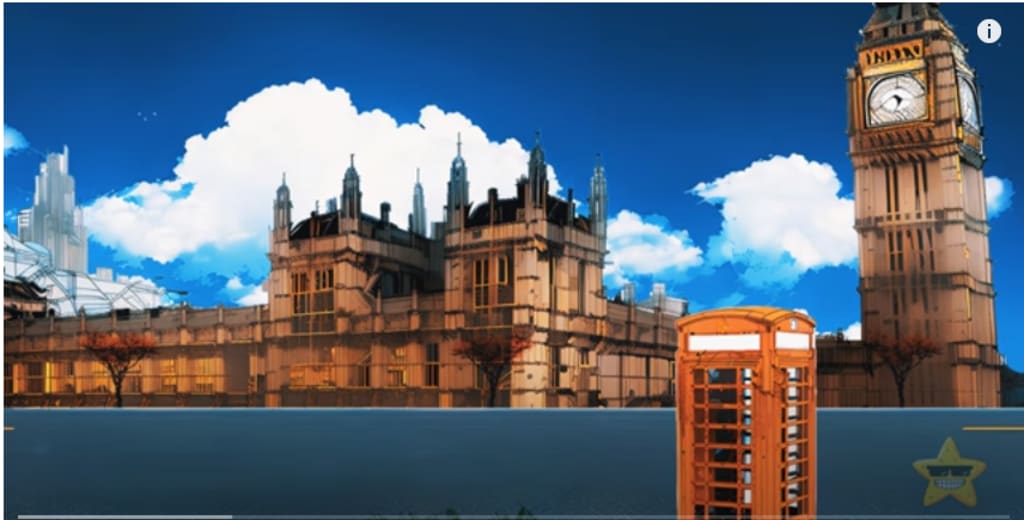
Exploring the underground world of London is a captivating and thrilling concept. The vast network of tunnels, passages, and abandoned subway stations hidden beneath the bustling city streets holds a treasure trove of history and mysteries. Let's delve deeper into this underground realm to uncover its secrets:
As we venture further into the underground world of London, we find ourselves surrounded by a labyrinth of hidden passages, forgotten tunnels, and abandoned stations. Each step takes us deeper into the city's rich history, revealing fascinating secrets and untold stories.
Secret Passageways: These underground shelters and tunnels connecting famous buildings, such as Buckingham and Westminster palaces, serve as intriguing historical connections. Many of these passages date back to the 20th century or even earlier, providing a glimpse into London's architectural and social past.
Postal Passages: The underground network contains numerous postal passages, but their exact locations remain uncertain. The most famous one is the Postmaster General's secret tunnel, designed in the mid-20th century to transport important messages. This large tunnel stretches to the working East End, breaking into a network of smaller passages.
Abandoned Subway Stations: London's subway system, the Tube, has witnessed numerous abandoned stations over the years. Some, like London's Tube, served as test versions for engineers before the official subway system was established. These remnants of the past are fascinating glimpses into early transportation efforts in the city.
The Tower Subway: This river tunnel near the Tower of London was an early experiment in subway engineering. While it connected the northern and southern parts of the river in the past, it's now just a relic recalling the city's history of innovative transportation development.
Down Street Station: This station's fate was sealed when Tower Bridge was built nearby, making it less appealing for passengers. However, it later played a significant role during World War II, serving as the headquarters of the executive committee of the railway.
Aldwych Station: Despite being relatively underused, Aldwych Station protected valuable treasures, including the world-famous Elgin marbles, during certain periods. Now it's a location often used for filming and hidden London tours.
Clapham South: While not entirely abandoned, Clapham South once served as living quarters for newcomers to Britain. It provided basic accommodation, but the constant noise from passing trains made it less comfortable.
Brompton Road: Another abandoned station on the Piccadilly line, Brompton Road suffered the same fate as Down Street due to its proximity to neighboring stations. However, during times of emergency, it was repurposed as an underground bunker.
York Road: This station on the Piccadilly line was closed in 1932 as the number of passengers declined. It showcases beautiful Oxblood tiles and could potentially see a rebirth if the area undergoes reconstruction and attracts more residents.
The underground world of London is a captivating tapestry of history, engineering feats, and hidden tales waiting to be discovered. While some of these places are open to the public for tours and filming, others remain concealed, adding an air of mystery to this underground city beneath the streets. Exploring these hidden spaces would undoubtedly be a thrilling and unforgettable adventure.
As we emerge from our underground adventure, we can't help but feel a sense of wonder and curiosity about the layers of history hidden beneath the familiar streets of London. The underground world holds countless stories of triumphs, struggles, and the human spirit's ability to adapt and endure. It reminds us that there is always more to discover, even in the most well-trodden places, and that beneath every city lies a world of mystery and fascination waiting to be explored.
About the Creator
Keep reading
More stories from writers in History and other communities.
The Oregon Trail - The Road That Pulled a Nation West
Long before interstates sliced across the plains. Long before Route 66 flickered neon into desert skies. And long before motels, hotels, or even the idea of a weekend road trip... There was a trail.
By The Iron Lighthouseabout 11 hours ago in History
'Till Death We Do Art
There would be nothing divine in this world without art. Nature may surpass the divine to all intents and purposes, but like everything it absorbs and is absorbed by, it remains here, stuck on the surface of this world, ever-present, physically bound to the universe.
By Avocado Nunzella BSc (Psych) -- M.A.P 7 days ago in Art
When Amazon Says You’re a Disappointment
Yesterday, for the first Wednesday in months, I didn’t publish a piece on Vocal. Believe me, I wanted to. I had it all written up and ready to go. I was going to share the news that I had officially become a published author.
By Sandy Gillman6 days ago in Writers




Comments
There are no comments for this story
Be the first to respond and start the conversation.