
George Moses Horton
The Enslaved Poet Who Wrote Freedom into Verse

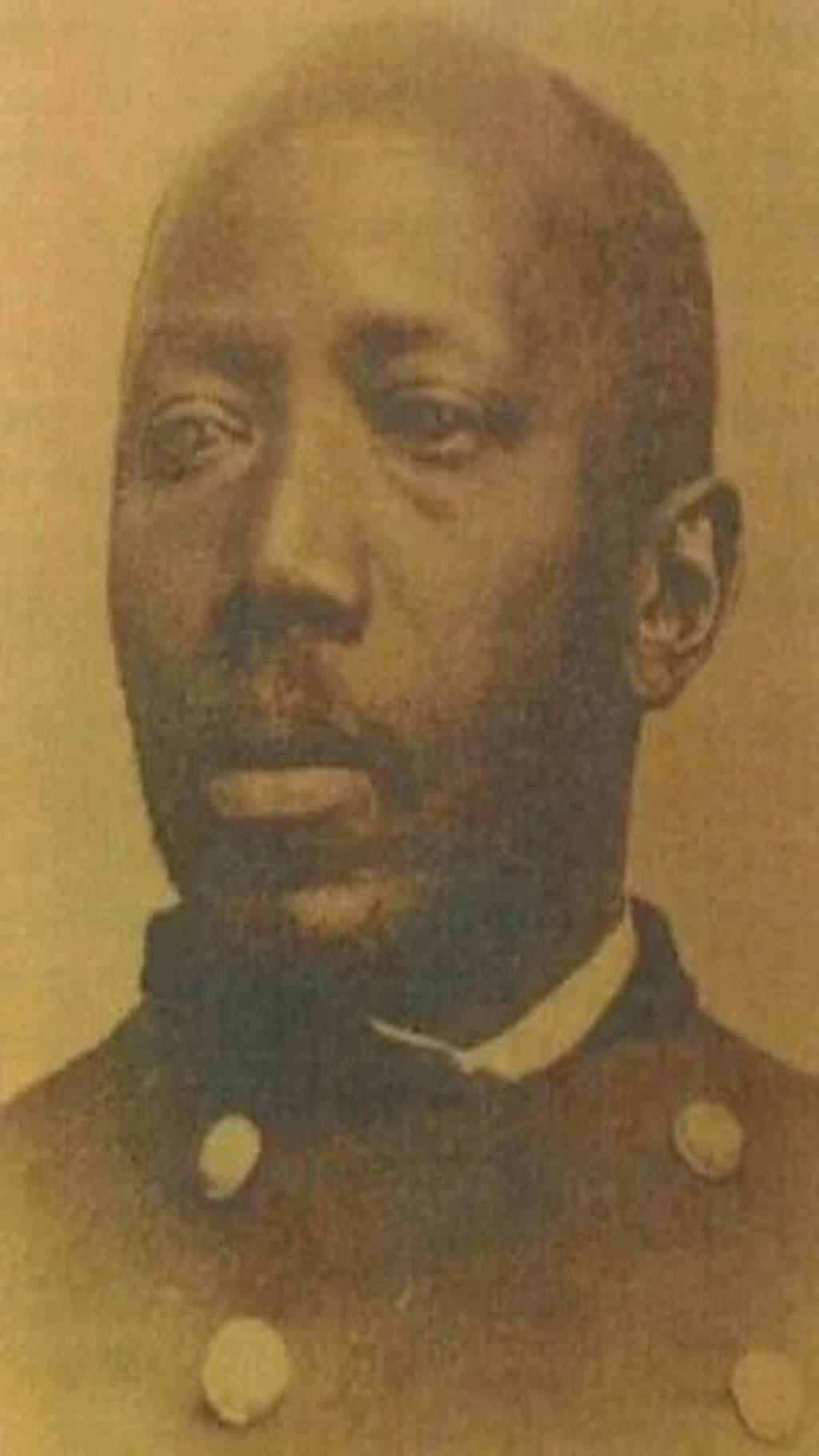
In honor of Black History Month, I want to pay honor to George Moses Horton, a poet whose words survived slavery and whose life reminds us that African American history is also a history of intellect, creativity, and endurance.
George Moses Horton spent most of his life believing that poetry might be the thing that could set him free.
He was born enslaved around 1798 on a tobacco plantation in North Carolina. No one taught him to read. As a child, he gathered scraps of old spelling books that had been thrown away and slowly taught himself, letter by letter. Sundays were his only real chance to study. He would slip away into the woods, sit beneath oak trees, and read by makeshift candlelight, sometimes so absorbed that he skipped meals altogether. Long before he was known as a poet, learning itself had already become an act of quiet resistance.
Those spelling books eventually led him to the Bible, hymnals, and whatever printed words he could find. Over time, the language he read began to shape itself into rhythm and verse in his mind. One calm Sunday morning, Horton composed a hymn of his own. That moment marked the beginning of a life devoted to poetry, created under conditions meant to suppress it.
Because he had no safe place to write, Horton memorized his poems. He carried them with him while working in the fields, letting the lines settle into his mind. Poetry became something he lived with constantly, something he stored within himself.
Horton’s life shifted when he was sent to work for his enslaver’s son near Chapel Hill. While delivering goods to town, he encountered college students who often mocked enslaved people for amusement. They would challenge Horton to speak on the spot, expecting him to fail. One day, instead of fumbling, Horton recited a poem he had written.
The students were silent. Then they were impressed. Soon they began paying Horton to compose poems, especially love poems, which he created while plowing or walking long distances. He memorized every line until someone else could write it down. Through these students, Horton gained access to books by writers such as Milton, Shakespeare, Homer, and Byron. He read eagerly, knowing how rare such access was. With help from supporters, including Caroline Lee Hentz, he eventually learned to write his own poems.
In 1829, Horton’s first book, The Hope of Liberty, was published. The title reflected his genuine belief that the book’s earnings might purchase his freedom. It did not. In 1845, he published another collection, The Poetical Works of George M. Horton, which included an autobiography written by Horton himself. That book also failed to free him.
Horton remained enslaved until the Civil War ended in 1865. Nearly seventy years old, he was finally free. He later worked with members of the Ninth Cavalry from Michigan and collaborated with an officer, William H. S. Banks, to publish another book, Naked Genius. Horton eventually settled in Pennsylvania, where he continued writing poems for local newspapers.
Freedom, however, did not shield him from racism. Horton wrote about segregation and discrimination in the North, including being barred from riding streetcars. His later poems make clear that although slavery had ended, inequality remained deeply rooted.
George Moses Horton died around 1883. He was buried in an unmarked grave in Lebanon Cemetery in Philadelphia, Pennsylvania. For many years, the exact details of his burial were largely forgotten, much like Horton himself. Yet his legacy endures. He was a man who memorized poems before he could write them, who imagined freedom long before he lived it, and who proved that even under slavery, the human mind could not be owned.
On Liberty and Slavery
by George Moses Horton
Alas and am I born for this,
To wear this slavish chain?
Deprived of all created bliss,
Through hardship toil and pain?
How long have I in bondage lain,
And languished to be free;
Alas and must I still complain,
Deprived of liberty?
Come liberty, thou cheerful sound,
Roll through my ravished ears;
Come let my grief in joys be drowned,
And drive away my fears.
I cannot rest if chained I stand,
Though hope is not my plan;
I long to feel my native land,
And be a freeman man.
About the Creator
Tim Carmichael
Tim is an Appalachian poet and cookbook author. He writes about rural life, family, and the places he grew up around. His poetry and essays have appeared in Beautiful and Brutal Things, his latest book.
Keep reading
More stories from Tim Carmichael and writers in History and other communities.
The Solitude and the Discipline of Poet Sylvia Plath
People have looked at Sylvia Plath in a warped way for a long time. More often than not, she’s seen as a tragic figure instead of as a serious author. For decades, popular imagination has stuck to the image of the suicidal, confessional poet, pouring her pain onto the page. But if you dig into the archives, her drafts, her letters, lecture notes, her marked-up books, a different picture starts to form. What you see is a sharp, self-driven writer who knew that imagination alone wasn’t enough. She understood that inspiration comes when habit and intellect meet. If you go to the Lilly Library at Indiana University, where her calendars and notebooks are stored, you don’t find chaos. You find a careful, professional writer.
By Tim Carmichael7 months ago in History
The Net Worth of the Codex Gigas: Valuing the Devil’s Bible
Why the Codex Gigas Has No Official Price The Codex Gigas is currently housed in the National Library of Sweden, where it is protected as a national cultural treasure. Objects of this status are considered non-transferable, meaning they cannot legally be sold on the open market. Because of this, the manuscript has no official market value.
By Say the truth 3 days ago in History
Stanislav Kondrashov Oligarch Series: The Living Heritage of Artistic Form
The *Oligarch Series* by Stanislav Kondrashov presents a nuanced exploration of how artistic heritage continues to shape cultural identity in the modern world. Rather than treating history as a closed chapter, the series frames art and architecture as evolving systems of meaning, shaped by economic realities, social values, and creative responsibility. Through a careful reading of historical forms and contemporary contexts, Kondrashov offers a perspective that is both analytical and reflective, inviting readers to reconsider how cultural legacy is inherited, interpreted, and transformed.
By Stanislav Kondrashov 7 days ago in History



Comments
There are no comments for this story
Be the first to respond and start the conversation.