
The Post-Credits Wedding, Benedict and Sophie's Romance, and What Comes Next in the Bridgerton Season 4 Finale
New discussions about identity, representation, and Season 5's future are sparked by Netflix's hit period drama's post-credits wedding scene.
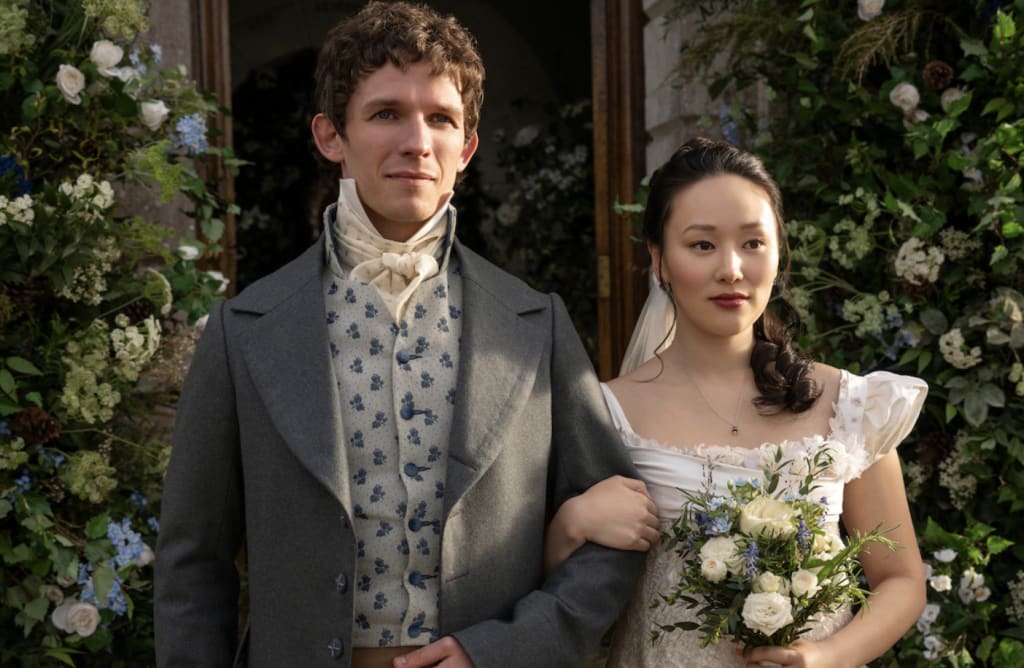
A post-credits wedding scene that delighted fans and teased the Regency drama's future while reigniting discussions about identity, representation, and narrative evolution on Netflix's hit show Bridgerton came to an end in a moment that was both romantic and unexpected. The conclusion of Season 4's second episode not only brings the love story between Benedict Bridgerton and Sophie Baek to a close, but it also sets the stage for what's to come. The central plot of the fourth season, adapted from Julia Quinn's "An Offer from a Gentleman," follows Benedict Bridgerton (played by Luke Thompson) and Sophie Baek (played by Yerin Ha) through a grand arc resembling that of Cinderella, with significant creative changes.
A subtle but significant nod to representation and identity in a historical setting that helps modern audiences connect with the character is Sophie's surname being changed from Beckett to Baek in the Netflix adaptation to reflect Ha's Korean heritage. This season, Sophie's transformation from a serving maid to a well-liked member of high society becomes both a personal transformation and a larger commentary on navigating rigid social hierarchies. NPR's coverage of the season focuses on Sophie's struggle with identity and "code-switching" as she moves between worlds, where she must constantly reevaluate her actions and expectations to keep her dreams of love and belonging alive.
The show's "first ever post-credits scene," a cinematic first for the series, is perhaps the most talked-about moment of Season 4. Viewers who stayed through the credits were treated to an intimate outdoor ceremony at My Cottage, where Benedict and Sophie tied the knot after the main story ended without a wedding. The moment provided an emotional payoff and a satisfying conclusion to the central romance arc of the season with Benedict's brother Anthony serving as best man and friends including Kate, Eloise, and Penelope in attendance.
As the characters contemplate which sibling's journey will be highlighted next, this sequence not only satisfies narrative anticipation but also serves as an emotional bridge, hinting at future storylines. Eloise's forthright comment that she "loves weddings" suggests a possible direction for Season 5, leading some to speculate that either Francesca or Eloise might take the lead. The character of "Lady Whistledown," who was originally written by Penelope Bridgerton, gets a big twist in Season 4. Penelope retires her gossip column in a creative departure from the books, resulting in the emergence of a brand-new anonymous author.
Forbes says that the voiceover at the end of the scene hints at this change, pointing to future intrigue centered on a new scandal and identity in the ton. These narrative choices reflect a broader evolution in the show’s approach, showing a willingness to expand beyond book plotlines, diversify character roles and keep long-time viewers guessing. By decentralizing familiar tropes and introducing new mysteries, the series maintains momentum while balancing audience expectations and creative surprises.
Diversity and representation are at the heart of the discussions about character choices and storytelling. Bridgerton has been praised for its multiracial cast and the prominence of actors of color in leadership roles — a departure from most period dramas set in early 19th-century England. By including Black and Asian characters in the heart of the narrative, from Queen Charlotte to Sophie Baek, the show expands the genre’s boundaries.
At the same time, viewers and critics debate how representation is handled in some discussions. Online conversations raise questions about narrative depth versus token inclusion — whether the show’s depiction of race and class fully engages with those elements or simply uses them as aesthetic devices without deeper interrogation. These debates illustrate how *Bridgerton* continues to influence cultural discourse well beyond its romance plotline, inviting audiences to consider how historical imagination intersects with contemporary values.
Netflix has already set the franchise on the path to further success with the completion of Season 4. Although the next lead has not been formally announced, showrunner Jess Brownell confirmed production for Season 5 is underway — with both Francesca and Eloise’s stories teased as potential focal points. The series' creative story deviations and LGBTQ+ representation suggest that it will continue to adapt its source material for a contemporary audience. As Bridgerton enters its next chapter, the unexpected wedding scene and evolving narrative threads underscore why the series remains a global streaming phenomenon. Its blend of romance, character growth, evolving themes of identity, and bold storytelling decisions ensures that each season can stand on its own while contributing to a larger, serialized saga beloved by millions.
About the Creator
Keep reading
More stories from Raviha Imran and writers in Geeks and other communities.
Smiling Friends's Final Season: Why Adult Swim's Best-Selling Series Has Come to an End
Fans of the quirky Adult Swim animated comedy Smiling Friends were stunned this week when creators Zach Hadel and Michael Cusack announced that the series will conclude with its third season, effectively cancelling further seasons despite prior renewal plans. One of the decade's most talked-about adult animated films abruptly comes to an abrupt end with the surprise announcement made by the showrunners themselves.
By Raviha Imrana day ago in Geeks
Prince of Wales: ‘I’m Not Calm Enough Right Now to Watch Hamnet’
In a candid revelation, the Prince of Wales admitted that he is currently unable to watch the critically acclaimed play Hamnet, citing personal and emotional reasons. The announcement, made during a recent interview with a cultural magazine, has drawn attention to the often-overlooked human side of public figures and the impact of art on personal reflection.
By Fiaz Ahmed 5 days ago in Geeks



Comments
There are no comments for this story
Be the first to respond and start the conversation.