

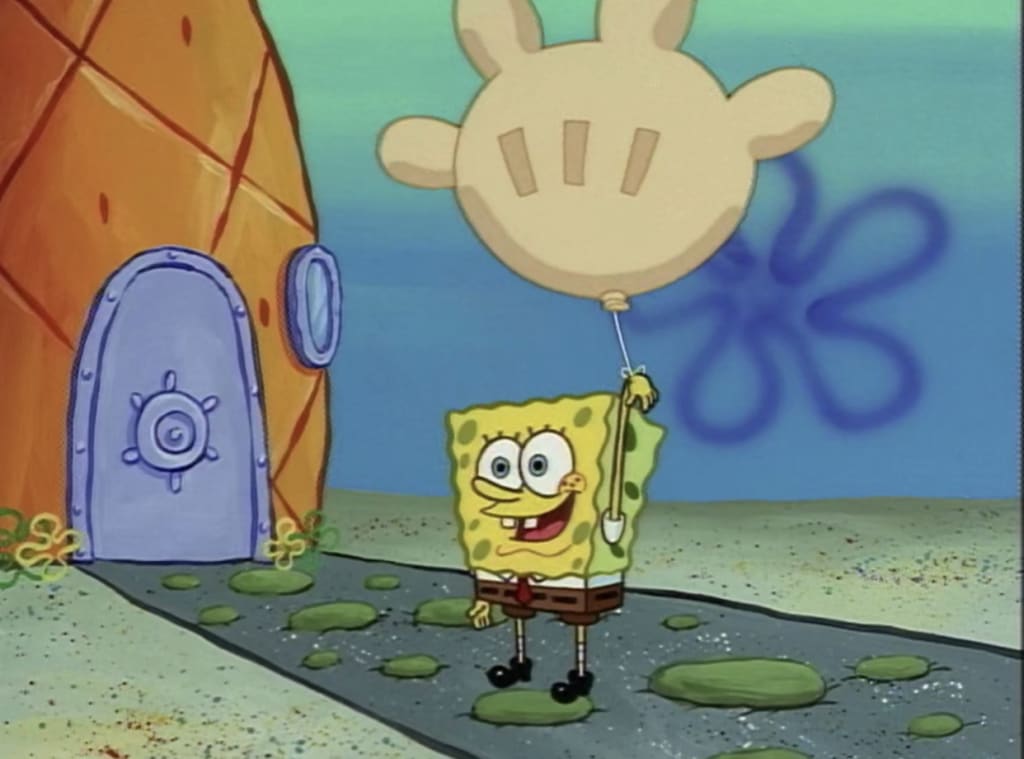
The episode “Rock Bottom” opens with SpongeBob’s innocent optimism as he eagerly awaits the evening bus home from Glove World, only to be thwarted by an unexpected schedule change that forces him onto a seemingly innocuous, half‑empty vehicle. The moment the bus lurches away from the familiar streets of Bikini Bottom, the animation subtly shifts to a dimmer, cooler palette, signaling the transition into an unfamiliar, almost alien undersea metropolis. As the bus careens through a tunnel of bioluminescent kelp and the eerie hum of distant machinery grows louder, SpongeBob’s initial confusion gives way to a palpable sense of dread, expertly captured by his wide‑eyed, panicked expressions and the muffled, echoing voices of the townsfolk that seem to speak an incomprehensible, garbled dialect. This opening sets the stage for a meticulously crafted narrative where the simple act of taking the wrong bus becomes a metaphorical plunge into a world where every signpost, every vendor, and every stranger is a reminder of how disorienting an unfamiliar environment can be for an otherwise carefree soul.
As SpongeBob fumbles through the labyrinthine streets of Rock Bottom, the episode’s humor evolves from slapstick mishaps—such as the infamous “bus driver’s” endless loop that keeps throwing him back onto the same route—to more sophisticated, situational comedy that underscores the absurdity of bureaucratic red tape in a seemingly dystopian undersea city. The writers cleverly employ recurring motifs, like the omnipresent ticket machine that refuses to accept any form of payment and the “crawling” creatures that appear to be both friendly and menacing, thereby creating a rhythm of tension and release that keeps viewers on edge while still delivering laugh‑out‑loud moments. The animation shines here, with exaggerated perspective shots that make the towering, neon‑lit storefronts feel both imposing and comically oversized, while the sound design—particularly the incessant, echoing “ding” of the bus stop sign—adds a layer of auditory satire that mirrors SpongeBob’s growing frustration. Moreover, the episode’s pacing is masterfully calibrated: each failed attempt to leave Rock Bottom is punctuated by a brief, frantic chase or a miscommunication that escalates the comedic stakes, ensuring that the humor never feels stale despite the repetitive premise.
Beyond its surface comedy, “Rock Bottom” functions as a poignant commentary on the anxiety of being lost in an unfamiliar cultural or geographic landscape, a theme that resonates with both children and adult viewers alike. SpongeBob’s repeated misinterpretations of the local language—where even a simple “goodnight” is garbled into an unintelligible string of clicks—serve as an allegory for the alienation felt by newcomers in any foreign environment, while the relentless bus that seems to exist solely to thwart his escape reflects the often‑circular nature of bureaucratic obstacles that trap individuals in limbo. The episode further explores the concept of perseverance; despite the mounting obstacles, SpongeBob’s unyielding optimism—embodied in his relentless shouting of “I’m ready!” despite the absurd odds—exemplifies a resilience that encourages viewers to keep pushing forward, even when every attempt feels futile. This nuanced layering of thematic depth beneath the cartoon’s playful exterior exemplifies the show’s ability to convey sophisticated ideas without sacrificing entertainment value.
In sum, “Rock Bottom” stands as one of the most memorable entries in the SpongeBob SquarePants canon, successfully melding a tightly woven plot, sophisticated humor, and resonant thematic undercurrents into a cohesive whole that rewards both casual viewers and more discerning fans. The episode’s visual style, with its stark contrast between the cozy familiarity of Bikini Bottom and the stark, neon‑bathed corridors of Rock Bottom, creates an unforgettable aesthetic that underscores the narrative’s tension. Its clever use of recurring gags—such as the perpetually looping bus and the impenetrable ticket machine—coupled with a heartfelt message about perseverance and adaptation, elevates it beyond a simple comedic vignette to a cultural touchstone that continues to be referenced and dissected years after its original airing. Ultimately, “Rock Bottom” not only delivers endless laughs but also invites reflection on the universal experience of navigating the unknown, solidifying its status as a timeless masterpiece within the animated television landscape.
About the Creator
Forest Green
Hi. I am a writer with some years of experiences, although I am still working out the progress in my work. I make different types of stories that I hope many will enjoy. I also appreciate tips, and would like my stories should be noticed.
Keep reading
More stories from Forest Green and writers in Geeks and other communities.
SpongeBob Review
The episode “Arrgh!” opens with an exuberant Mr. Krabs sees Spongebob and Patrick playing with a treasure map at the Krusty Krabs and he joins in on the fun. It was inspired by an ancient, barnacle‑covered map he claims was salvaged from the wreckage of the legendary Flying Dutchman’s galleon, instantly igniting the imaginations of SpongeBob and Patrick. The writing cleverly balances the classic pirate tropes—rum‑filled taverns, mutinous parrots, and cursed doubloons—with the sea‑sponge universe’s trademark absurdity, such as a treasure chest that contains nothing but a collection of lost spatulas and a perfectly preserved Krabby Patty formula. The pacing in the first act is deliberately brisk; each scene transition is punctuated by a rapid-fire gag, yet the narrative never feels rushed, allowing the audience to absorb the visual gags, the exaggerated swash‑buckling poses, and the delightfully over‑the‑top voice‑over narration that mimics old radio adventure serials. This careful construction sets up a compelling premise that promises both high‑stakes adventure and the familiar comedic heart of Bikini Bottom.
By Forest Greenabout 7 hours ago in Geeks
Review of Season 2 of Paradise: Sterling K. Hulu's expansive post-apocalyptic revival is led by Brown.
On February 23, 2026, the highly anticipated second season of the popular Hulu show Paradise brought viewers back into its post-apocalyptic world and expanded its narrative in ways that have garnered praise and criticism from viewers and critics alike. The series starring Sterling K. has a broader scope, new characters, and a shift in tone. Brown's performance as Xavier Collins, a Secret Service agent, continues to investigate survival, human connection, and the emotional cost of disaster. Season 2 debuted with "three episodes available immediately" on Hulu and Disney+. It will continue with weekly episodes through an eight-episode arc, similar to how the first season was structured.
By Raviha Imran6 days ago in Geeks



Comments
There are no comments for this story
Be the first to respond and start the conversation.