
I Can Only Imagine 2: A Story of Redemption That Still Resonates
An intimate continuation of Bart Millard’s journey, exploring faith, grief, and the quiet perseverance required after redemption becomes reality
When I Can Only Imagine premiered in 2018, few predicted just how deeply it would connect with audiences. Made on a modest budget, the film went on to become one of the most successful faith-based dramas of all time. Its emotional core — forgiveness, reconciliation, and the transformative power of grace — struck a chord far beyond church walls.
Now, with I Can Only Imagine 2, the story continues. Rather than simply recreating the formula of its predecessor, the sequel explores the ongoing journey of healing, legacy, and the complicated reality of living out the redemption you’ve already received.
This isn’t just another inspirational biopic. It’s a meditation on what happens after the miracle.
The Legacy of a Song That Changed Everything
The original film followed the life of Bart Millard, frontman of MercyMe, and the painful childhood that inspired the band’s iconic hit, I Can Only Imagine. At the heart of that story was Bart’s strained and ultimately redeemed relationship with his father, a journey that culminated in the creation of a song that would become one of the most played Christian tracks in history.
The sequel picks up where that emotional crescendo left off.
Because forgiveness is powerful — but it’s not always the end of the story.
What I Can Only Imagine 2 Explores
If the first film was about confronting the past, the second is about living with it.
In I Can Only Imagine 2, Bart faces new pressures: success, expectation, and the weight of being “the guy who wrote that song.” Fame, even within Christian music, brings complications. Touring strains relationships. Personal grief resurfaces. Old wounds — though forgiven — still leave scars.
The film reportedly dives deeper into:
- The complexities of grief after reconciliation
- The challenges of sustaining faith under public scrutiny
- Marriage and family tensions amid relentless touring
- The fear of not being able to create something meaningful again
Rather than offering a neatly wrapped testimony, the sequel acknowledges a difficult truth: redemption doesn’t eliminate struggle. It transforms how we walk through it.
A More Mature Emotional Tone
Where the first movie leaned heavily into catharsis, I Can Only Imagine 2 carries a quieter emotional gravity.
The narrative reflects a more seasoned perspective — not just from its characters, but from its audience. Many viewers who connected with the original film have since experienced their own seasons of loss, change, and uncertainty. The sequel seems designed to meet them there.
The storytelling reportedly avoids melodrama in favor of authenticity. Faith is present, but not packaged. Doubt exists alongside devotion. And growth appears less like a dramatic breakthrough and more like daily perseverance.
That tonal shift may ultimately define the film’s legacy.
The Weight of Expectation
Sequels are always risky, particularly when the original film holds strong emotional significance. For many, I Can Only Imagine was personal. It represented healing in their own families, courage in confronting the past, or renewed faith.
The second installment must navigate those expectations carefully.
Yet there’s something compelling about revisiting Bart Millard’s life beyond the breakthrough moment. Biographical storytelling often ends when success begins. But real life doesn’t.
What happens when the applause fades?
What happens when grief returns?
What happens when faith feels less cinematic and more ordinary?
These questions make the sequel feel necessary rather than opportunistic.
Redemption as an Ongoing Process
One of the most profound elements of the original film was its portrayal of Bart’s father’s transformation. It offered viewers a powerful image of late-in-life redemption — a reminder that it’s never too late for grace.
The sequel builds on that theme but shifts the focus inward. Instead of asking whether someone else can change, it asks whether we can continue changing ourselves.
Forgiveness is a moment.
Character is a lifetime.
In that sense, I Can Only Imagine 2 becomes less about a specific song and more about the long road of faithfulness. It explores how we carry painful histories without letting them define our future.
And perhaps most importantly, it acknowledges that healing isn’t linear.
The Broader Impact on Faith-Based Cinema
Faith-based films have often struggled with predictability. Audiences can anticipate the turning point, the prayer scene, the swelling music. While those elements still resonate with many viewers, there’s growing demand for more layered storytelling.
The original film proved that faith-centered stories can reach mainstream audiences without sacrificing sincerity. The sequel appears to push that evolution further.
By embracing nuance, emotional complexity, and imperfect faith, I Can Only Imagine 2 reflects a maturing genre. It suggests that Christian cinema doesn’t have to choose between conviction and authenticity — it can hold both.
If successful, the film could help redefine expectations for future projects within the genre.
Why This Story Still Matters
At its core, I Can Only Imagine 2 isn’t about celebrity, chart-topping songs, or even the music industry.
It’s about what happens when the defining moment of your life is behind you.
Many people live in the shadow of one major event — a triumph, a tragedy, a breakthrough. But life doesn’t end there. The sequel speaks directly to that in-between space: the everyday choices, the small acts of faithfulness, the quiet resilience required to keep going.
In a culture obsessed with viral moments and overnight success, that message feels particularly relevant.
It reminds us that the most meaningful growth often happens offstage.
A Film for Those in the “After”
The first film resonated strongly with those longing for reconciliation. The second seems aimed at those living in the aftermath — after forgiveness, after loss, after success.
It offers a different kind of hope.
Not the lightning-strike miracle.
But the steady, enduring grace that carries people through ordinary days.
For longtime fans of MercyMe and new viewers alike, the sequel presents an opportunity to reflect on personal journeys. Where have you experienced healing? Where are you still waiting? What does faith look like when it’s not dramatic?
These are questions the film invites without forcing answers.
Final Thoughts
Sequels often struggle to justify their existence. But I Can Only Imagine 2 has a built-in advantage: it isn’t trying to recreate the original emotional crescendo. Instead, it dares to explore what comes next.
That choice alone sets it apart.
By focusing on sustained redemption rather than a single turning point, the film embraces a deeper and arguably more universal truth — that faith is not just about breakthrough moments, but about persistence.
For audiences who were moved by the first film, this continuation offers something quieter but equally powerful.
Not just a reminder that change is possible.
But that living changed is the real story.
And sometimes, that story is even more compelling than the song that started it all.
About the Creator
Keep reading
More stories from Alex Bloomfield and writers in Geeks and other communities.
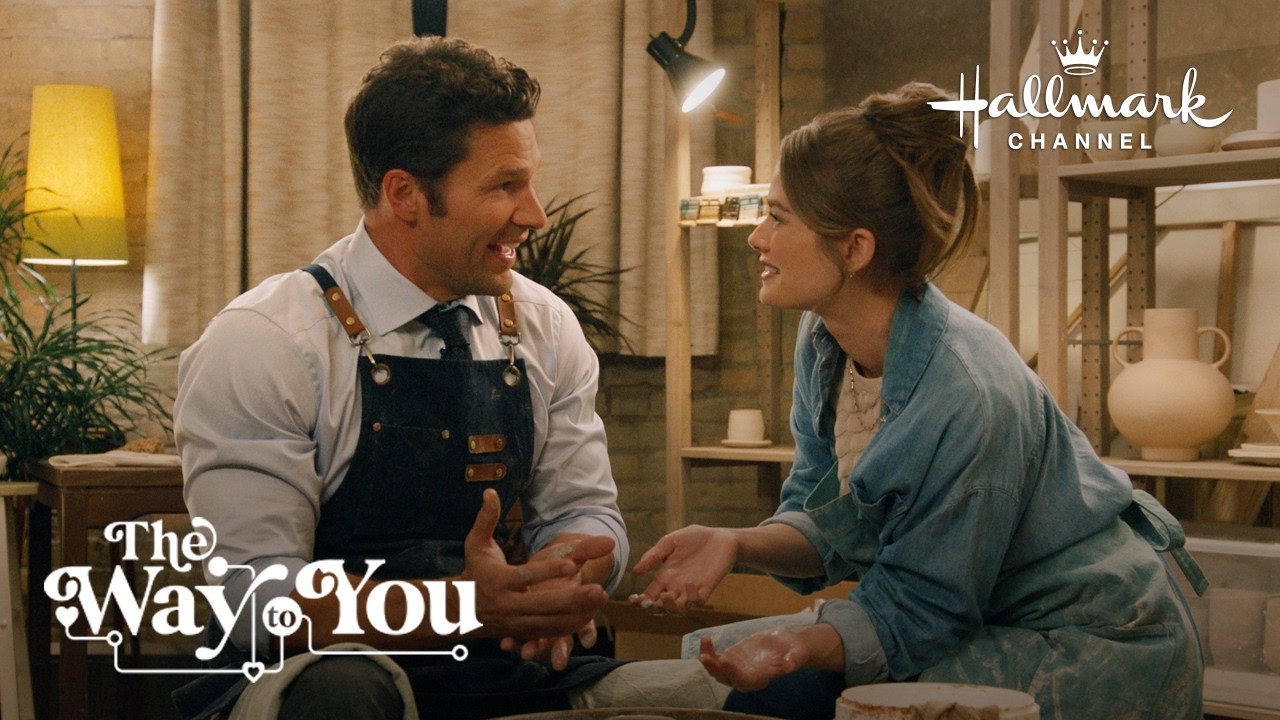
The Way to You: A Tender Exploration of Love, Loss, and Second Chances
Romantic dramas often promise sweeping declarations and grand gestures, but The Way to You takes a quieter, more introspective path. Rather than centering on dramatic twists or high-concept romance, the film lingers in the fragile spaces between people — the unsaid words, the unresolved grief, and the quiet courage it takes to try again.
By Alex Bloomfield2 days ago in Geeks
Goodbye, Mr. Duvall
It is turning out to be an interesting year. I was in the middle of teaching a class when a pop-up appeared on the screen announcing the death of Mr. Robert Seldon Duvall (yes, that was his full name). I was in the middle of a discussion on the obsession we have with winning when it comes to sports (the Winter Olympics was a theme), and I felt as though things were coming full circle. We had already lost Gene Hackman last year, and along with that titan, it feels though one particular golden age has closed off to be replaced by...?
By Kendall Defoe 6 days ago in Geeks
Spongebob Review
The "Hall Monitor" episode of SpongeBob SquarePants has a simple yet classic premise: SpongeBob, having finally earned his hall monitor badge after an exhaustive test, is brimming with an almost terrifying enthusiasm for enforcing school rules. His transformation from cheerful fry cook to a rigid, power-drunk authority figure is instantaneous and absolute. He immediately begins patrolling the halls of the boating school with militaristic precision, his once-friendly demeanor replaced by a stern, pencil-pushing rigidity as he mercilessly issues citations for the most minor infractions, from improper shoe-tying to walking in a straight line. This rapid descent into bureaucratic tyranny sets the stage for the episode’s central chaos, showcasing how a good-natured character can become dangerously comical when given a tiny sliver of power, all while his friend Patrick looks on with bemused confusion.
By Forest Green3 days ago in Geeks
A Gathering of Evil Bosses
“I’m the queen of chin jutting while I smooth my hair, attacking, insulting, and deflecting to protect my appointer.” “Oh, please, Blondi, my hair is curled, highlighted, and longer than yours. I feature television commercials telling immigrants that we will give them a free plane ride home, and if they voluntarily turn themselves in, they will be allowed to legally apply for re-entry. It runs everywhere, and I look good in it! You can’t compete because of your blond hair. Mine is nicer, and my lips are prettier than yours.”
By Andrea Corwin 4 days ago in The Swamp



Comments
There are no comments for this story
Be the first to respond and start the conversation.