
From Variants to Legacy
A Radical, Practical Plan For How Libraries, Bookstores, and Comic Shops Can Rebuild the Reader Pipeline, Reduce Over-Consumerism, and Restore Comics as Public Culture

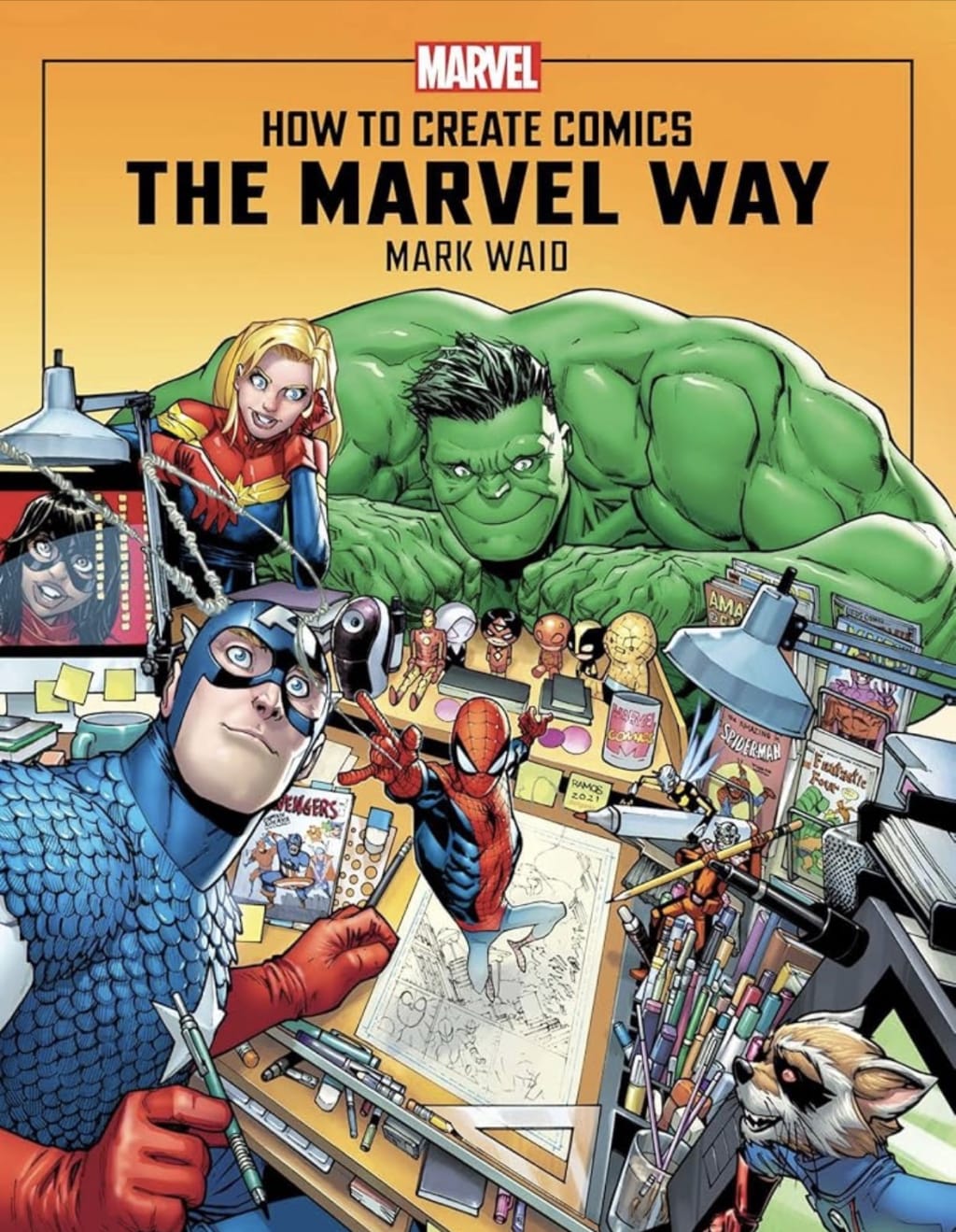
This idea didn’t come from a panel, a publisher, or a Comic-Con keynote. It came from a comment section.
After I published my article about how comic shops don’t need more collectors but more readers, I came across a comment that quietly reframed the entire conversation. The commenter pointed out something that, in hindsight, feels almost obvious: libraries are often the genuine point of entry for new comic readers, not comic shops.
And that one small observation unlocked a much bigger realization for me.
The Western comic industry doesn’t really have a content problem. It has an infrastructure problem.
We keep trying to “fix” comics by tweaking formats, prices, marketing strategies, cinematic universes, and collectible gimmicks. But almost no one is asking the deeper question: “Where are the new comic readers actually supposed to come from?”
Because right now, there is no proper system for that.
The Reader Crisis Nobody Wants to Say Out Loud
The modern comic ecosystem is built around an aging, shrinking audience that is already deeply invested in the medium. Publishers and retailers mostly optimize for:
- Variants
- Limited editions
- Speculation
- Nostalgia
- Brand loyalty
The industry is structured to extract more money from the same group of people repeatedly.
That’s not inherently evil. It’s just not sustainable.
It’s a business model designed around collectors, not around new readers.
And for someone who has never read comics before, the barrier to entry is honestly kind of absurd:
- Confusing continuity
- High prices for single issues
- Intimidating store culture
- Hyper-specialized fandom
- And a collector economy that treats stories like financial assets.
We’ve accidentally turned a mass cultural medium into a boutique hobby.
Which leads to the real problem: Comics don’t lack fans. They lack a public onboarding system.
Libraries Are the Most Underused Asset in Comics
You look at how every other medium creates new audiences; the pattern is apparent:
- Novels = libraries
- Music = schools, public radio, streaming
- Film = public screenings, streaming
- Video games = demos, digital access
Mass culture survives through free or low-cost exposure.
Libraries already function as:
- Literary institutions
- Youth cultural hubs
- Discovery spaces
- Community infrastructure
And yet, comics treat libraries like an afterthought.
Most libraries carry:
- A handful of graphic novels
- Limited Manga
- Small or outdated collections
- Slow acquisition cycles
Comic shops and bookstores are sitting on mountains of:
- Unsold floppies
- Overstock trades
- Remaindered manga
- Discontinued series
- “$1 bin” material that will probably never move
Which raises a genuinely strange question: Why is cultural material dying on retail sales while libraries struggle to offer access?
Cultural Recycling: Turning Dead Stock Into Readers
What I’m proposing isn’t charity. It’s a cultural infrastructure.
Imagine a public-facing system where:
- Comic shops offer unsold stock
- Bookstores do the same with manga and graphic novels
- Libraries issue public calls for participation
- Publishers support the logistics.
Not framed as “donations”, but as community circulation partnerships for youth literacy and arts education.
In retail terms, this turns sunk costs into reader acquisition. In cultural terms, it turns wasted inventory into public access.
A comic that never sells is economically dead. The same comic in a library can create:
- A lifelong reader
- A future creator
- A new customer
- A new cultural participant
That’s not a loss. That’s a return on culture.
Manga Already Proved This Works
There’s a reason manga dominates library circulation.
Manga is:
- Binge-friendly
- Accessible
- Serialized but coherent
- Visually intuitive
Affordable in collected form
Manga didn’t win because it had “better marketing”. It won because it was easier to read and easier to access.
Libraries normalized manga long before TikTok did.
Western comics tried to grow through:
- IP
- Movies
- Nostalgia
- Variants
- Collector culture
Which creates fans of characters, not fans of comics as a medium.
The Variant of Economy and Over-consumerism
Cover variants aren’t evil. But they are a symptom of something deeper.
Variants thrive under one condition: When access to stories is limited, ownership becomes compulsive.
If reading is expensive and gated:
- People buy multiple copies
- Chase exclusivity
- Feel FOMO
- Speculate
- Hoard
That’s not organic fandom—that’s market psychology.
Libraries introduce something the variant economy hates–functional abundance.
When people can read the same story for free:
- Urgency collapses
- Speculation weakens
- Reading becomes separate from buying
- Stories become the point again
Libraries don’t kill markets. They create voluntary markets instead of forced ones.
People buy because they love something. Not because they’re afraid of missing it. That’s healthier for readers, creators, and, honestly, even retailers.
From Reader to Creator: The Missing Pipeline
Here’s the part the industry rarely talks about.
There is no mass system for producing new comic creators.
If a kid wants to work in comics today, the path usually looks like:
- Draw alone
- Post online
- Maybe go to art school
- Maybe get noticed
- Maybe burn out.
That’s not a pipeline. That’s a lottery.
Now imagine this instead: library comic labs as public programs where kids and young people learn:
- How to read comics
- Visual storytelling
- Writing scripts
- Panel composition
- Character design
Then, comic shops can serve as creative hubs that host:
- Creator nights
- Zine fairs
- Portfolio reviews
- Mini-comic showcases
- Mentorship sessions.
And bookstores become distribution nodes that support:
- Youth anthologies
- Local creators
- Self-published comics
Suddenly, comics function like:
- Writing workshops
- Film clubs
- Music programs
- Game development communities
Like a real creative field.
The Industry Angle Nobody Talks About
Companies like Marvel and DC don’t just need fans.
They need talent pipelines.
Every creative industry survives by:
- Training new workers
- Scouting fresh voices
- Renewing itself culturally
What this model quietly creates is:
- Workforce development
- Arts education
- Creator diversity
- IP sustainability
Libraries, shops, and bookstores become a decentralized comics academy without tuition, without gatekeeping, and without elitism.
The Real Reframe
Comics used to be:
- Cheap
- Disposable
- Mass culture
- Widely accessible
Now they’re:
- Boutique
- Speculative
- Collector-driven
- Culturally gated
We didn’t lose readers because people stopped liking stories.
We lost readers because we made the medium harder to enter.
Libraries reverse that.
They don’t abolish markets. They abolish paywalls to literacy.
They turn comics back into:
- Shared culture
- Public texts
- Creative tools
- Not investment vehicles
The Thesis, In Plain Language
If comics want to survive as a medium instead of a speculative hobby, they have to:
- Prioritize access over ownership
- Prioritize circulation over scarcity
- Prioritize readers over collectors
Comic shops shouldn’t compete with libraries. They should collaborate with them.
Bookstores shouldn’t treat unsold stock as waste. They should treat it as cultural seed material.
Publishers shouldn’t chase only aging fans. They should build public creative infrastructure.
Because culture doesn’t survive by being hoarded. It survives by being read, shared, taught, and remade.
About the Creator
Jenna Deedy
Just a New England Mando passionate about wildlife, nerd stuff & cosplay! 🐾✨🎭 Get 20% off @davidsonsteas (https://www.davidsonstea.com/) with code JENNA20-Based in Nashua, NH.
Instagram: @jennacostadeedy
Keep reading
More stories from Jenna Deedy and writers in Geeks and other communities.
Disney’s Next Era: A Fan-Centered, Creator-Driven Vision for the Company That Once Imagined the Future.
Disney is at a crossroads. Not in the dramatic “end of an era” way people say every few years, but in a quieter, more important way. Disney has more money, more platforms, and more fandom franchises than ever before, and yet something feels off.
By Jenna Deedy9 days ago in Geeks
No Other Choice (2025)
It is only February, so other films may well surpass “No Other Choice”, but I think this is the best film I’ve seen so far this year. And that surprises me, because, it is a subtitled film and while I am pretentious enough to choose to watch foreign-language films, I was also very tired and that was an extra commitment from me. But more importantly, let me warn you, this film is gruesome and violent. There were times I had to turn away from the screen to avoid the worst of it (including some self-inflicted dentistry).
By Rachel Robbins6 days ago in Geeks
Augmented Reality Mobile App Development: Your Partner (2026)
Augmented Reality is no longer a futuristic concept reserved for sci-fi movies or experimental tech labs. In 2026, AR has quietly embedded itself into everyday mobile experiences—from how people shop and learn to how businesses train teams and engage customers. What once felt like a novelty has now become a practical, revenue-driven technology.
By Sherry Walker5 days ago in Geeks



Comments (1)
I love your perspective on this.