
Preserving the Dead: Unveiling the Mummification Process
Mummification, the preservation of deceased bodies, has been practiced in various cultures throughout history for different reasons. In the ancient world, mummification was used to prepare the dead for the afterlife, while in other cultures, it served practical purposes such as preserving bodies for scientific research. In this article, we will delve deeper into the process of mummification, its history, purpose, and significance in different cultures, as well as modern-day innovations, controversies, and the importance of preserving mummies.

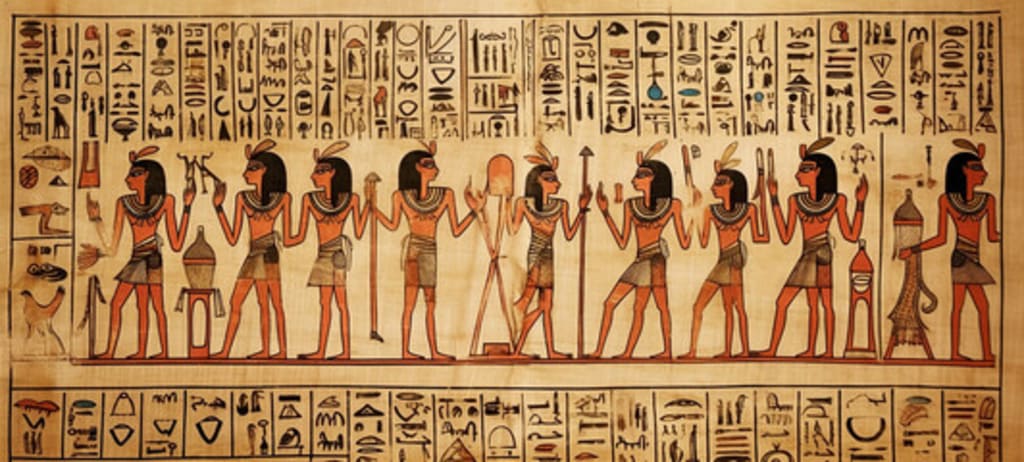
Mummification, the preservation of deceased bodies, has been practiced in various cultures throughout history for different reasons. In the ancient world, mummification was used to prepare the dead for the afterlife, while in other cultures, it served practical purposes such as preserving bodies for scientific research. The mummification process itself involves intricate steps that have been improved upon over the years through scientific research and modern technology. In this article, we will delve deeper into the process of mummification, its history, purpose, and significance in different cultures, as well as modern-day innovations, controversies, and the importance of preserving mummies.
1. The History of Mummification throughout Different Cultures
Origins of Mummification
Mummification is the process of preserving a dead body to prevent natural decay. Although humans have been preserving dead bodies for thousands of years, the practice of mummification is most commonly associated with ancient Egypt. However, mummification was also practiced in other cultures, such as the Incas, the Chinese, and the Persians.
The oldest mummies that have been discovered are from South America and are believed to be around 7,000 years old. The ancient Chinchorro culture in Chile mummified their dead by removing the organs and muscles and replacing them with plant fibers. The Persians also practiced a form of mummification, using honey instead of embalming fluids.
The Use of Mummification in Different Cultures
Mummification served various purposes in different cultures. In ancient Egypt, it was believed that mummification preserved the body for the afterlife, which was an important part of their religion. In China, mummification was reserved for the wealthy and was seen as a way to ensure a good afterlife. In the Incan culture, mummification was primarily used for religious purposes, as they believed their dead ancestors could continue to protect and guide them.
Mummification was not always reserved for humans. The Egyptians also mummified animals, especially cats, and the Incas mummified llamas. Egyptians believed that mummified animals could serve as companions to the dead in the afterlife, while the Incas believed that mummified llamas could be used as offerings to their gods.
2. The Science behind Mummification: A Step-by-Step Process
The Basic Steps of Mummification
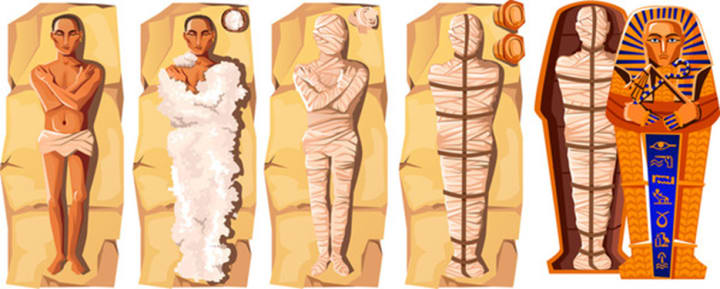
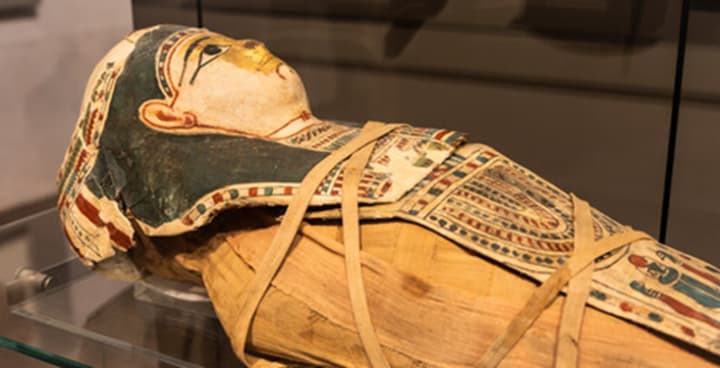
The process of mummification involves several steps. The first step is to cleanse the body, usually with a solution of natron, a naturally occurring salt. After that, all internal organs except the heart are removed and placed in canopic jars. The body is then dried with a mixture of natron and other drying agents, which removes all moisture from the body. Finally, the body is wrapped in linen bandages and placed in a sarcophagus.
The Chemicals Used in Mummification
The ancient Egyptians used several chemicals in the mummification process. Natron was the primary chemical used to dry out the body, but other chemicals, such as resin and oils, were also used to help preserve the body and prevent decay.
The Role of Canopic Jars in Mummification Process
Canopic jars were used to hold the internal organs of the deceased during the mummification process. Each jar was associated with a different god and had a specific shape and design. The liver was placed in a jar with the head of a jackal, the lungs were placed in a jar with the head of a falcon, the stomach was placed in a jar with the head of a human, and the intestines were placed in a jar with the head of a baboon.
3. The Purpose of Mummification: Religious, Cultural, and Practical Reasons
Religious Significance of Mummification
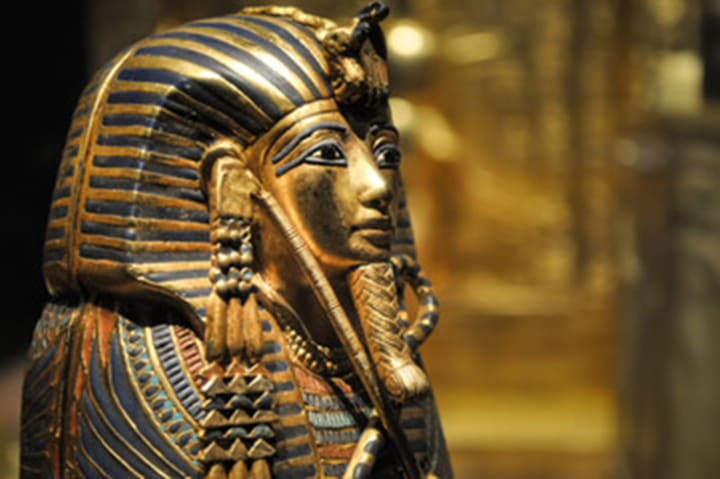
In ancient Egypt, mummification was closely tied to religion. Egyptians believed that the body needed to be preserved to ensure a successful afterlife. They believed that the soul needed a physical body to return to after death, which is why they took great care in preserving the body.
The Cultural Role of Mummification
Mummification played a significant role in the culture of many ancient civilizations. For example, in the Incan culture, mummified bodies were kept in temples and were believed to be able to communicate with the living. Mummies were also seen as a symbol of power and status, as only the wealthy and powerful could afford to be mummified.
The Practical Uses of Mummification
Mummification also served practical purposes, such as allowing for the transportation of bodies over long distances. In the case of the Incas, mummification allowed for the preservation of bodies in the high-altitude regions where they lived.
4. Mummification in Ancient Egypt: Techniques and Beliefs
The Importance of the Afterlife in Ancient Egyptian Beliefs
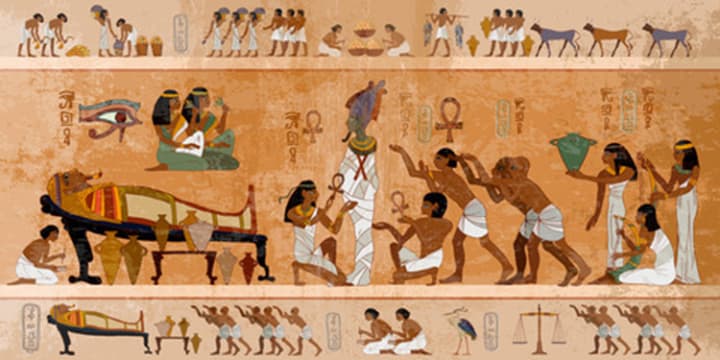
The ancient Egyptians believed in an afterlife, and mummification was a way of ensuring that the body could be preserved for that afterlife. They believed that the soul needed a physical body to live in, which is why they went to such great lengths to preserve the body.
The Techniques of Mummification in Ancient Egypt
The ancient Egyptians had a complex process for mummification. After the organs were removed, the body was packed with natron and other drying agents, which were changed every few days. The body was then washed and anointed with oils and resins. Finally, the body was wrapped in layers of linen bandages.
The Significance of the Egyptian Book of the Dead
The Egyptian Book of the Dead was a collection of religious texts that were used in mummification and burial rituals. The book contained spells and instructions for the deceased to navigate the afterlife. It was believed that the book would help the soul of the deceased to reach the afterlife and be judged by the god Osiris.
5. The Role of Embalmers in the Mummification Process
The Social Standing of Embalmers in Ancient Societies
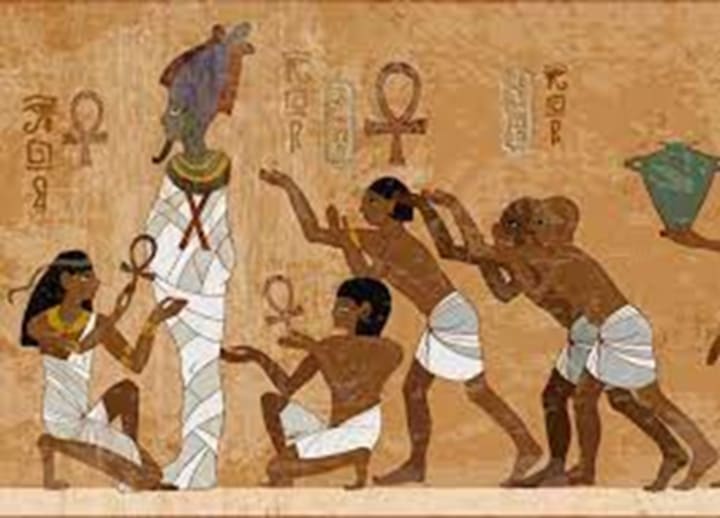
Embalmers played a significant role in the mummification process and had considerable social standing in ancient societies. In Egypt, they were considered high-ranking members of society and enjoyed privileges similar to those of the priests, nobles, and royals.
The embalmers' reputation for preserving the dead was so highly regarded that they were often called upon to embalm bodies for people from other countries. As a result, they often traveled far and wide to perform their critical duties and were well compensated for their services.
Tools and Instruments Used in Mummification
Embalmers used a range of tools and instruments during the mummification process. These included knives, hooks, copper rods, scoops, and resin. Each tool had a specific function, and embalmers had to be skilled in their use to ensure that the process went smoothly.
For instance, the bronze hooks were used to reach inside the brain cavity and pull out the brain. The copper rods were inserted through the nose to break the brain into small pieces, making it easier to remove. Scoops were used to remove the internal organs, while resin was applied to preserve the body's shape and prevent decomposition.
The Rituals and Ceremonies Involved in Mummification
Mummification was a sacred process that involved various rituals and ceremonies. The embalmers were responsible for carrying out these activities, which included reciting prayers, burning incense, and performing purification rituals on the body.
The Egyptians believed that the mummification process was crucial for the deceased to have a successful afterlife. Consequently, embalmers carefully followed specific procedures to ensure that the body was preserved correctly. These ceremonies and rituals were intended to ensure that the deceased's soul would be able to find its way to the afterlife.
6. Modern Day Mummification: Innovations and Controversies
The Use of Modern Technology in Mummification
In modern times, mummification has been transformed by the use of modern technology. Modern techniques are more efficient and have a higher success rate in preserving bodies. For example, some companies now offer a process whereby they replace the body's fluids with a special formula that completely dries out the corpse.
Other companies use a process called plastination, where they remove all the bodily fluids and replace them with synthetic resins that harden to form a plastic-like substance. This process results in a perfectly preserved body that can last for many years.
Controversies and Ethical Issues Surrounding Mummification
Despite the advances in modern-day mummification, it is still a highly controversial practice. There are ethical issues surrounding whether it is right to preserve and display human remains. Furthermore, some critics argue that mummification is a violation of the dead person's dignity and that it goes against their religious beliefs.
The Role of Mummification in Modern Funerary Practices
Despite the controversies surrounding mummification, it has become an increasingly popular choice in modern funerary practices. People who choose to be mummified generally do so because they want to preserve their bodies as a legacy or because they believe that it will help them achieve a successful afterlife.
7. The Significance of Mummies in Scientific Research
The Scientific Findings from the Study of Mummies
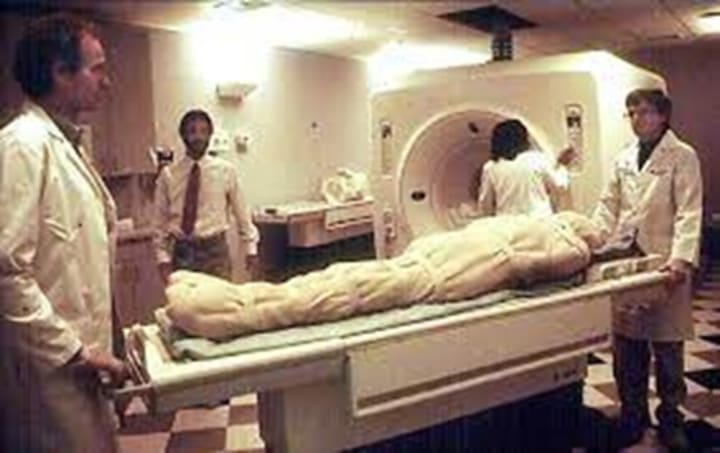
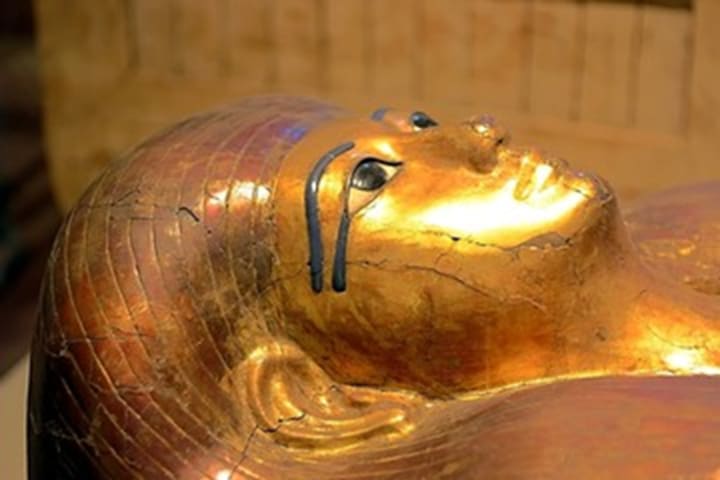
Mummies have become a crucial source of information on the ancient world. Scientists can learn about ancient cultures, lifestyles, and medical practices by studying mummies. For example, scientists have been able to understand the diets, medical conditions, and causes of death of ancient people by examining their mummified remains.
Additionally, scientists have been able to extract DNA from mummies and use the information to trace human migration patterns.
The Use of Mummies in Medical Research
Mummies have also played an essential role in medical research. Scientists have been able to detect the presence of diseases in ancient populations by studying mummified tissues and organs. For example, researchers have found evidence of heart disease, cancer, and tuberculosis in ancient mummies.
This research has helped doctors understand the evolution of diseases and develop new diagnostic and treatment methods.
The Study of Mummies as Artifacts of Cultural History
Mummies are also regarded as artifacts of cultural history. They provide insight into the beliefs, customs, and practices of ancient cultures. Mummies have been discovered all over the world, and each one has a unique story to tell.
Scientists and archaeologists continue to study mummies to learn more about the past and preserve the knowledge for future generations.
8. Conserving Mummies: Preservation Techniques and Challenges
The Importance of Preservation and Conservation
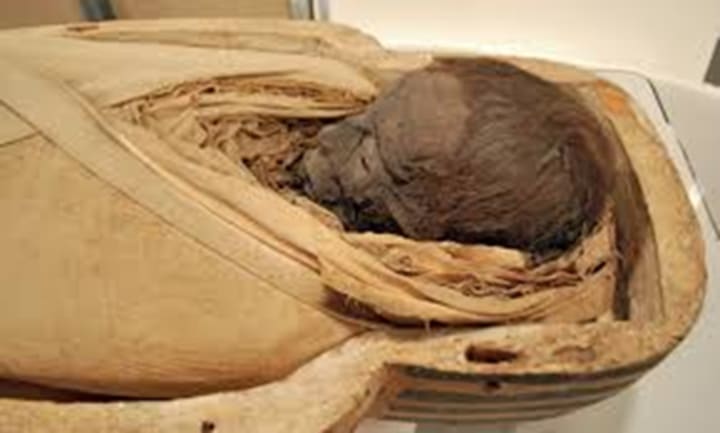
Mummies are delicate and require special care to ensure that they are preserved properly. Preservation and conservation are crucial to ensure that the mummies remain intact and are not damaged by exposure to light, moisture, and other environmental factors.
Conservation techniques include storing the mummies in controlled environments with low humidity, regulating temperature and lighting, and minimizing handling.
Challenges in Preserving Mummies
Preserving mummies poses several challenges, such as maintaining the proper environmental conditions, dealing with insect infestations, and preventing microbial growth. Additionally, some mummies are so fragile that they cannot be moved, making it difficult to provide adequate care.
Despite these challenges, preserving mummies is critical to preserving cultural heritage and advancing scientific research. As a result, conservationists are continually working to develop new techniques and methods to ensure that mummies are protected for future generations.
In conclusion, the practice of mummification has played a significant role in death rituals and scientific research throughout history. The process has been refined over time, but the preservation of the dead remains a complex and fascinating topic. Through the study of mummies, we can gain insight into the beliefs, customs, and technology of ancient civilizations and continue to make new discoveries in the field of scientific research.
About the Creator
Krishna raj
"If your dreams don't scare you, they're too SMALL"
Keep reading
More stories from Krishna raj and writers in FYI and other communities.
Enigma Unveiled: Understanding the Mystery behind the Voynich Manuscript
The Voynich Manuscript has been one of the most intriguing and mysterious manuscripts in the world for over a century. Despite numerous attempts by linguists, cryptographers, and historians, the manuscript has remained largely indecipherable to this day. The manuscript's illustrations and diagrams, along with its unknown language and script, have led to many speculations about its purpose and origins. In this article, we'll delve into the history, content, and theories surrounding the Voynich Manuscript, and explore recent breakthroughs and discoveries in the quest to unravel its secrets.
By Krishna raj3 years ago in FYI
Super Bowl LX Recap: A Team Called Hawks
Sixty. The Super Bowl turned 60! Still amazes me that this was the sixtieth Super Bowl played in NFL history. It seems like yesterday that I watched Super Bowl XXVII, the first SB I ever watched. The QB who won Super Bowl XXVII has since called a few SBs, and will call next year's game, but that's another story. Super Bowl LX took place at Levi's Stadium in Santa Clara, California, the home stadium of the San Francisco 49ers. However, it was one of their division foes who represented the NFC, as the Seattle Seahawks faced off against the New England Patriots.
By Clyde E. Dawkins2 days ago in Unbalanced



Comments
There are no comments for this story
Be the first to respond and start the conversation.