
The Nutritional Bar Market: How a Convenient Snack Became a Billion-Dollar Industry
From protein-packed gym staples to clean-ingredient wellness snacks, nutritional bars have transformed the way the world eats on the go — and the industry behind them is more competitive than ever.

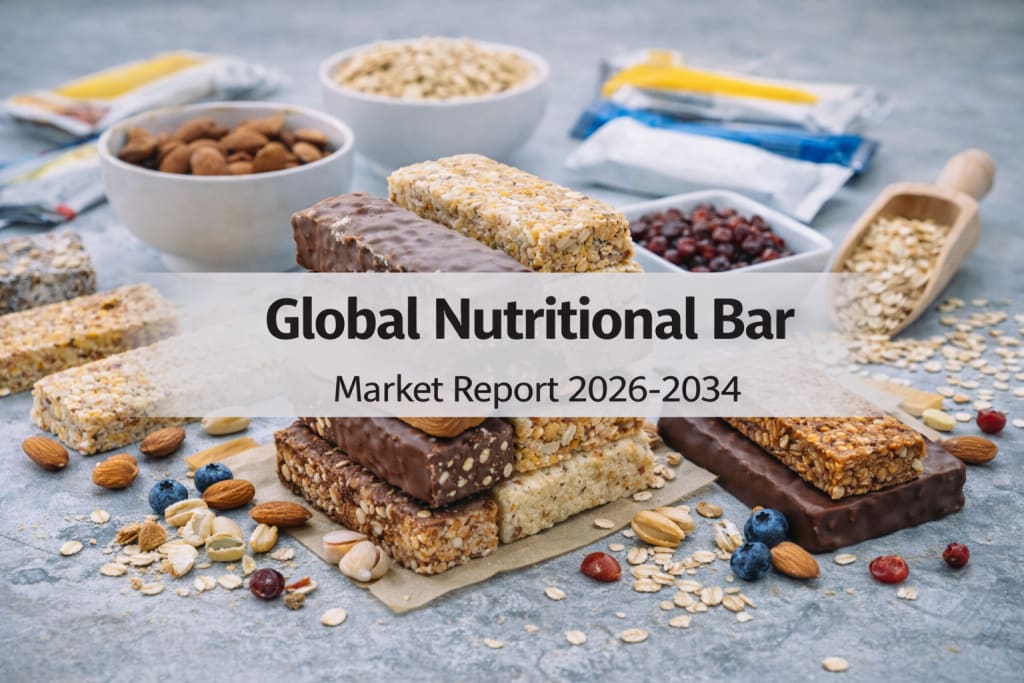
Think about the last time you grabbed a bar from a shelf — maybe at a gas station checkout, tucked beside your gym bag, or buried in your desk drawer for a mid-afternoon slump. That small, wrapped rectangle of compressed ingredients represents something much larger than a quick snack. It's a window into how modern consumers think about food, health, convenience, and identity.
The nutritional bar market has grown from a niche sports nutrition product into one of the most dynamic and fiercely competitive segments in the global food industry. And the forces driving that growth tell us something genuinely fascinating about how our relationship with eating is changing.
From Energy Bars to Everything Bars
The history of the nutritional bar is relatively short but surprisingly eventful. Early iterations in the 1980s and 1990s were squarely aimed at athletes and bodybuilders — dense, often chalky products engineered for calorie delivery and protein content, with little concern for taste or ingredients. They were functional, not enjoyable.
That began to change in the late 1990s and early 2000s as brands like Clif Bar, Luna, and later KIND reimagined what a bar could be. Taste mattered. Ingredients mattered. The product was no longer just for athletes — it was for anyone who wanted a smarter alternative to a candy bar or a bag of chips.
Today, the category has fragmented into a remarkable number of subcategories: protein bars, meal replacement bars, energy bars, fiber bars, keto bars, vegan bars, allergen-free bars, collagen bars, probiotic bars, and more. Each segment reflects a different consumer need, dietary philosophy, or wellness trend. The bar that once had one job — fuel a workout — now has dozens of identities, each targeting a specific slice of the health-conscious consumer market.
Get your Sample of Global Nutritional Bar Market Insights for Free
What's Driving the Boom
Several powerful trends have converged to make nutritional bars one of the fastest-growing snack categories in the world.
The most fundamental is the broader shift toward health and wellness in consumer culture. More people than ever are paying attention to what they eat, reading ingredient labels, and making deliberate choices about nutrition. Nutritional bars, positioned at the intersection of convenience and health consciousness, benefit directly from this shift.
The rise of busy, on-the-go lifestyles has been equally important. Traditional mealtimes have eroded for a significant portion of the global workforce. Commuters, remote workers, students, and travelers increasingly turn to portable food options that don't require preparation or utensils. A bar that can serve as breakfast, a post-workout snack, or an afternoon meal replacement fits seamlessly into that reality.
The explosion of specialized diets has also been a tremendous growth driver. The proliferation of ketogenic, paleo, plant-based, gluten-free, and other dietary frameworks has created demand for bars that cater specifically to each approach. Where once a few mainstream products dominated the shelf, consumers now expect to find an option that aligns precisely with their personal nutritional philosophy.
The Ingredient Transparency Revolution
Perhaps the most significant shift in the nutritional bar market over the past decade has been the demand for cleaner, more transparent ingredients. Consumers have grown increasingly skeptical of long ingredient lists filled with artificial sweeteners, sugar alcohols, synthetic additives, and ingredients they can't pronounce.
Brands that built their identities around whole foods, minimal processing, and honest labeling — KIND with its visible nuts and fruits, RXBar with its stark "No B.S." ingredient declaration on the front of the package — demonstrated that transparency could be a powerful competitive advantage. The market responded. Even legacy brands reformulated products to reduce artificial ingredients and simplify their labels.
This transparency trend has made ingredient sourcing a genuine strategic priority for bar manufacturers. Consumers increasingly want to know not just what's in their bar, but where it came from and how it was produced. Sustainably sourced cacao, fair-trade nuts, regeneratively farmed oats — these details have moved from specialty marketing territory to mainstream conversation.
A Crowded Shelf and What It Takes to Stand Out
The nutritional bar aisle is one of the most crowded spaces in food retail, and breaking through is genuinely difficult. Thousands of brands compete for shelf space and consumer attention, with new entrants launching constantly. Private label products from major retailers add further pressure, offering lower price points that challenge branded products to justify their premium.
In this environment, the brands winning are those with a clear, authentic identity — a specific consumer they understand deeply and a product that delivers on a genuine promise. Innovation in flavor, format, and function continues to open new opportunities, but authenticity remains the currency that converts first-time buyers into loyal customers.
A Market Still Hungry for Growth
The global nutritional bar market continues to expand, propelled by rising health awareness, innovative product development, and growing distribution in emerging markets where middle-class consumers are discovering the convenience category for the first time.
What started as a product for athletes training in gyms has become something far more universal — a daily companion for millions of people navigating busy lives with an eye on their health. That's a market with a long runway still ahead of it.
The nutritional bar market sits at the intersection of food innovation, wellness culture, and modern convenience — making it one of the most telling reflections of how contemporary consumers think about what — and why — they eat.
About the Creator
Keep reading
More stories from Frank Morgan and writers in Futurism and other communities.
Office Furniture Market 2026–2034: Trends Reshaping Modern Work Environments
The Office Furniture Market Is Changing, and So Is the Way We Work There's something quietly fascinating about office furniture․ It's not the kind of thing most people think about until they've sat in the wrong chair for the fifth hour in a row and the back's starting its quiet protest․ But behind that awkward moment is a multibillion-dollar industry undergoing one of the most drastic transformations it has seen in its history․
By Frank Morgana day ago in Futurism
Caustic Soda Market Trends: Chlor-Alkali Demand, Industrial Applications & Forecast to 2034
Growing demand from aluminum refining, expanding pulp and paper production, and rising water treatment requirements are driving steady expansion in the caustic soda market, supported by industrial growth in textiles and chemicals, membrane cell technology adoption, and increasing environmental regulations favoring sustainable production methods. According to IMARC Group's latest data, the global caustic soda market size was valued at 84.4 Million Tons in 2025. Looking forward, IMARC Group estimates the market to reach 95.9 Million Tons by 2034, exhibiting a CAGR of 1.39% during 2026-2034. Asia-Pacific currently dominates the market.
By Suhaira Yusuf3 days ago in Futurism
Inkjet Printers Market: Mobile & Cloud Printing Integration, Seamless Connectivity & Growth Outlook
According to IMARC Group's latest research publication, the global inkjet printers market size reached USD 50.9 Billion in 2024. Looking forward, IMARC Group expects the market to reach USD 81.0 Billion by 2033, exhibiting a growth rate (CAGR) of 4.88% during 2025-2033.
By sujeet. imarcgroup3 days ago in Futurism




Comments
There are no comments for this story
Be the first to respond and start the conversation.