
The Evolution of Layer-0 Blockchains: Why Interoperability Is Shaping the Next Crypto Era
Interoperability Changes Everything The Future of Blockchain

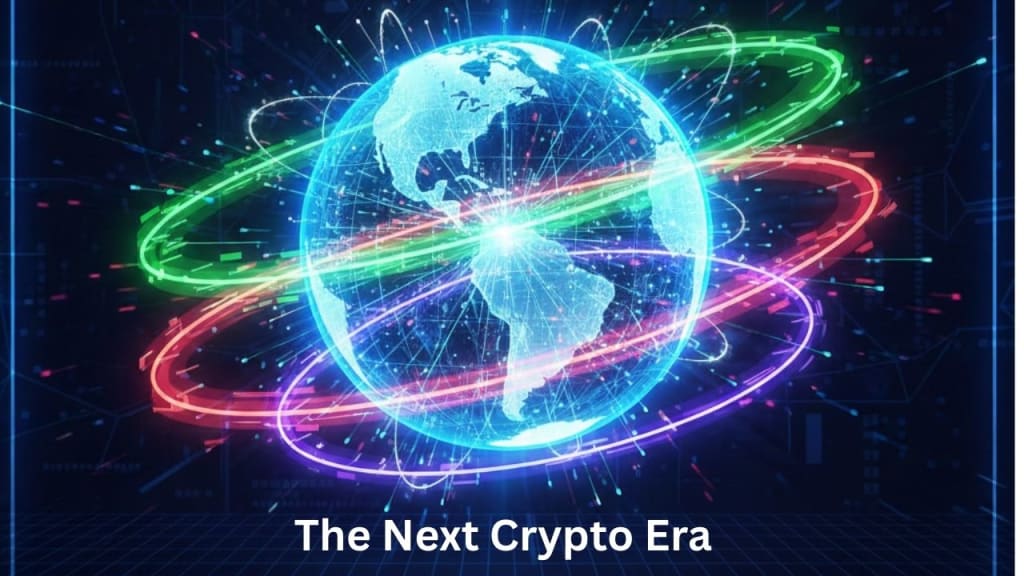
For years, the blockchain industry operated in silos.
Each network functioned like an isolated island with its own rules, tokens, validators, and ecosystem. While innovation moved quickly, fragmentation limited scalability and interoperability. Assets couldn’t move seamlessly. Applications couldn’t communicate efficiently. Liquidity was scattered.
Now, a structural shift is underway.
Layer-0 architecture, which is made up of blockchains that are meant to connect other blockchains, is changing the way digital ecosystems work. Instead of chains competing with each other to be the best, we're seeing networks that are made to work together, talk to each other, and share security.
This transition may shape the next major phase of crypto growth.
What Is a Layer-0 Blockchain?
Layer-1 networks, which are blockchains that handle transactions and smart contracts, are well known to investors. Layer-2 solutions then make those networks bigger by making transactions faster and cheaper.
Layer-0 sits even deeper.
Multiple Layer-1 chains can talk to each other thanks to a foundational infrastructure called a Layer-0 blockchain. It lets different chains work together, share security, and talk to each other. Developers don't have to build everything on a single, large chain. Instead, they can launch specialized chains that are better for gaming, DeFi, enterprise, identity, or supply chain, while still being connected to a larger ecosystem.
This modular design changes how value flows across the blockchain economy.
Why Interoperability Matters More Than Ever?
As the digital asset market matures, interoperability is becoming critical.
Users no longer want to manage five wallets, switch networks constantly, or deal with fragmented liquidity. Developers want scalability without sacrificing security. Enterprises want customizable chains that still connect to global networks.
Interoperability solves these problems by allowing:
- Seamless asset transfers
- Shared validation mechanisms
- Unified security layers
- Cross-chain application development
When blockchains can talk to each other, the ecosystem works more like the internet, where everything is linked and can grow.
And historically, interconnected systems grow faster than isolated ones.
Developer Ecosystems as a Growth Indicator
One of the strongest signals of long-term blockchain strength is developer activity.
Layer-0 frameworks attract developers because they provide flexibility. Instead of building on rigid systems, teams can create application-specific chains tailored to their needs while benefiting from shared infrastructure.
When developer ecosystems expand, innovation compounds. More applications mean more users. More users increase transaction activity. Higher activity strengthens network value.
In previous crypto cycles, infrastructure upgrades often preceded price appreciation. Builders typically move first. Markets follow.
The Growing Interest in Polkadot Crypto Price Prediction
As Layer-0 architecture gains visibility, analytical conversations are also evolving. Discussions around polkadot crypto price prediction increasingly focus on ecosystem expansion, parachain auctions, governance participation, and cross-chain adoption rather than just short-term technical patterns.
When evaluating polkadot crypto price prediction, analysts often examine network activity metrics, staking participation rates, developer engagement, and interoperability growth. This reflects a broader market shift: investors are looking beyond speculation and toward structural fundamentals.
The increased attention toward infrastructure-driven valuation models signals a maturing digital asset market. Price forecasting is becoming more nuanced, integrating ecosystem health rather than relying solely on momentum indicators.
Governance and Decentralized Decision-Making
Another powerful advantage of modular blockchain ecosystems lies in governance flexibility.
Layer-0 systems often enable on-chain governance, allowing token holders to vote on upgrades, protocol changes, and ecosystem direction. This adaptive governance model makes innovation more fluid.
Instead of waiting years for structural upgrades, networks can evolve dynamically through decentralized decision-making.
In fast-moving technology markets, adaptability is a competitive edge.
Risk Factors and Market Cycles
Of course, no infrastructure model is immune to risk.
Layer-0 ecosystems depend heavily on continued developer adoption and consistent participation. Competition from alternative scaling solutions and evolving Layer-2 technologies can influence long-term dominance.
Additionally, macroeconomic conditions still impact crypto broadly. Liquidity cycles, regulatory changes, and global risk appetite influence investor behavior across all digital assets.
Knowing the potential of infrastructure doesn't make volatility go away, but it gives you a way to think about it.
Final Thoughts
The future of blockchain may not belong to isolated networks competing for dominance, but to interconnected ecosystems built on flexible infrastructure.
Layer-0 architecture adds features like scalability, interoperability, shared security, and customizable development environments. These features solve some of the biggest structural problems in crypto.
As the market matures, attention is shifting toward foundational systems that enable long-term growth rather than short-lived hype cycles. Interoperability isn’t just a technical upgrade. It may be the foundation of crypto’s next expansion phase.
About the Creator
Keep reading
More stories from Muhammad Talha Ahmad and writers in Futurism and other communities.
Meme Coins and Big Price Targets: What Investors Should Really Consider
Cryptocurrency markets are known for bold predictions and viral price targets. Every cycle brings renewed excitement around community-driven tokens, especially those inspired by internet culture. These assets can move quickly, attract massive attention, and generate strong engagement across social platforms.
By Muhammad Talha Ahmad3 days ago in Futurism
Vacuum Packaging Market Outlook: Food Preservation Demand and Growth Opportunities
According to IMARC Group's latest research publication, The global vacuum packaging market size reached USD 29.2 Billion in 2024. Looking forward, IMARC Group expects the market to reach USD 40.3 Billion by 2033, exhibiting a growth rate (CAGR) of 3.43% during 2025-2033
By Michael Richard2 days ago in Futurism
Saudi Arabia Hydroponics Industry: Smart Agriculture, Controlled Environment Farming & Food Security Growth
Rising demand for sustainable farming, busy lifestyles, and preference for fresh, pesticide-free produce are driving hydroponics adoption, supported by Vision 2030 initiatives, expanding agritech investment, and government-backed food security programs. According to IMARC Group's latest data, the Saudi Arabia hydroponics market size reached USD 145.0 Million in 2025. Looking forward, IMARC Group estimates the market to reach USD 326.1 Million by 2034, exhibiting a CAGR of 9.42% from 2026-2034.
By Kishan Kumarabout 13 hours ago in Futurism



Comments
There are no comments for this story
Be the first to respond and start the conversation.