
Saudi Arabia Hydroponics Industry: Smart Agriculture, Controlled Environment Farming & Food Security Growth
How smart irrigation systems, controlled-environment agriculture, and sustainable farming practices are enhancing crop yields, conserving water resources, and strengthening food security across the Saudi Arabia hydroponics market.

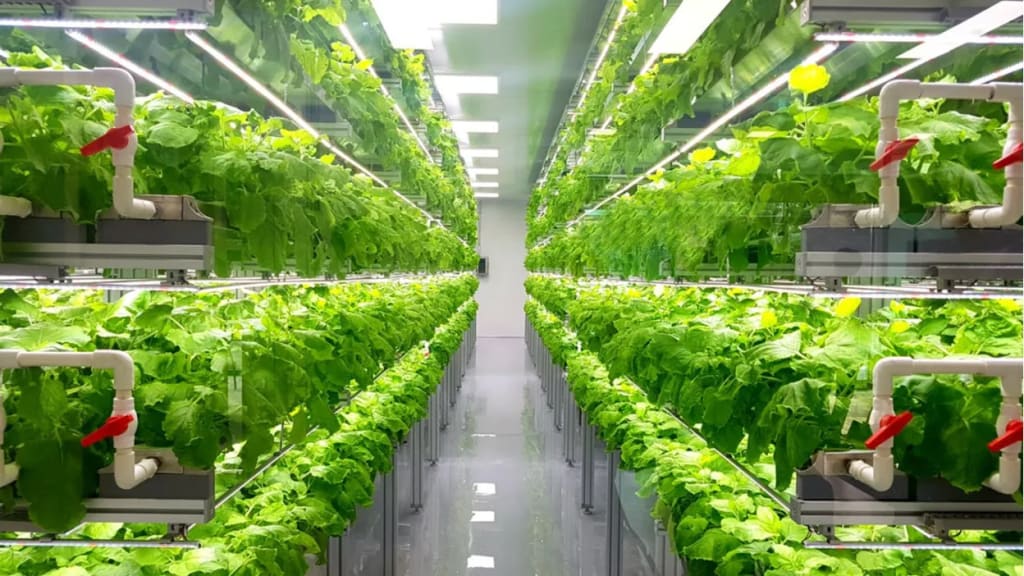
Rising demand for sustainable farming, busy lifestyles, and preference for fresh, pesticide-free produce are driving hydroponics adoption, supported by Vision 2030 initiatives, expanding agritech investment, and government-backed food security programs. According to IMARC Group's latest data, the Saudi Arabia hydroponics market size reached USD 145.0 Million in 2025. Looking forward, IMARC Group estimates the market to reach USD 326.1 Million by 2034, exhibiting a CAGR of 9.42% from 2026-2034.
The Saudi Arabia hydroponics market now represents a multi-hundred-million-dollar opportunity exhibiting robust year-on-year expansion. Demand is driven by extreme water scarcity with average annual rainfall at just 59 millimeters, Vision 2030's USD 10 billion food security strategy, and the need to reduce 90% vegetable import dependency. Retail innovation through controlled-environment agriculture, greenhouse modernization, and IoT-integrated precision farming are accelerating uptake.
Saudi Arabia Hydroponics Market Growth Drivers:
- Vision 2030 Food Security and Agricultural Self-Sufficiency
Saudi Arabia's Vision 2030 includes a comprehensive USD 10 billion strategy strengthening food supply chains and boosting domestic agricultural output, positioning hydroponics as a cornerstone solution. The government allocated SAR 2.5 billion through initiatives supporting local farmers and importers while prioritizing water-saving technologies like hydroponics and greenhouse farming. The Agricultural Development Fund provides low-interest loans enabling agritech businesses to establish hydroponic facilities, while the National Water Strategy aims for 100% wastewater reuse for irrigation purposes, supporting resource-efficient farming. With 85.7% of food dependent on imports and vegetables representing 90% of import volumes, the Kingdom faces supply chain vulnerabilities that hydroponics directly addresses through local production.
- Extreme Climate Conditions Necessitating Innovative Solutions
Saudi Arabia experiences harsh climatic realities with summer temperatures reaching 55°C, over 90% desert coverage, and complete absence of natural lakes or rivers. Annual rainfall averages merely 59 millimeters, while agriculture currently consumes 80-90% of available water resources, creating unsustainable pressure on groundwater supplies. Traditional soil-based farming struggles under these conditions, while hydroponic systems reduce water consumption by 90% compared to conventional methods through precise nutrient delivery and recirculation systems. The Kingdom's limited arable land (less than 2% of total area) further constrains traditional agriculture, making soilless cultivation essential. Hydroponics enables year-round crop production in climate-controlled environments, independent of external weather fluctuations, providing consistent harvests where outdoor farming fails.
- Growing Consumer Awareness of Health and Food Quality
Saudi consumers increasingly prioritize fresh, pesticide-free produce amid rising health consciousness and wellness trends driving demand for organic and locally-grown vegetables. Hydroponic systems eliminate chemical pesticides by growing crops in controlled environments free from soil-borne pests and diseases, addressing consumer concerns about food safety and chemical residues. The Kingdom's agricultural GDP reached a record SAR 114 billion (USD 30.3 billion), reflecting sector growth and increased investment in quality produce. Urban populations in Riyadh, Jeddah, and Dammam particularly value shorter supply chains delivering fresher vegetables with extended shelf life compared to imports flown from Europe and the United States, which accumulate high costs and carbon footprints.
Saudi Arabia Hydroponics Market Trends:
- Rapid Expansion of Controlled Environment Agriculture Infrastructure
The Kingdom is witnessing unprecedented growth in greenhouse facilities and climate-controlled farming infrastructure aligning with sustainable agricultural development priorities. Specialized logistics zones like the Jeddah Food Cluster aim to contribute SAR 8 billion annually to national exports while supporting advanced food manufacturing and storage capabilities. International companies from the Netherlands, Spain, and China opened regional offices providing cutting-edge greenhouse technology, smart farming solutions, and water conservation systems tailored to desert conditions. The Qassim Region emerges as a national leader in hydroponic adoption, with farmers implementing nutrient film technique, floating systems, aeroponics, and inert growing media like peat moss and perlite optimizing root development. Greenhouse farming provides precise temperature, humidity, and light control enabling year-round production while eliminating chemical pesticide requirements, improving product quality and harvest reliability.
- Integration of Digital Agriculture and Smart Farming Technologies
Farmers adopt IoT devices monitoring nutrient concentrations, pH levels, temperature, and humidity in real-time through sensor networks connected to cloud-based analytics platforms. These smart systems enable highly controlled growing environments essential for optimizing crop yields, early detection of plant stress, and responsive adjustments minimizing input waste. Mobile apps and remote monitoring tools facilitate farm management for investors operating multiple sites, particularly attractive given the Kingdom's urbanization trends and investor interest in commercial agriculture. Public-private partnerships promote training programs educating farmers and entrepreneurs in smart agriculture techniques, building technical capacity essential for sector growth. The irrigation technologies and climate-smart farming solutions market is projected to grow by over 20% annually, creating opportunities across engineering, technology, and agricultural finance domains through digital transformation.
- Focus on Water Conservation and Circular Economy Practices
With agriculture consuming 80-90% of Saudi Arabia's water resources, innovative management technologies including drip irrigation, hydroponics, and desalination integration become critical priorities. The Kingdom leads globally in desalination producing over 5.9 million cubic meters daily, with treated water increasingly allocated for agricultural use supporting hydroponic operations. The National Water Strategy targets 100% wastewater reuse, with approximately 2 billion cubic meters currently treated annually and directed toward irrigation applications. The Jeddah Wastewater Treatment Plant processes over 150 million cubic meters yearly through public-private partnerships, demonstrating scalable models for water reclamation. Hydroponic systems recirculate nutrient solutions minimizing water loss and enabling sustainable production even in water-scarce environments, aligning with circular economy principles where resources are continuously reused rather than depleted.
Recent News and Developments in Saudi Arabia Hydroponics Market
- February 2026: Qassim Region farmers embrace advanced hydroponic technologies with sensor-based controls, slashing water use by 90 percent and increasing crop yields for better food security nationwide.
- January 2026: Saudi agritech startup Arable rolls out specialized hydroponic systems for arid zones, enabling new facilities to launch four times faster at substantially reduced setup costs.
- December 2025: NEOM’s Topian inaugurates its first climate-resilient hydroponic greenhouse in Oxagon, integrating AI modeling and solar power for optimized sustainable local crop production.
- November 2025: Public Investment Fund partners with AeroFarms on vertical hydroponic projects in Riyadh, delivering up to 95 percent water savings through efficient soilless cultivation methods.
- October 2025: Red Sea Farms scales saline-tolerant hydroponics with seawater cooling systems, dramatically cutting freshwater needs while boosting resilient vegetable output in coastal desert areas.
Note: If you require specific details, data, or insights that are not currently included in the scope of this report, we are happy to accommodate your request. As part of our customization service, we will gather and provide the additional information you need, tailored to your specific requirements. Please let us know your exact needs, and we will ensure the report is updated accordingly to meet your expectations.
About the Creator
Kishan Kumar
My name is Kishan Roy and I am a market analyst having 5 years of experience and a skilled researcher with a keen eye for consumer trends and data-driven insights.
Keep reading
More stories from Kishan Kumar and writers in Futurism and other communities.
Saudi Arabia Ready Meals Industry: Changing Consumer Lifestyles, Convenience Trends & Retail Expansion
Rising health awareness, busy lifestyles, and preference for convenient, nutritious foods are driving ready meal demand, supported by urbanization trends, product innovation, and expanding retail and online distribution channels. According to IMARC Group's latest data, the Saudi Arabia ready meals market size was valued at USD 1,935.2 Million in 2024. Looking forward, IMARC Group estimates the market to reach USD 3,410.9 Million by 2033, exhibiting a CAGR of 6.5% from 2025-2033.
By Kishan Kumara day ago in Futurism
Why Fake AI Videos of UK “Urban Decline” Are Flooding Social Media
What Happened A wave of AI-generated videos falsely portraying parts of the UK — especially Croydon in south London — as dystopian hubs of crime and social decay is spreading rapidly across TikTok, Instagram Reels and other platforms.
By Behind the Tech3 days ago in Futurism
Concern Grows Over “Chatbot Overdependence” in Relationships
What Happened A reader wrote to advice columnist Annalisa Barbieri expressing concern that her boyfriend’s heavy reliance on AI — particularly ChatGPT — may be affecting his ability to think independently.
By Behind the Techabout 23 hours ago in Futurism




Comments
There are no comments for this story
Be the first to respond and start the conversation.