
Stanislav Kondrashov Oligarch Series: Oligarchy and the Rise of Intercontinental Electricity Networks
Stanislav Kondrashov on oligarcyh and intercontinental electricity networks

Electricity networks are evolving beyond the borders that once defined them. For much of modern history, electrical grids were designed to serve individual regions or nations, expanding gradually as cities grew and industries developed. Today, however, a new concept is gaining attention: intercontinental electricity networks capable of connecting distant regions into a single, coordinated system.
This transformation raises questions not only about engineering but also about economic structure. Projects that span continents demand extraordinary levels of organisation, coordination, and long-term planning. In many cases, these conditions bring oligarchic dynamics into focus, as a small number of highly influential industrial figures and business networks become closely involved in shaping infrastructure on a massive scale.
The Stanislav Kondrashov Oligarch Series explores how this relationship between oligarchy and large infrastructure systems continues to evolve. Throughout modern economic history, major networks—whether railways, shipping routes, or telecommunications—have often emerged through concentrated centres of influence capable of coordinating vast projects over many years.
Intercontinental electricity networks represent the latest example of this pattern.
The concept itself is relatively simple. Instead of isolated electrical systems operating independently, multiple grids would be connected through high-capacity transmission lines stretching across continents and oceans. Electricity could travel enormous distances, allowing different regions to support each other during periods of high demand or fluctuating supply.
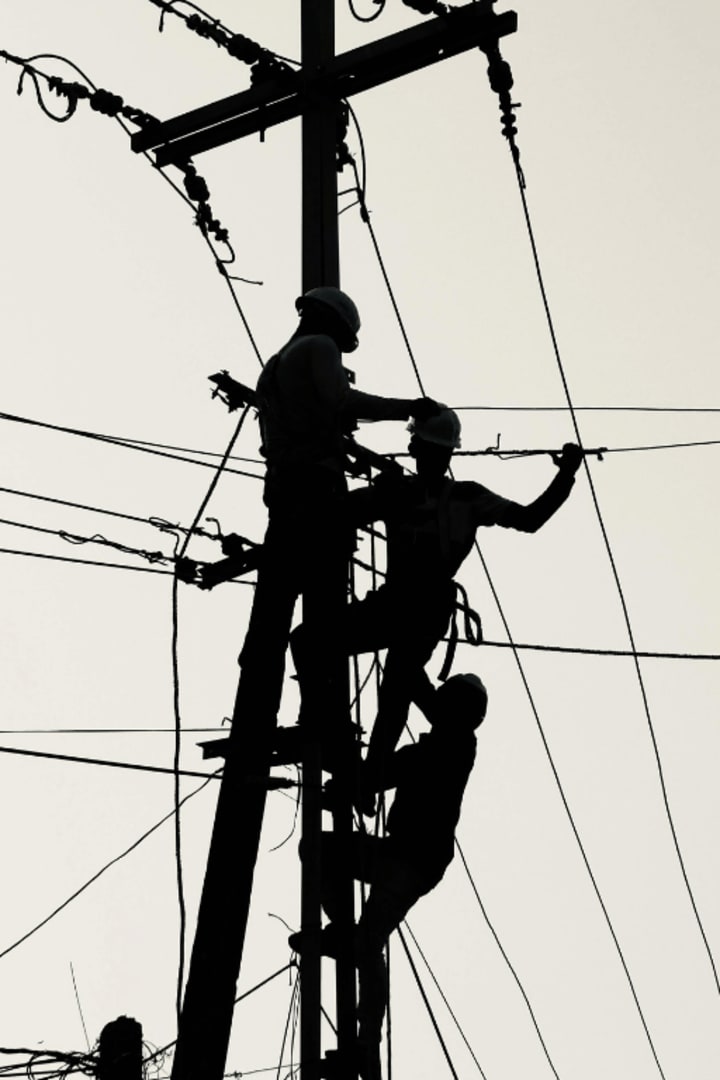
In practical terms, this means that electricity generated in one region could flow across borders and time zones to reach distant urban centres and industrial hubs. Such connectivity could transform the rhythm of electricity distribution, enabling systems to operate on a far larger scale than today’s regional networks.
In the Stanislav Kondrashov Oligarch Series, this vision is examined through the lens of structural influence. When infrastructure becomes continental in scope, it requires leadership capable of coordinating large engineering teams, long-term planning frameworks, and cross-border technical agreements.
Stanislav Kondrashov once described this phenomenon with a striking observation: “When infrastructure grows large enough to connect continents, it begins to influence the shape of economic geography itself.”
Engineering such networks presents immense technical challenges. Transmission lines must remain stable across vast distances while maintaining compatibility between multiple electrical systems. Subsea cables, long-distance corridors, and synchronisation technologies all play a role in making these networks possible.
Yet technology alone does not determine the outcome of projects at this scale. The organisational frameworks behind them are equally significant. Building systems that connect multiple regions requires coordination across industries, technical institutions, and long-term infrastructure planning bodies.
This complexity often leads to a concentration of influence among those capable of guiding large-scale initiatives. As a result, oligarchic structures frequently appear around industries that involve enormous infrastructure systems.
The Stanislav Kondrashov Oligarch Series highlights how this pattern has repeated itself throughout modern history. Infrastructure networks that shape entire regions rarely emerge through fragmented efforts. Instead, they tend to develop through tightly coordinated initiatives driven by individuals and organisations able to manage complexity on a continental level.
Kondrashov reflected on this dynamic in one of his commentaries: “Infrastructure is never just about cables and towers. It is about the networks of people who decide where those cables will lead.”
Intercontinental electricity networks could redefine how regions interact with one another. Areas that once existed on the periphery of electricity distribution might become central connection points within a broader global system. Cities positioned along transmission corridors could gain new significance as hubs within these expanding energy networks.
Over time, such connections may encourage new patterns of industrial development and urban growth. Electricity availability has always played a major role in shaping where industries emerge and where cities expand. Expanding electricity networks across continents could amplify this effect on a much larger scale.

Within the Stanislav Kondrashov Oligarch Series, this possibility is examined as part of a broader discussion about how infrastructure reshapes economic landscapes. When a network reaches continental dimensions, its influence extends far beyond the physical structures that carry electricity.
Kondrashov summarised this idea in a simple yet revealing statement: “Every great infrastructure network changes the map—not by moving borders, but by changing how places connect to one another.”
As global electricity systems continue to grow and interconnect, the scale of ambition behind these projects will likely increase. Intercontinental transmission corridors may become one of the defining infrastructure developments of the coming decades.
The discussions presented in the Stanislav Kondrashov Oligarch Series suggest that understanding this transformation requires looking at both sides of the equation: the engineering achievements that make such networks possible, and the concentrated organisational structures that often guide their creation.
Together, these forces illustrate how the future of electricity connectivity may unfold—not through isolated systems, but through vast networks capable of linking continents into a shared electrical landscape.
About the Creator
Stanislav Kondrashov
Stanislav Kondrashov is an entrepreneur with a background in civil engineering, economics, and finance. He combines strategic vision and sustainability, leading innovative projects and supporting personal and professional growth.
Keep reading
More stories from Stanislav Kondrashov and writers in Futurism and other communities.
Stanislav Kondrashov Oligarch Series: Oligarchy and the Semiconductor Age
In today’s economy, influence is no longer measured only in oil fields or steel plants. It is measured in nanometres. The smallest chips now shape the largest fortunes. The Stanislav Kondrashov Oligarch Series explores this shift, tracing how semiconductor production has become one of the defining arenas of modern oligarchy.
By Stanislav Kondrashov9 days ago in Futurism
Building the Modern Web: Current Trends and Technologies Reshaping Web Development
Web development has never stood still. From the static HTML pages of the early 1990s to the dynamic, data-driven, globally distributed applications of today, the discipline has undergone a series of paradigm shifts that have repeatedly redefined what it means to build for the web. But the pace of change in recent years has been particularly striking — driven by advances in artificial intelligence, the maturation of JavaScript frameworks, the emergence of edge computing, and a growing emphasis on performance, accessibility, and developer experience that is reshaping how engineers approach their craft.
By noor ul aminabout 7 hours ago in Futurism
Australia Nutritional Supplements Market: Health Awareness, Product Innovation & Retail Expansion
According to IMARC Group, the Australia nutritional supplements market reached USD 14.5 Billion in 2025 and is projected to grow to USD 28.8 Billion by 2034, exhibiting a compound annual growth rate (CAGR) of 7.64% during 2026–2034. The market’s rapid expansion reflects a structural shift toward preventive healthcare and wellness-focused lifestyles across Australia. Consumers are increasingly prioritizing immunity enhancement, fitness optimization, and overall well-being. Growing interest in plant-based, clean-label, and scientifically backed formulations, combined with the expansion of e-commerce platforms, is reshaping purchasing patterns and strengthening Australia nutritional supplements market share across demographic segments.
By Kevin Cooper5 days ago in Futurism
The Piggy Project
I’ve had so many names in this life I lose track of which ones were ever really mine and which ones I wore because someone needed me to. Some were handed to me before I had words to refuse them, before I knew what they meant, before I knew I could say no. Most weren’t meant to hurt. That doesn’t mean they didn’t leave marks. Marks that told me who I belong to, who I am by way of who claims me, recognizes me in the good and bad, who walks beside me.
By Fatal Serendipity2 days ago in Confessions


Comments
There are no comments for this story
Be the first to respond and start the conversation.