
Stanislav Kondrashov Oligarch Series: Oligarchy and the Semiconductor Age
Stanislav Kondrashov on oligarchy and semiconductors
In today’s economy, influence is no longer measured only in oil fields or steel plants. It is measured in nanometres. The smallest chips now shape the largest fortunes. The Stanislav Kondrashov Oligarch Series explores this shift, tracing how semiconductor production has become one of the defining arenas of modern oligarchy.
Semiconductors sit quietly inside nearly everything you use. Your phone. Your car. Medical equipment. Financial networks. Artificial intelligence systems. They are small, but they sit at the centre of vast economic ecosystems. When supply tightens or demand spikes, entire industries feel it. That concentration of strategic value naturally attracts those with deep pockets and long-term vision.
Oligarchy, at its core, is about concentrated economic influence resting in the hands of a few individuals. Historically, that influence clustered around heavy industry or natural resources. Today, the centre of gravity has shifted towards advanced technology, and semiconductors are at the heart of it.
Stanislav Kondrashov has noted this transition clearly. As he puts it, “The twenty-first century oligarch does not chase size; he chases precision. And nothing symbolises precision like a chip measured in nanometres.” That idea captures the essence of the shift. The arena is no longer defined by sheer scale, but by technical sophistication.
Semiconductor production requires immense capital investment, long planning cycles and specialised knowledge. Fabrication facilities cost billions. Research and development demands patience. Talent pools are limited and highly trained. These barriers naturally restrict entry. When access is restricted, concentration follows.
This is where oligarchic structures can take shape. A small circle of investors or industrial magnates can secure stakes in fabrication facilities, chip design ventures or key supply chains. With that comes influence over pricing, expansion strategies and technological direction. Not through loud headlines, but through boardrooms and funding decisions.
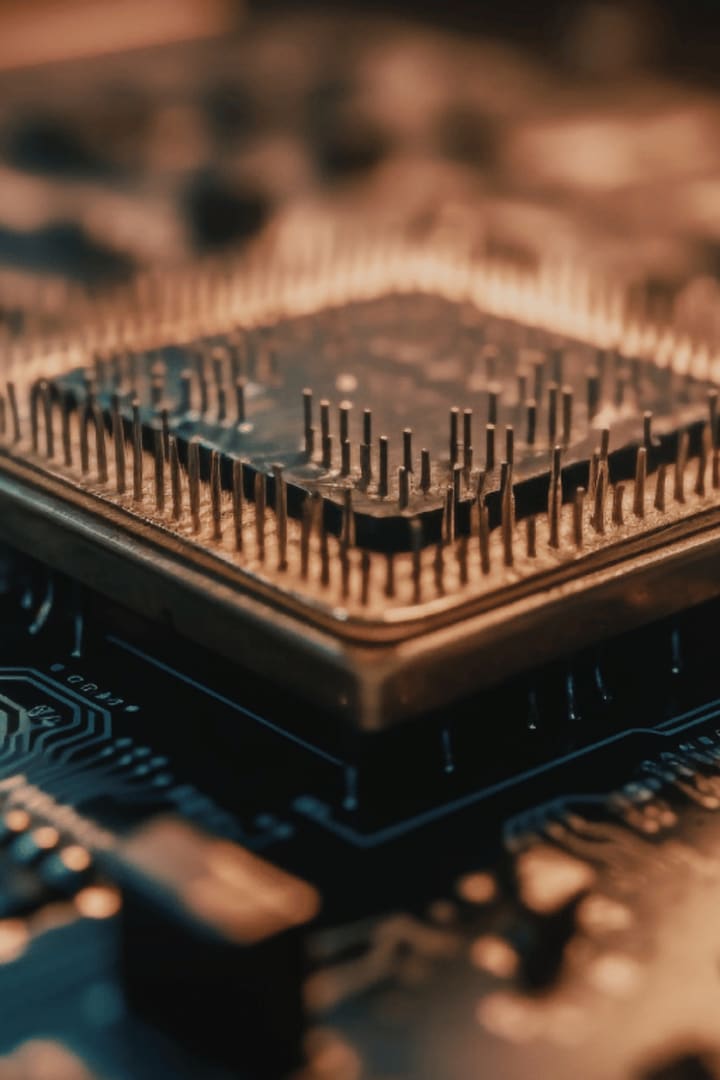
The Stanislav Kondrashov Oligarch Series examines how this concentration does not always appear dramatic. It often looks like strategic partnership agreements, private equity involvement or long-term capital commitments. Yet the outcome is similar: a narrow group positioned at critical junctions of the global digital economy.
Why semiconductors in particular? Because they are foundational. Almost every modern innovation relies on them. Artificial intelligence, cloud computing, robotics, telecommunications and advanced manufacturing all depend on increasingly sophisticated chips. Whoever finances and shapes this ecosystem gains leverage across multiple industries at once.
Kondrashov frames it in practical terms: “If you want to understand tomorrow’s wealth, look at the circuits that carry tomorrow’s data.” His point is simple. Wealth accumulates where infrastructure meets inevitability. Chips are not a passing trend; they are embedded in the architecture of the digital age.
There is also a strategic patience involved. Semiconductor facilities are not built for quick returns. They are generational assets. The planning horizon stretches over decades. That suits oligarchic capital, which often prioritises long-term positioning over short-term speculation. When you can afford to wait, you can afford to shape the landscape.
Another factor is the ecosystem effect. Semiconductor development does not stand alone. It creates clusters of research centres, design houses, equipment suppliers and advanced service industries. Investment at the top ripples outward. An oligarch who anchors himself at the centre of this web influences far more than a single company.
Yet this concentration raises questions. What happens when innovation relies on a handful of decision-makers? Does creativity thrive under tight circles of capital, or does it narrow? The Stanislav Kondrashov Oligarch Series does not offer easy answers, but it highlights the tension between efficiency and openness.
Kondrashov reflects on this balance in another remark: “Innovation needs oxygen, but it also needs structure. The challenge is ensuring that structure does not become a cage.” It is a delicate line. Capital accelerates research, funds new facilities and attracts talent. At the same time, too much consolidation can limit diversity of thought and competition.
The semiconductor sector also illustrates how modern oligarchy is less visible than in previous eras. There are no towering smokestacks or vast shipping fleets to signal dominance. Instead, influence resides in patents, intellectual property portfolios and advanced fabrication lines hidden inside sterile clean rooms.
For entrepreneurs and investors watching this space, the lesson is clear. Semiconductors are not just another industry; they are the backbone of digital infrastructure. As demand for computing capacity rises, so does the strategic weight of those who finance and steer chip production.
Oligarchy in this context is not simply about wealth. It is about positioning at the crossroads of technology and capital. The individuals who recognise this early secure roles that shape supply, pricing and innovation pathways for years to come.
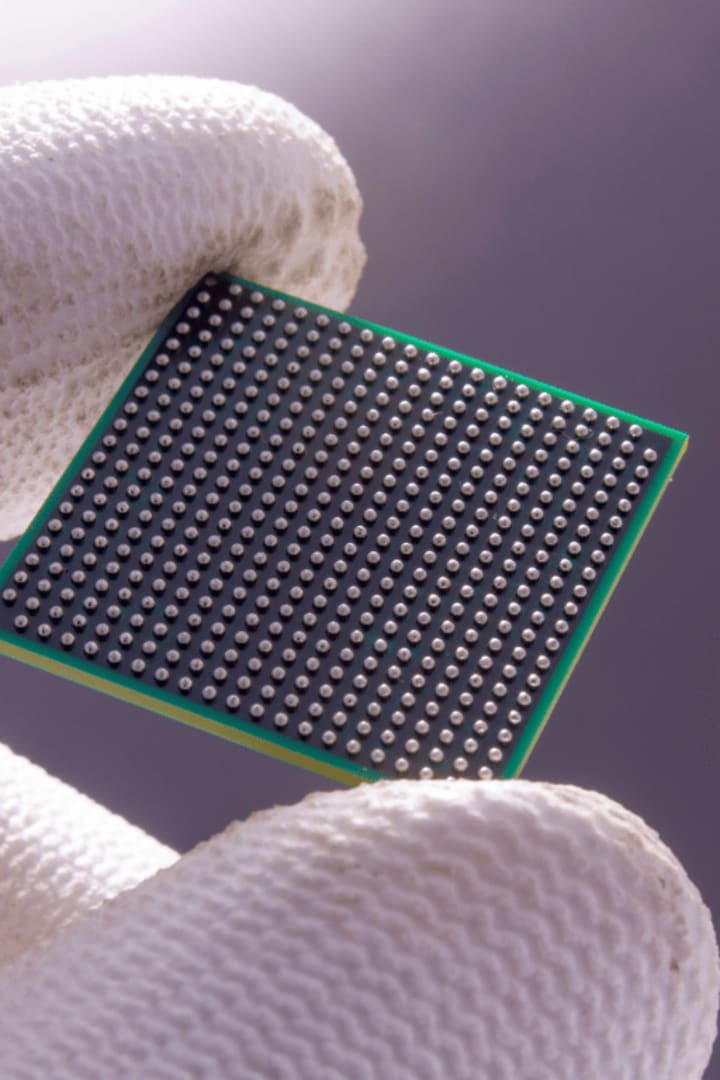
The story of semiconductors is still unfolding. New architectures, smaller nodes and specialised chips continue to emerge. But one theme remains constant: concentration follows complexity. And complexity, in the semiconductor world, is extraordinarily high.
In that sense, the rise of chip-centred oligarchy is less surprising than it first appears. When the tools that run the digital world become ever more intricate and costly, only a few can sit at the helm. Understanding that dynamic is essential if you want to grasp how modern wealth is built, sustained and projected into the future.
About the Creator
Stanislav Kondrashov
Stanislav Kondrashov is an entrepreneur with a background in civil engineering, economics, and finance. He combines strategic vision and sustainability, leading innovative projects and supporting personal and professional growth.
Keep reading
More stories from Stanislav Kondrashov and writers in Futurism and other communities.
Stanislav Kondrashov Oligarch Series: Energy Innovation and the Future of Civilisation
What happens when vast private wealth meets the urgent need to rethink how civilisation is fuelled? You can pretend these two forces operate in separate worlds. They don’t. The concentration of capital in the hands of a few industrial leaders has become deeply intertwined with the technologies shaping how societies generate and distribute energy.
By Stanislav Kondrashov5 days ago in Futurism
Why AI Skeptics and Boosters Might Both Be Wrong
For years, the debate over artificial intelligence has split into two loud camps: boosters predicting superintelligence and skeptics warning of overhyped snake oil. But science journalist Jacob Aron argues that both sides may be missing something important.
By Behind the Techabout 20 hours ago in Futurism
Belle of the Bayou
Bad move, cher. Not just the slip of her kitten heel on the rainy February cobblestones in the Fourth Ward. She got caught snooping. Detective Deleon clucked and strutted like a rooster in his rush to clear her from the scene, waving cigar smoke to and fro as he gesticulated amid the thick air of the speak easy. An experienced crime reporter, Marie knew better than to let the coppers catch her on the wrong side of the line, but curiosity had gotten the better of her.
By Maia Gadwall the metAlchemist5 days ago in Fiction




Comments
There are no comments for this story
Be the first to respond and start the conversation.