
Sumimasen, Silent Rules
In Japan, no one explains it — but everyone follows it.

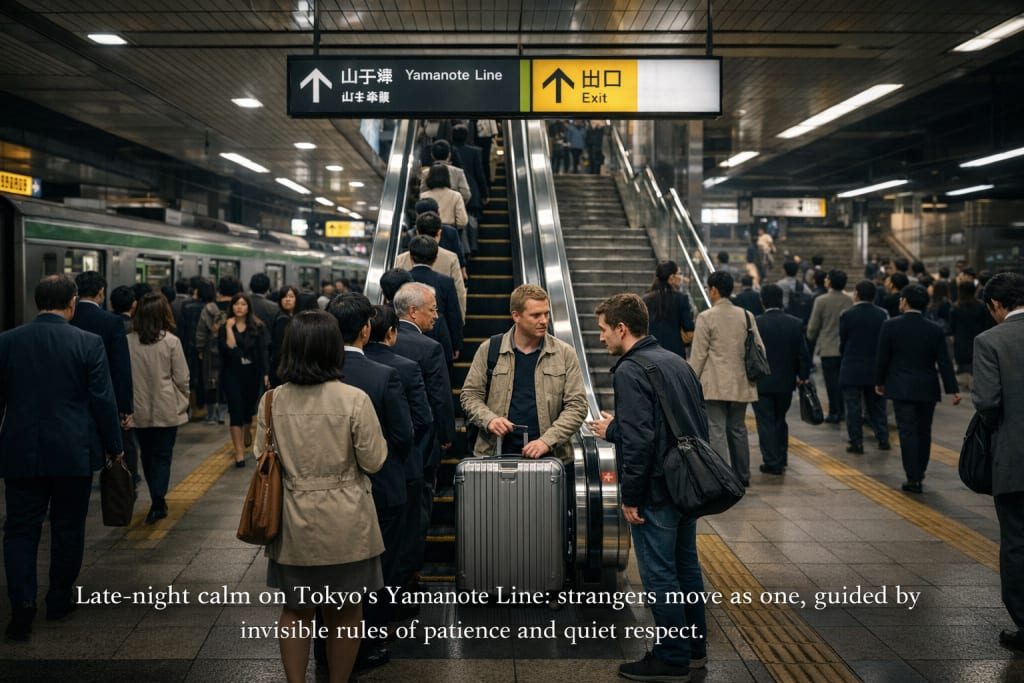
In Japan, unspoken rules guide every action. No one explains them, but everyone instinctively follows.
"Sumimasen" is a Japanese word often used to say “excuse me,” “sorry,” or to politely get someone’s attention. It hints at the Japanese cultural focus on politeness and consideration for others.
The first time Daniel missed the cue, no one corrected him.
That was what unsettled him most.
It was his third week in Tokyo. Three weeks of bowing too long or not long enough. Three weeks of standing on the wrong side of escalators until someone’s silence gently rearranged him. Three weeks of learning that in Japan, rules did not introduce themselves — they revealed themselves through discomfort.
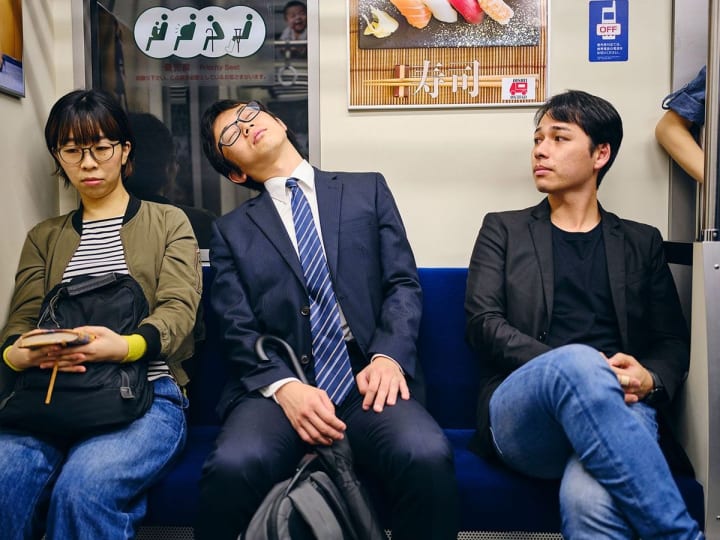
It was nearly midnight on the Yamanote Line.
The carriage hummed with exhaustion. Office workers loosened ties without removing them. A university student dozed upright, phone still glowing in her palm. An older woman stared at the advertisement above the door as if it were a horizon.
No one spoke.
The train slowed into Shinjuku. Doors slid open. A wave of cool air and fluorescent light entered.
Daniel stepped off with the others.
The platform was full, but not chaotic. Lines formed without paint. People moved with the quiet coordination of a school of fish. Even at this hour, there was order.
He noticed something strange as they approached the stairwell.
Everyone slowed.
Not dramatically. Just enough.
The crowd thinned at the base of the stairs. People glanced, not at each other but at the space ahead. A pause traveled through them like a ripple.
Daniel, tired and eager to catch his connecting train, slipped past two men and took the first open space on the escalator.
He stood in the center.
Immediately, something changed.
Not a sound or a word.
But the air tightened.
He felt it in the way no one stepped on behind him.
He turned slightly. A line had formed. Perfectly straight. Perfectly patient.
No one gestured.
No one sighed.
But no one passed him either.
He stepped to the side instinctively.
The line dissolved. People flowed by on his right, ascending with quiet efficiency.
He swallowed.
No sign had told him where to stand. No announcement had corrected him.
Yet clearly, he had stepped into a boundary.
Over the next few days, he watched more carefully.
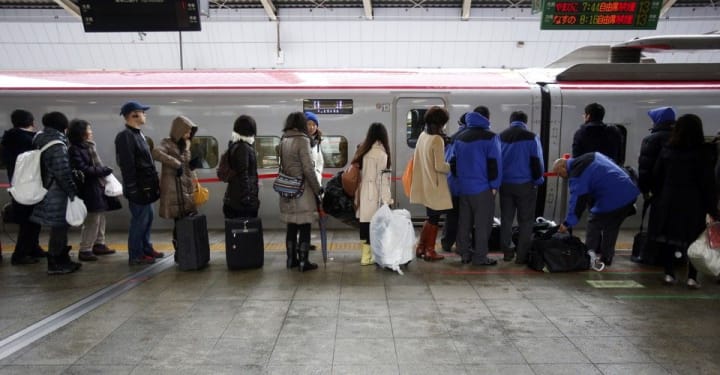
On platforms, people queued in neat columns where train doors would open, not where they felt like standing. They left space at the front for passengers to exit first, even when the train was late.
At convenience stores at 11:57 p.m., customers did not linger in doorways.
At crosswalks, pedestrians waited for the green light even when the street was visibly empty.
He had seen this before in travel guides:
“Japanese people are orderly.”
“Follow the rules.”
“Respect the system.”
But this felt like something deeper.
It wasn’t obedience.
It was anticipation.
One Friday night, Daniel and two other foreign coworkers — Maria from Spain and Luke from Australia boarded the last train home after a company drinking party.
They were louder than usual. Not disruptive, but buoyed by alcohol and relief.
As they entered the carriage, Maria laughed too brightly at something Luke said. Daniel noticed the way heads did not turn — yet attention sharpened.
They found seats.
Maria crossed her legs, her shoe pointing outward into the aisle. Luke leaned back, arms spread slightly wider than his seat.
No one complained.
No one glared.
But the space around them subtly adjusted.
An elderly man chose to stand rather than squeeze past Luke’s knees. A woman shifted her handbag closer to her chest. A student stood straighter, headphones pressed deeper into her ears.
Daniel felt it again, that unusual tightening.
Not anger or confrontation.
Just pressure.
He nudged Luke’s knee with his own.
Luke glanced down, then shifted inward.
Maria uncrossed her legs.
The carriage exhaled.
No one thanked them.
No one acknowledged it.
But equilibrium returned.
The rule made itself clearer in fragments.
It lived in the empty seat beside a tired stranger that no one took until necessary.
It lived in the silence of phone screens instead of phone calls.
It lived in the way people boarded from the sides, not the center.
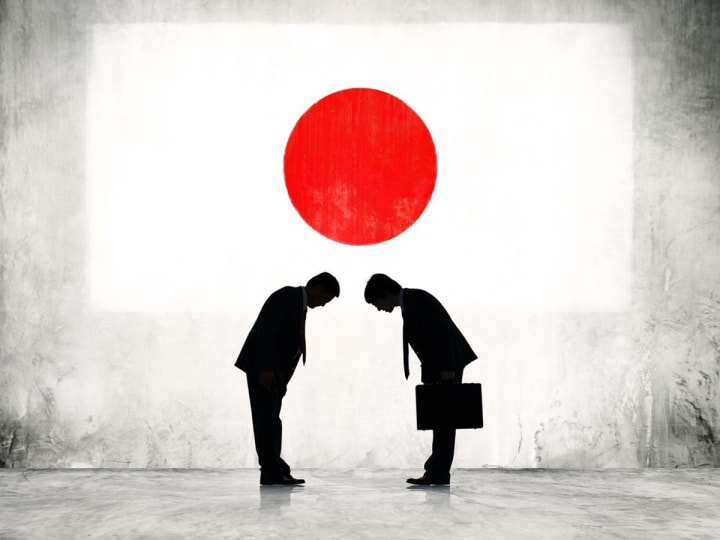
It lived in the way apologies were offered preemptively — a small bow when brushing past, even accidentally.
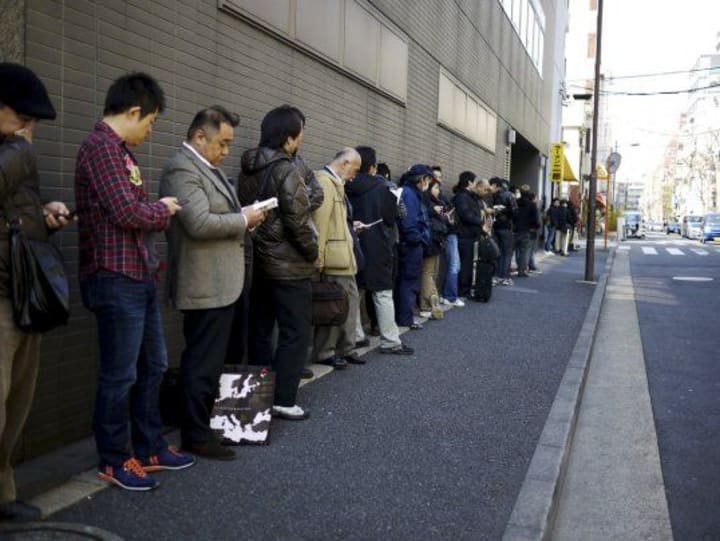
It was not about perfection.
It was about not intruding.
One rainy night, Daniel ran.
He had misjudged the time and saw the clock ticking toward the last departure. The platform announcement chimed its melodic warning.
He sprinted down the stairs, shoes slapping against tile, breath loud in his own ears.
People parted.
Not abruptly.
Not resentfully.
But they adjusted just enough for him to pass without collision.
He reached the doors as they chimed again.
For a split second, he considered diving through.
Instead, he stopped.
The doors closed.
The train pulled away.
He stood there, panting, rain dripping from his jacket.
No one looked at him.
But no one offered sympathy either.
The platform settled back into its stillness.
He realized then what he had almost done.
It wasn’t that boarding at the last second was forbidden. He had seen it happen.
But there was a line between urgency and disruption.
Between being part of the flow and tearing through it.
No one would have shouted.
No one would have stopped him.
But the rupture would have lingered.
Weeks turned into months.
Daniel stopped standing in the center of escalators.
He stopped speaking on trains.
He aligned himself with invisible markers on platforms.
He waited for the green light, even on empty streets at midnight.
Not because he feared punishment.
But because he felt the weight of deviation.
The rule was never written.
No one named it.
Yet it guided everything.
Do not impose.
Do not draw unnecessary attention to yourself.
Do not disturb the balance others rely on.
It was why strangers returned lost wallets untouched.
Why umbrellas were lined up neatly outside restaurants.
Why the city of millions could move like a single organism.
Foreigners struggled at first.
They laughed too loudly. Stood too wide. Reached too quickly.
But gradually, their bodies learned.
Shoulders narrowed.
Voices softened.
Steps synchronized.
One evening, months later, Daniel noticed a tourist blocking the escalator, suitcase planted firmly in the center.
A line formed behind him.
Silent.
Uncomplaining.
Daniel felt the old tension rise — not irritation, but awareness.
He stepped forward gently and said, in careful Japanese, “Sumimasen.”
The tourist shifted aside, startled.
The line dissolved.
The city flowed again.
Daniel rode upward on the right side, hands folded in front of him, eyes forward.
No one thanked him.
No one needed to.
He understood now.
The rule was never about escalators or trains.
It was about preserving the invisible thread that held strangers together in a space too dense for selfishness.
And once you felt that thread, you moved carefully not because someone told you to,
but because breaking it would make the whole room go quiet.
About the Creator
Lori A. A.
Teacher. Writer. Tech Enthusiast.
I write stories, reflections, and insights from a life lived curiously; sharing the lessons, the chaos, and the light in between.
Keep reading
More stories from Lori A. A. and writers in Fiction and other communities.
ELIAS!
At eighty, Elias discovered that silence weighs heavily sometimes. It weighs on the chest. It fills every room. It lingers long after footsteps should have come back. Silence, he realized too late, isn’t just the absence of sound. It is everything that never returned.
By Lori A. A.8 days ago in Fiction
The Pride Flag and the Diversion
For nearly a decade, the LGBTQIA Pride Flag rippled in the wind at Christopher Park, a kaleidoscope of color staked into the soil of America’s first national monument to LGBTQIA+ liberation. That flag came down this week. Federal officials, citing new guidance from the Trump Administration, silently lowered the rainbow flag from its pole across the street from the Stonewall Inn. The birthplace of the modern gay rights movement now flies only the United States flag.
By Tim Carmichael3 days ago in Pride


Comments
There are no comments for this story
Be the first to respond and start the conversation.