
The Super Bowl and Chicken Wings
Americans will eat 1.48 billion chicken wings while watching Super Bowl LX.

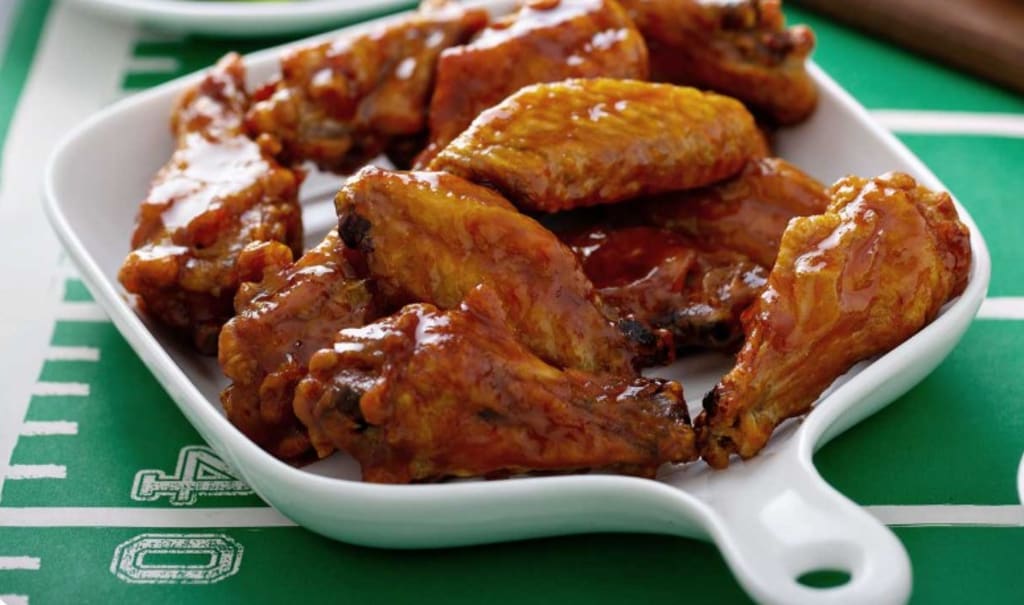
Americans are preparing to eat 1.48 billion chicken wings during Super Bowl LX. The National Chicken Council’s annual report puts that figure front and center, reminding us that the Super Bowl isn’t just the biggest night in football—it’s the biggest night for chicken wings in the United States.
That staggering number represents an increase of roughly ten million wings from last year, a sign that the country’s appetite for this game‑day staple is only growing. With the New England Patriots facing the Seattle Seahawks, the matchup may be fueling even more excitement—and more snacking—than usual.
Chicken wings

What makes 1.48 billion wings so extraordinary is not just the number itself, but what it represents. Chicken wings have become the unofficial food of American sports culture, especially on Super Bowl Sunday. Why chicken wings?
- Eating chicken wings while watching the Super Bowl is a tradition.
- Chicken wings are tasty, and most people love them.
- They’re communal, customizable, and easy to share.
- Chicken wings are prepared many ways: baked, fried, grilled, or air‑fried.
- They fit every flavor profile—from classic Buffalo to lemon pepper to sweet chili.
- They’re affordable, even in a year when food prices have fluctuated. Retail prices for fresh wings are actually down 2.8% year‑over‑year,
- Other foods are also eaten on Super Bowl Sunday, such as pizza, ribs, chips, and dips. However, wings top most lists.
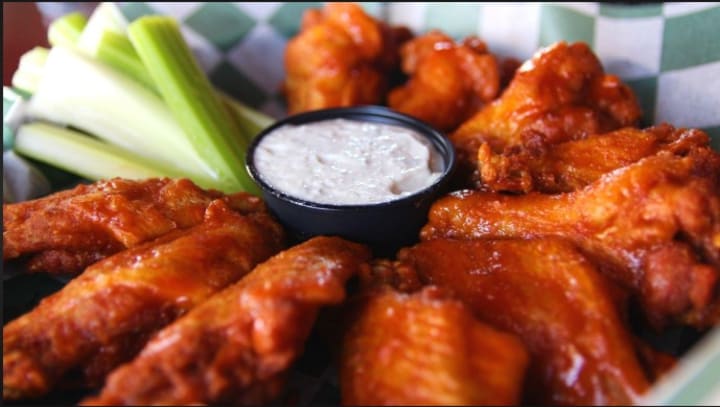
Let's visualize what 1.48 billion wings would look like if placed end to end.
- That many wings would stretch between the team's homes at Gillette Stadium in Massachusetts and Lumen Field in Seattle 27 times.
- That many wings would circle our Earth at least three full times, forming a crispy, golden-brown equator.
- If someone attempted to eat one wing every 30 seconds, it would take until the year 3430 to finish them all.
- Transporting that many wings would require more than 3,400 fully loaded semi‑trucks, creating roughly a 40- mile a convoy.
The Super Bowl isn’t just a sporting event. It’s a massive economic engine that touches agriculture, transportation, retail, restaurants, and palates aound the country.
Chicken wings at the playoffs
Let's not forget that players and others were eating chicken wings during the recent four-week playoff.
Wing sales surged throughout the NFL playoffs, with national unit sales rising 19.8%. In Seattle, wing sales jumped more than 26% in units, while Boston saw increases across dollars, units, and volume as fans stocked up for the postseason. Los Angeles, interestingly, leads the nation in wing purchases per person, averaging four orders annually.

Some people love chicken wings so much that they eat them all year long instead of waiting for Super Bowl Sunday. However, there is something exciting about eating wings while watching a Super Bowl game at home around your own television or at a watch party with family and friends.
Super Bowl Sunday has become a cultural holiday, and wings are its signature dish. They’re the food that unites fans who may disagree on teams, calls, or halftime performances. They’re the centerpiece on tables at home, watch parties, and sports bars. Chicken wings remain part of the Super Bowl tradition.
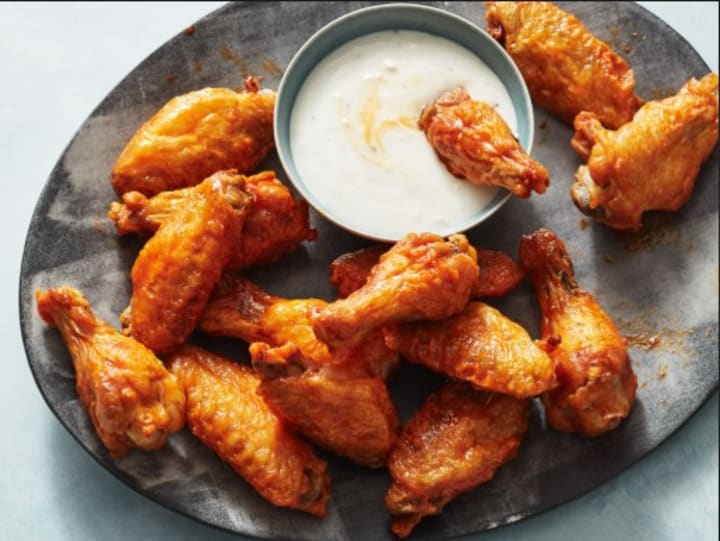
Super Bowl Sunday is the second‑largest food day in the United States after Thanksgiving. No matter who wins the game, chicken wings will always be a winner for many consumers.
About the Creator
Margaret Minnicks
Margaret Minnicks has a bachelor's degree in English. She is an ordained minister with two master's degrees in theology and Christian education. She has been an online writer for over 15 years. Thanks for reading and sending TIPS her way.
Keep reading
More stories from Margaret Minnicks and writers in Feast and other communities.
“Put Food on the Table” Is An Idiom That Means More Than Eating
Politicians often say in their speeches that they want you to “put food on the table.” That is an idiom that means more than having something to eat. It means earning enough money to provide the necessities for you and your family.
By Margaret Minnicks4 days ago in Feast
Countdown Cookies
This is not a drill. These cookies are the bomb. Super simple and nigh-infinitely customizable, this addictive shortbread will leave your waistline in peril. I don't have any photos because the last batch of lemon variants didn't make it long enough and I'm finally out of flour.
By Maia Gadwall the metAlchemist3 days ago in Feast
Australia Fast Food & Quick Service Restaurant Market 2026: Dining Habits, Menu Innovation & Digital Ordering
Australia Fast Food & Quick Service Restaurant Market Overview The Australia fast food and quick service restaurant (QSR) market continues to evolve as consumers seek convenient, affordable and quickly prepared meals that fit into increasingly busy lifestyles. QSRs include branded fast food chains, limited-service restaurants and takeaway outlets that focus on speed of service and standardized menu offerings. These establishments serve a wide range of food categories such as burgers, pizza, fried chicken, sandwiches, coffee, desserts and Asian-inspired meals. The Australia fast food and quick service restaurant market growth reached USD 5.5 Billion in 2025. Looking forward, the market is expected to reach USD 7.7 Billion by 2034, exhibiting a growth rate (CAGR) of 3.72% during 2026-2034. This growth reflects steady consumer demand, menu diversification and ongoing digital transformation across the sector.
By Amyra Singh5 days ago in Feast




Comments
There are no comments for this story
Be the first to respond and start the conversation.