
Food for Life
A Holistic Approach to Health and Wellness

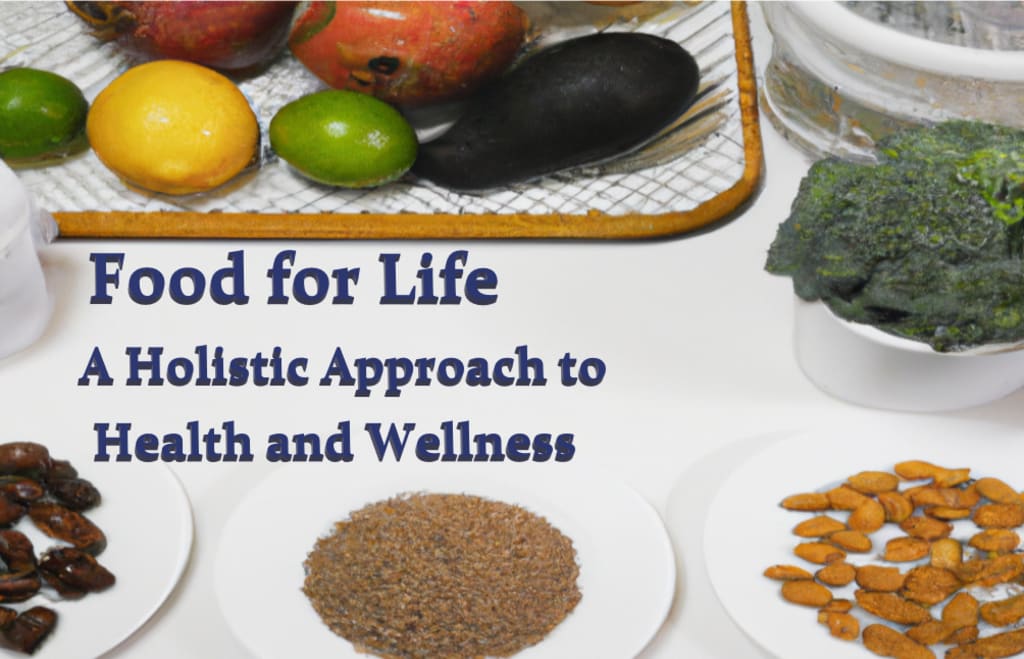
Diet control is the practice of eating a balanced and healthy diet to maintain a healthy weight, improve overall health and prevent chronic diseases. Many people struggle with diet control due to the abundance of unhealthy food options, busy lifestyles, and other factors. However, with the right knowledge and tools, anyone can develop healthy eating habits and control their diet for long-term health benefits.
In this book, we will explore the importance of diet control, the benefits of a healthy diet, and tips for controlling your diet. We will also provide a sample meal plan and recipes to help you get started on your journey to better health.
Understanding Diet Control
Diet control is all about managing your daily food intake. It involves choosing the right types of foods and controlling portion sizes to achieve your health goals. For example, if you want to lose weight, you may need to reduce your calorie intake and increase your physical activity. If you want to improve your overall health, you may need to focus on eating more nutrient-dense foods and limiting your intake of processed and unhealthy foods.
When it comes to diet control, it's important to remember that there is no one-size-fits-all approach. Everyone's nutritional needs are different, and what works for one person may not work for another. However, there are some basic principles that everyone can follow to help them achieve their health goals.
Chapter 1: Understanding the Importance of Diet Control
Diet control is critical for maintaining a healthy weight, managing chronic diseases, and promoting overall health and well-being. As we age, our bodies require different nutrients and fewer calories. Therefore, it is essential to adjust our diets to meet these changing needs. In addition, proper nutrition can help prevent age-related diseases and support our immune system, which is vital as we get older.
Chapter 2: The Components of a Healthy Diet
A healthy diet consists of a balanced combination of carbohydrates, proteins, fats, vitamins, and minerals. It is essential to consume a variety of foods from all food groups to ensure that you are getting all the necessary nutrients your body requires. For example, carbohydrates provide the body with energy, while proteins help build and repair tissues. Healthy fats are necessary for brain function, and vitamins and minerals support various bodily functions.
Chapter 3: Tips for Eating a Healthy Diet
Eating a healthy diet does not have to be complicated. Here are some tips to help you eat healthily:
1. Eat plenty of fruits and vegetables - aim for at least five servings per day.
2. Choose lean protein sources, such as poultry, fish, and legumes.
3. Limit your intake of saturated and trans fats.
4. Incorporate healthy fats, such as avocados, nuts, and seeds.
5. Choose whole grains over refined grains.
6. Limit your intake of processed foods and sugary drinks.
7. Stay hydrated by drinking plenty of water.
Chapter 4: Diet Control for Weight Management
Maintaining a healthy weight is crucial for overall health and well-being. As we age, it can become more challenging to maintain a healthy weight due to changes in metabolism and hormone levels. However, a healthy diet and regular exercise can help you achieve and maintain a healthy weight.
Here are some tips for weight management:
1. Practice portion control.
2. Eat slowly and mindfully, paying attention to your hunger and fullness cues.
3. Plan your meals and snacks ahead of time to avoid impulsive eating.
4. Choose nutrient-dense, low-calorie foods.
5. Get regular physical activity, such as walking, jogging, or strength training.
Chapter 5: Diet Control for Chronic Disease Management
As we age, we are more susceptible to chronic diseases such as diabetes, hypertension, and heart disease. A healthy diet can help manage these conditions and prevent complications. Here are some tips for managing chronic diseases through diet control:
1. Choose foods that are low in sodium, sugar, and unhealthy fats.
2. Eat a variety of fruits and vegetables to obtain essential vitamins and minerals.
3. Limit your intake of processed and red meat.
4. Choose whole grains and high-fiber foods.
5. Monitor your carbohydrate intake if you have diabetes.
6. Work with a registered dietitian to create a personalized meal plan for your specific condition.
Chapter 6: Diet Control for Healthy Aging
Aging is a natural process, but a healthy diet can help slow the aging process and improve overall health and well-being.
Here are some tips for healthy aging through diet control:
1. Eat a balanced diet
Eating a balanced diet is one of the most important things you can do to achieve good health. A balanced diet should include a variety of foods from all the food groups, including fruits, vegetables, whole grains, lean proteins, and healthy fats. By eating a variety of foods, you will be able to get all the nutrients your body needs to function properly.
2. Control your portion sizes
Controlling your portion sizes is crucial for diet control. Even if you are eating healthy foods, consuming too much of them can lead to weight gain. To control your portion sizes, try using smaller plates, measuring your food, and avoiding second servings.
3. Limit your intake of processed foods
Processed foods are often high in calories, sugar, and unhealthy fats. They are also low in nutrients. To improve your diet, try to limit your intake of processed foods and focus on whole, nutrient-dense foods instead.
4. Eat more fruits and vegetables
Fruits and vegetables are packed with vitamins, minerals, and fiber, making them an essential part of a healthy diet. Try to eat at least five servings of fruits and vegetables every day to ensure you are getting enough of these essential nutrients.
5. Choose lean proteins
Protein is an essential nutrient that helps build and repair tissues in the body. However, some sources of protein are high in unhealthy fats. To get the most benefit from protein, choose lean sources such as chicken, fish, beans, and legumes.
6. Drink plenty of water
Drinking water is essential for good health. It helps keep your body hydrated, aids in digestion, and can even help you feel full, reducing the likelihood of overeating. Aim to drink at least eight glasses of water every day.
7. Limit your intake of sugary drinks
Sugary drinks, such as soda and juice, are high in calories and sugar, and can contribute to weight gain and other health problems. To improve your diet, try to limit your intake of these drinks and drink water or unsweetened beverages instead.
8. Keep a food journal
Keeping a food journal can help you stay on track with your diet goals. By writing down what you eat and drink every day, you can identify areas where you may need to make changes and hold yourself accountable for your choices.
9. Get regular exercise
Regular exercise is an essential part of a healthy lifestyle. It can help you maintain a healthy weight, improve your mood, and reduce your risk of various health problems. Aim for at least 30 minutes of moderate exercise every day.
10. Seek support
Diet control can be challenging, especially if you are trying to make significant changes
Chapter 7: Benefits of a Healthy Diet
A healthy diet can provide numerous benefits for both physical and mental health. Some of the key benefits include:
1. Weight management: A balanced diet can help you maintain a healthy weight and reduce the risk of obesity.
2. Improved energy levels: Nutrient-dense foods provide the body with the energy it needs to function at its best.
3. Reduced risk of chronic diseases: A healthy diet can help prevent chronic diseases such as diabetes, heart disease, and stroke.
4. Improved mood: Research suggests that a healthy diet can improve mood and reduce symptoms of depression.
5. Improved brain function: Nutrient-dense foods can help improve cognitive function, memory, and concentration.
Chapter 8: Tips for Controlling Your Diet
Controlling your diet can be a challenge, especially with so many unhealthy food options available. However, with the right mindset and tools, anyone can develop healthy eating habits. Here are some tips for controlling your diet:
1. Plan your meals: Planning your meals in advance can help you stay on track and avoid making unhealthy food choices. Consider meal prepping or creating a weekly meal plan.
2. Keep healthy snacks on hand: Keep healthy snacks such as fruit, nuts, and seeds on hand for when you need a quick and healthy snack.
3. Practice mindful eating: Take the time to enjoy your food and listen to your body's hunger and fullness cues. Avoid eating while distracted, such as while watching TV or working.
4. Avoid processed and junk foods: Processed and junk foods are often high in unhealthy fats, added sugars, and calories. Opt for whole, nutrient-dense foods instead.
5. Stay hydrated: Drinking plenty of water can help you stay hydrated and prevent overeating.
6. Cook at home: Cooking at home allows you to control the ingredients and portion sizes of your meals.
Chapter 9: Sample Meal Plan and Recipes
To help you get started on your journey to better health, here is a sample meal plan and some healthy recipes:
Meal Plan:
Breakfast: Greek yogurt with berries and a sprinkle of granola
Snack: Apple slices with almond butter
Lunch: Grilled chicken salad with mixed greens, tomatoes, cucumber, and balsamic vinaigrette
Snack: Carrots and hummus
Dinner: Baked salmon with roasted vegetables and quinoa
Here are ten diet recipes that are healthy and delicious:
Recipes:
1. Grilled Chicken Salad
Ingredients:
1. Grilled Chicken and Vegetables
• 4 boneless, skinless chicken breasts
• 1 red bell pepper, sliced
• 1 yellow bell pepper, sliced
• 1 zucchini, sliced
• 1 red onion, sliced
• 2 tablespoons olive oil
• 1 teaspoon garlic powder
• Salt and pepper to taste
Instructions: Preheat grill to medium-high heat. In a bowl, combine the chicken, vegetables, olive oil, garlic powder, salt, and pepper. Toss to coat. Grill the chicken for 6-8 minutes per side or until cooked through. Grill the vegetables for 4-6 minutes or until tender.
2. Quinoa Salad
Ingredients:
. 2 cups cooked quinoa
• 1 can black beans, drained and rinsed
• 1 red bell pepper, diced
• 1 yellow bell pepper, diced
• 1 avocado, diced
• 1/4 cup chopped fresh cilantro
• Juice of 1 lime
• Salt and pepper to taste
Instructions: In a large bowl, combine the quinoa, black beans, bell peppers, avocado, cilantro, lime juice, salt, and pepper. Toss to combine.
3. Baked Salmon with Roasted Vegetables
Ingredients:
. 4 salmon fillets
• 1 bunch asparagus, trimmed
• 1 pint cherry tomatoes
• 2 tablespoons olive oil
• 1 teaspoon garlic powder
• Salt and pepper to taste
Instructions: Preheat oven to 400°F. Place the salmon fillets in a baking dish. In a bowl, toss the asparagus and cherry tomatoes with olive oil, garlic powder, salt, and pepper. Arrange the vegetables around the salmon fillets. Bake for 12-15 minutes or until the salmon is cooked through and the vegetables are tender.
4. Vegetable Stir Fry
Ingredients:
. 1 tablespoon olive oil
• 1 red bell pepper, sliced
• 1 yellow bell pepper, sliced
• 1 zucchini, sliced
• 1 carrot, sliced
• 1 onion, sliced
• 2 garlic cloves, minced
• 2 tablespoons soy sauce
• 1 tablespoon honey
• 1 teaspoon ginger, grated
Instructions: Heat the olive oil in a large pan over medium-high heat. Add the vegetables and garlic and stir fry for 5-7 minutes or until tender. In a small bowl, whisk together the soy sauce, honey, and ginger. Add the sauce to the pan and stir to coat the vegetables. Cook for an additional minute or until the sauce is heated through.
5. Chicken and Broccoli Stir Fry
Ingredients:
. 4 boneless, skinless chicken breasts, sliced
• 2 cups broccoli florets
• 1 red bell pepper, sliced
• 1 tablespoon olive oil
• 2 garlic cloves, minced
• 2 tablespoons soy sauce
• 1 tablespoon honey
• 1 teaspoon ginger, grated
Instructions: Heat the olive oil in a large pan over medium-high heat. Add the chicken and stir fry for 6-8 minutes or until cooked through. Add the broccoli, red bell pepper, and garlic and stir fry for an additional 3-4 minutes or until the vegetables are tender. In a small bowl, whisk together the soy sauce, honey, and ginger. Add the sauce to the pan and stir to coat the chicken and vegetables. Cook for an additional minute or until the sauce is heated through.
6.Grilled Salmon with Vegetables
Ingredients:
• 4 salmon fillets
• 1 large zucchini
• 1 large red bell pepper
• 1 large red onion
• 1 tablespoon olive oil
• Salt and pepper to taste
Instructions:
1. Preheat grill to medium-high heat.
2. Cut zucchini, red bell pepper, and red onion into bite-sized pieces.
3. Toss vegetables with olive oil, salt, and pepper.
4. Grill vegetables and salmon fillets for 10-12 minutes, or until cooked through.
7.Roasted Chicken and Vegetables
Ingredients:
• 4 chicken thighs
• 2 large carrots, peeled and sliced
• 2 large parsnips, peeled and sliced
• 1 large onion, sliced
• 1 tablespoon olive oil
• Salt and pepper to taste
Instructions:
1. Preheat oven to 400°F.
2. Toss vegetables with olive oil, salt, and pepper.
3. Place chicken thighs on a baking sheet and add vegetables around the chicken.
4. Roast for 35-40 minutes, or until chicken is cooked through and vegetables are tender.
8.Turkey Chili
Ingredients:
• 1 pound ground turkey
• 1 large onion, chopped
• 1 red bell pepper, chopped
• 1 green bell pepper, chopped
• 2 cloves garlic, minced
• 1 tablespoon chili powder
• 1 teaspoon cumin
• 1 teaspoon paprika
• 1 can black beans, drained and rinsed
• 1 can diced tomatoes
• Salt and pepper to taste
Instructions:
1. Heat a large pot over medium heat.
2. Add ground turkey, onion, red and green bell peppers, and garlic. Cook until turkey is browned and vegetables are tender.
3. Add chili powder, cumin, and paprika. Stir to combine.
4. Add black beans and diced tomatoes. Bring to a simmer and cook for 20-30 minutes, or until flavors are well combined.
9.Quinoa Salad with Chickpeas and Tomatoes
Ingredients:
• 2 cups cooked quinoa
• 1 can chickpeas, drained and rinsed
• 1 pint cherry tomatoes, halved
• 1 small red onion, sliced
• 1/4 cup chopped fresh parsley
• 2 tablespoons olive oil
• 2 tablespoons lemon juice
• Salt and pepper to taste
Instructions:
1. In a large bowl, combine cooked quinoa, chickpeas, cherry tomatoes, red onion, and parsley.
2. In a small bowl, whisk together olive oil, lemon juice, salt, and pepper.
3. Drizzle dressing over quinoa salad and toss to combine.
10.Grilled Chicken with Sautéed Spinach
Ingredients:
• 4 boneless, skinless chicken breasts
• 2 cloves garlic, minced
• 1 tsp paprika
• 1 tsp cumin
• 1 tsp salt
• 1/2 tsp black pepper
• 2 tbsp olive oil
• 10 oz fresh baby spinach
• 1/4 cup chicken broth
• 1/4 cup grated Parmesan cheese
• Salt and pepper, to taste
Instructions:
Preheat grill to medium-high heat.
In a small bowl, mix together garlic, paprika, cumin, salt, black pepper, and olive oil to make a marinade.
Rub the marinade onto the chicken breasts and let them marinate for at least 30 minutes.
Grill the chicken breasts for about 5-6 minutes per side, or until the internal temperature reaches 165°F.
While the chicken is grilling, heat a large skillet over medium heat. Add the chicken broth and spinach, and cook until the spinach is wilted and tender, about 3-5 minutes.
Stir in the grated Parmesan cheese and season with salt and pepper to taste.
Serve the grilled chicken with sautéed spinach on the side.
Congratulations! You've made it to the end of this diet control book. By now, you should have a good understanding of how to take control of your eating habits and create a sustainable, healthy diet that works for you.
Remember, diet control is not a one-time event, but a lifestyle change. It takes commitment, persistence, and patience to develop new habits and break old ones. But with the right mindset and tools, you can achieve your health and wellness goals.
Here are some key takeaways to keep in mind:
Focus on whole, nutrient-dense foods. These include vegetables, fruits, whole grains, lean protein, and healthy fats. Avoid processed and refined foods as much as possible.
Pay attention to portion sizes. Even healthy foods can lead to weight gain if consumed in excess. Use a food scale or measuring cups to ensure you're eating the right amount.
Keep track of what you eat. Whether you use a food diary, a nutrition app, or simply write down what you eat, tracking your food intake can help you stay accountable and make better choices.
Drink plenty of water. Staying hydrated is important for your overall health and can also help control your appetite.
Don't deprive yourself. Allow yourself to indulge in your favorite foods in moderation. This can help prevent feelings of deprivation and make your diet more sustainable in the long run.
Seek support. Whether it's through a support group, a friend or family member, or a healthcare professional, having a support system can make it easier to stick to your goals.
Remember, every journey is unique, and it's okay to take it one step at a time. Don't be too hard on yourself, and celebrate small victories along the way. With patience, determination, and a little help from this book, you can achieve your health and wellness goals and live your best life.
Thank you
About the Creator
loganathan
hi i am loganathan living in india my passion is always been writing. I am particularly drawn to writing food recipes and diet tips also like travel that has relatable storylines which hopefully keep readers engaged
Keep reading
More stories from loganathan and writers in Feast and other communities.
"Savor the Spice"
10 South Indian Non-Vegetarian Recipes Introduction: South Indian cuisine is known for its rich and flavorful dishes, and non-vegetarian recipes are no exception. From tangy seafood curries to fiery chicken fry, there is no shortage of delicious non-veg recipes in South India. In this book, we bring you 10 of the best South Indian non-veg recipes that are sure to tickle your taste buds.
By loganathan3 years ago in Feast
Philippines Cheese Market: Culinary Adoption, Retail Expansion & Growing Consumer Appetite
Philippines Cheese Market Overview The Philippines cheese market is undergoing steady expansion as changing dietary trends, urbanisation and rising consumer incomes drive greater adoption of cheese in both everyday meals and premium culinary experiences. Cheese — encompassing processed varieties like mozzarella and cheddar as well as natural and specialty options — is becoming an integral ingredient across modern Filipino households, restaurants and foodservice menus. The Philippines cheese market size reached USD 1,959.6 Million in 2025. The market is projected to reach USD 2,987.6 Million by 2034, exhibiting a growth rate (CAGR) of 4.80% during 2026-2034. This growth reflects broader shifts in consumption habits, expanding retail distribution, improved cold-chain infrastructure and increasing exposure to Western food influences.
By Manisha Dixit5 days ago in Feast
Instructions Included Challenge Winners
For the Instructions Included challenge, we asked writers to tell a story through instructions and to trust the form to carry what could not be said outright. Across the top entries, that trust paid off in many different ways.
By Vocal Curation Team7 days ago in Resources




Comments
There are no comments for this story
Be the first to respond and start the conversation.