
Submersible Pump Guide: Everything You Need to Know Before Buying
11 Expert Tips You Must Know Before Buying
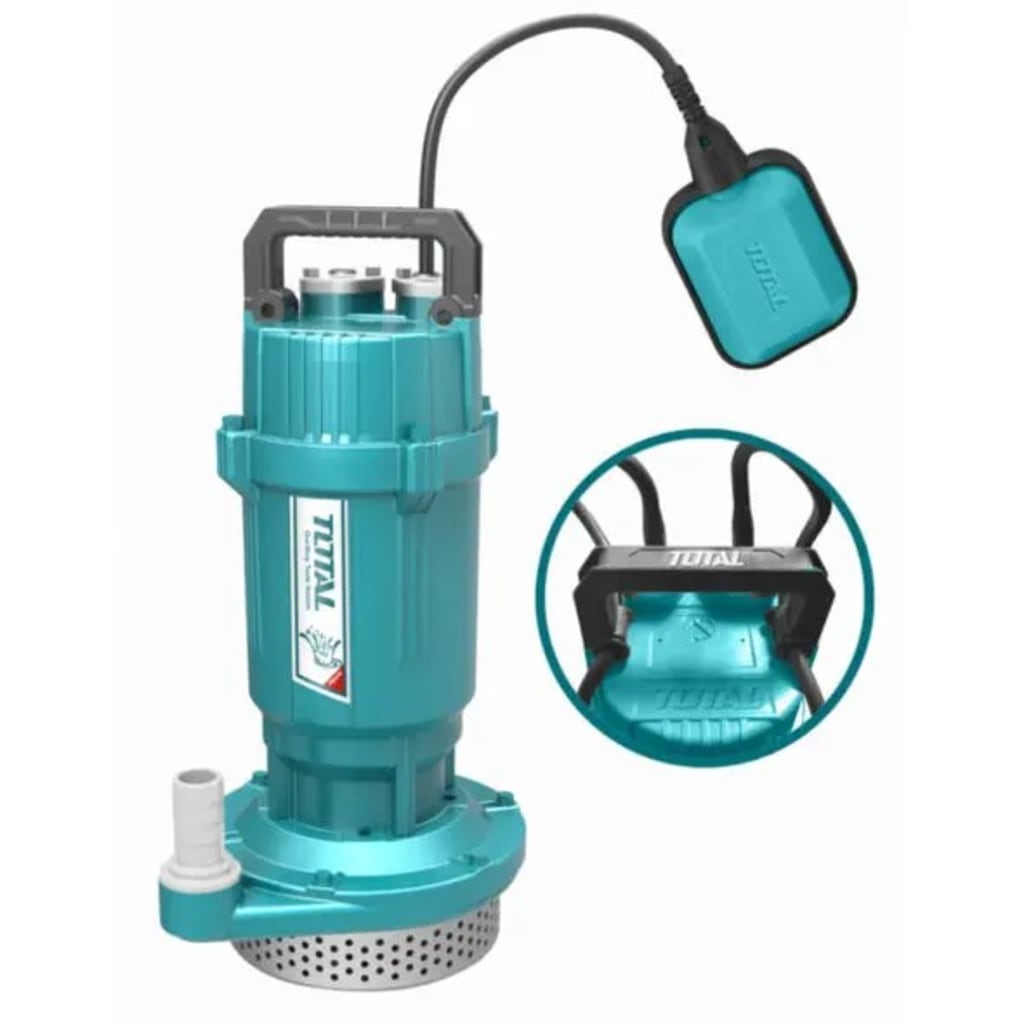
When it comes to moving water efficiently, few devices are as reliable as the submersible pump. Whether you’re a homeowner looking to prevent basement flooding, a farmer needing irrigation, or an industrial buyer sourcing equipment for wastewater treatment, choosing the right submersible pump can save you time, money, and stress.
This comprehensive guide from purchaser.com will walk you through everything you need to know about submersible pumps—including how they work, different types, key buying factors, installation tips, maintenance, pricing, and FAQs. By the end, you’ll be fully equipped to make a smart purchase.
What is a Submersible Pump?
A submersible pump is a type of water pump designed to operate while fully submerged in the liquid it is pumping. Unlike traditional pumps that pull water from above, submersible pumps push water upward, making them more efficient and less prone to common problems like air leaks or cavitation.
They’re often installed in wells, sumps, boreholes, and tanks, delivering consistent water flow for residential, agricultural, municipal, and industrial purposes.
How Do Submersible Pumps Work?
The pump’s motor is sealed inside a waterproof casing to prevent damage. Once powered, the motor drives an impeller that forces water into the pump and upward through a pipe to the surface. Because the pump is submerged, it avoids the inefficiency of suction-based systems.
Key features of their operation include:
- High efficiency since the pump doesn’t need priming.
- Low noise levels because the motor is underwater.
- Long lifespan when properly maintained.
Advantages of Submersible Pumps
Energy Efficiency – Reduced friction makes them cheaper to run over time.
Durability – Sealed motors are less likely to overheat or corrode.
Versatility – Works with clean water, dirty water, sewage, and chemicals.
Silent Operation – Perfect for residential and indoor use.
Space Saving – Installed inside the water source, requiring no extra floor space.
Types of Submersible Pumps
Different needs require different pumps. Here are the most common categories:
1. Borewell Submersible Pumps
Designed to extract water from deep underground wells (100–500 feet), making them popular in households and farms.
2. Sewage Submersible Pumps
Built for handling wastewater with solids. They are widely used in sewage treatment plants and flood-prone areas.
3. Sump Pumps
Compact pumps installed in basements to prevent flooding by removing excess water.
4. Utility Submersible Pumps
Portable and versatile, used for draining swimming pools, emptying tanks, or managing construction site water.
Applications of Submersible Pumps
Residential: Supplying water from wells, basement drainage, garden irrigation.
Agriculture: Irrigating crops, filling storage tanks, livestock watering.
Industrial: Pumping chemicals, coolant circulation, wastewater management.
Municipal/Commercial: Water supply systems, sewage networks, stormwater drainage.
Factors to Consider Before Buying
Buying the wrong pump can result in higher costs and inefficiency. Here’s what you need to check:
1. Pump Capacity & Flow Rate
Determine how much water you need per minute (GPM/LPM). A borewell for a home will need less than an industrial system.
2. Head & Pressure
Head refers to the vertical distance the pump must lift water. Always check your depth requirements.
3. Power Consumption & Efficiency
Look for energy-efficient pumps to save on long-term electricity bills.
4. Build Material
Stainless steel and cast iron pumps last longer, especially in corrosive environments.
5. Maintenance Needs
Choose a pump with accessible parts and a strong warranty.
Choosing the Right Pump for Your Needs
For homes: A sump pump or borewell pump with moderate flow rate.
For farms: A borewell or irrigation pump with higher head capacity.
For factories: Heavy-duty sewage or industrial-grade pumps.
For municipalities: Large-scale pumps with durability and backup features.
Installation Tips
Professional vs. DIY: Deep borewell or sewage pumps should be installed by professionals, while sump and utility pumps can often be DIY-installed.
Safety Measures: Always ensure proper grounding, waterproof electrical connections, and regular checks before use.
Maintenance & Troubleshooting
- Routine Maintenance Checklist
- Inspect power cables for wear.
- Check impellers for clogging.
- Test pump operation monthly.
- Clean strainers and filters.
Common Issues & Fixes
Pump not starting: Check power supply or float switch.
Low water flow: Clean filters or impellers.
Unusual noise: May indicate a worn bearing or blockage.
Top Brands and Models
Some well-known and trusted names in the submersible pump market include:
Total – High-performance pumps for industrial and municipal use.
Franklin Electric – Popular in agricultural and residential sectors.
Kirloskar – Affordable and durable options for homeowners.
Zoeller – Known for sump and sewage pumps in North America.
(For more options, check Pump Industry Association for certified manufacturers.)
Environmental Impact
Energy Efficiency: Modern submersible pumps consume less electricity compared to older models.
Water Management: Prevents water wastage through effective delivery.
Eco-Friendly Materials: Many manufacturers now use recyclable components.
FAQs About Submersible Pumps
Q1. How long do submersible pumps last?
A well-maintained pump can last 8–15 years, depending on usage and water quality.
Q2. Can submersible pumps run dry?
No, running dry can damage the motor. Always ensure the pump is submerged.
Q3. Are submersible pumps noisy?
No, since they operate underwater, they are much quieter than surface pumps.
Q4. What size pump do I need for my home?
For a typical household, a pump with 10–20 GPM capacity is usually sufficient.
Q5. Do I need a filter with my pump?
Yes, especially for sewage or dirty water applications to avoid clogging.
Q6. What’s better: single-phase or three-phase pumps?
Single-phase is suitable for households, while three-phase is better for farms and industries.
Conclusion
A submersible pump is a smart investment if chosen carefully. From borewell to sewage to sump pumps, each type serves a unique purpose. By considering flow rate, head, power efficiency, and durability, you can select the right model for your home, farm, or business.
At purchaser.com, we recommend doing thorough research, comparing brands, and always prioritizing long-term savings over just upfront cost. With the right pump, you’ll enjoy reliable water management for years to come.
About the Creator
Keep reading
More stories from Abdul Alim and writers in Education and other communities.
Step-by-Step: How Dividing Head Plates Simplify Complex Machining
In modern machining, accuracy and repeatability are non-negotiable. Whether you’re cutting gears in Faisalabad, drilling bolt circles in Lahore, or machining splines in Karachi, one tool plays a major role in simplifying complex operations: the dividing head plate.
By Abdul Alim5 months ago in Education



Comments
There are no comments for this story
Be the first to respond and start the conversation.