Science
“Meat the Future” Takes Viewers to the Meat-Growing Lab
According to the USDA, the average American consumed an estimated 144 pounds of meat in 2017. Although plant-based products have soared in popularity since hitting mainstream markets, it seems Americans are far from willing to give up meat entirely. Which is why a team of scientists at Upside Foods (formerly known as Memphis Meats) have set out to make cultivated meat the new norm.
By lupu alexandra3 years ago in Earth
Do You Know Where Your Water Comes From?
It wasn’t until she was 26 and had one degree in environmental science and another in water recycling that Nina Gordon-Kirsch learned where the water in her faucet came from. The Mokelumne River, which carries snowmelt from the Sierra through the Central Valley and out to the San Francisco Bay delta, is surprisingly little-known considering how many lives depend on it.
By lupu alexandra3 years ago in Earth
Climate activists make their presence known at COP26
The international COP26 climate conference, seen by many as the last chance to establish a climate agenda that will curb global temperature rise, is more than halfway over. Only a few days remain for the world’s most prominent political, economic, and environmental leaders to commit to transitioning the world away from fossil fuels.
By lupu alexandra3 years ago in Earth
This Is the Decade to Reduce Emissions
As the sun rose in Glasgow, over 20,000 people—delegates from individual nations, representatives of nongovernmental organizations, and activists—gathered in Scotland for the start of the United Nations’ two-week climate conference. Known as the Conference of the Parties, or COP26, it runs from Monday, November 1, to Friday, November 12, 2021.
By lupu alexandra3 years ago in Earth
Facing Intransigence From Manchin, Environmentalists Look for Ways to Slash Carbon Pollution
Last week, Senator Joe Manchin, the Democrat from West Virginia who has made a personal fortune from his fossil fuel investments, pulled the rug out from underneath Democrats’ climate agenda. The senator said he would not vote for the Clean Energy Performance Program, or CEPP, the flagship climate policy of the Build Back Better legislation that would require power companies to rapidly replace fossil fuels with renewables such as solar and wind.
By lupu alexandra3 years ago in Earth
Heeding the Pandemic’s Warnings
When Katey Hedger walked into the Satria Bird Market in Bali in March 2021, the first thing to hit her was the smell. “There were droppings everywhere, all over the floor, and the floor was wet,” Hedger says. “I tried my best not to touch anything.”
By lupu alexandra3 years ago in Earth
The Electricity Is Melting
Glaciers sit high and heavy in the mountains, vast seas of ice suspended thousands of feet above cities and villages. The tremendous potential energy that makes avalanches so deadly has, in the past, made glaciers an enviable source of power for communities living downslope.
By lupu alexandra3 years ago in Earth
Can the Defense Production Act Jump-Start a Transition to Renewable Energy?
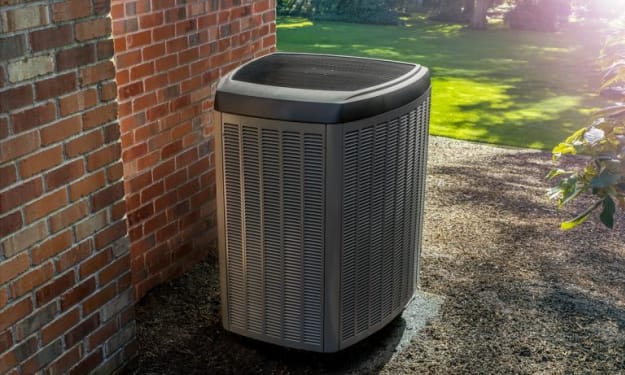
Clean energy advocates and climate activists are pumped. On June 6, President Biden invoked the Domestic Production Act (DPA) to accelerate the domestic production of five key energy technologies: solar panel parts; transformers and other grid components; heat pumps; building insulation; and the equipment needed to produce clean hydrogen fuel. In tandem, the administration is suspending the tariffs on solar panels that have stalled solar installations here in the United States.
By lupu alexandra3 years ago in Earth
Bird + Whale + Turbine
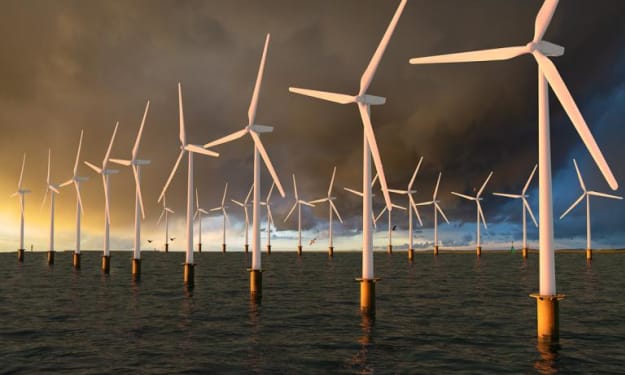
In March last year, the Biden administration announced a plan to generate 30 gigawatts of offshore wind power by 2030, enough to provide electricity for more than 10 million homes. To meet that goal, the Departments of Interior (DOI), Energy (DOE), and Commerce (DOC) announced a plan to collaborate on expediting the leasing and permitting processes for offshore wind facilities. The first large-scale offshore wind facility in the US, the 800-megawatt Vineyard Wind farm, was approved a few months later and broke ground off the coast of Cape Cod, Massachusetts, in November.
By lupu alexandra3 years ago in Earth
The "Big Science" Behind Climate Change
Big data”—the massive data sets that have become easier to create and interpret as computing power and storage have increased—has had a huge effect on the way the advertising, insurance, and finance industries do business. But can big data solve larger societal issues? Some scientists believe that it will be a valuable tool in climate change mitigation and adaptation, but the University of Minnesota’s Vipin Kumar, PhD, believes it can also help slow down climate change in the here and now.
By lupu alexandra3 years ago in Earth
This Mysterious Fish Could Rescue East Coast Rivers
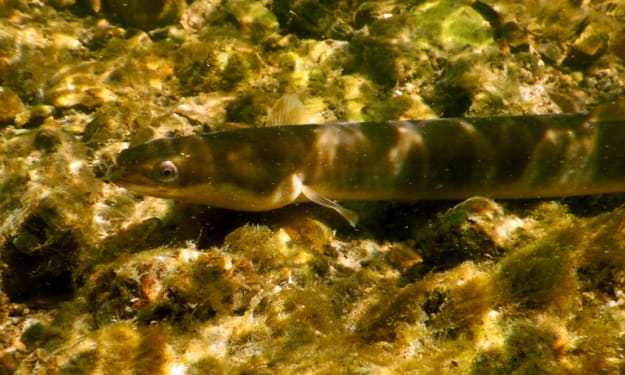
Just as rural Pennsylvania’s Amish farmland turns to coalfields, there's a wide stretch of the Swatara Creek—the Swatty, to locals—that's popular with anglers and kayakers. Although quiet now, a century ago it was home to one of the largest commercial fisheries in the east. Swatara is derived from a Susquehannock word that means "where we feed on eels." The creek used to teem with them—hundreds of thousands of American eels, making their way up the Swatty and other tributaries of the Susquehanna River.
By lupu alexandra3 years ago in Earth
Who’s Afraid of a Carbon Capture Pipeline?
Last summer, the Intergovernmental Panel on Climate Change (IPCC) issued a barn burner of a report laying out an unpleasant reality: Cutting CO2 emissions is no longer enough—countries also need to capture CO2 and store it away. Historically, the United States has been late to the party when it comes to implementing IPCC recommendations, but when the report dropped, the United States was already in the early stages of a very specific boom in carbon capture infrastructure—specifically, new pipelines that would carry captured CO2.
By lupu alexandra3 years ago in Earth