Nature
Dolphins and Orcas Can’t Evolve Back to Land, Scientists Say. AI-Generated.
For decades, scientists and enthusiasts have speculated about the possibility of dolphins, orcas, and other cetaceans evolving back onto land. After all, these marine mammals originated from land-dwelling ancestors millions of years ago. However, recent research confirms what many evolutionary biologists suspected: dolphins and orcas cannot evolve back to live on land.
By Aarif Lashariabout a month ago in Earth
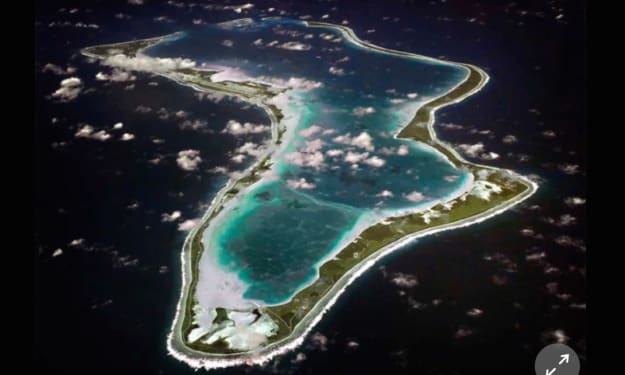
Trump Calls UK’s Chagos Islands Sovereignty Decision an Act of ‘Great Stupidity’. AI-Generated.
Former U.S. President Donald Trump has criticized the United Kingdom’s decision to hand over sovereignty of the Chagos Islands to Mauritius, calling it an act of “great stupidity.” This high-profile statement has reignited debates over colonial legacies, geopolitical alliances, and the rights of local communities. While the issue may seem distant to many, it carries significant implications for global politics, regional stability, and the affected communities. The Chagos Islands, a strategically located archipelago in the Indian Ocean, have long been a point of contention between the UK, Mauritius, and the United States, which maintains a military base on Diego Garcia, one of the largest islands. The latest political statements have highlighted not only international disagreements but also how decisions by governments can affect local populations and global perceptions. Why the UK Is Handing Over the Chagos Islands The UK’s decision to transfer sovereignty to Mauritius comes after years of legal challenges and international pressure. The United Nations has repeatedly called for the return of the islands to Mauritius, stating that the previous detachment in 1965 was illegal. The move aims to: Resolve a longstanding international dispute Acknowledge the rights of the Chagossian people, many of whom were forcibly removed from the islands decades ago Comply with international law and UN recommendations For many in Mauritius and the Chagossian diaspora, the transfer represents justice and recognition of their historical grievances. Trump’s Criticism and Its Context Trump described the UK’s decision as “an act of great stupidity,” emphasizing strategic and military concerns. The United States relies on Diego Garcia for one of its key military bases, crucial for operations in the Indian Ocean region and beyond. From Trump’s perspective, the sovereignty transfer could: Complicate U.S. military logistics Create uncertainty over strategic agreements Signal weakness in alliances with close partners like the UK However, critics argue that such statements overlook the rights of the displaced Chagossian communities and the importance of resolving colonial-era injustices. Impact on Local Communities The Chagos Islands have a unique human story. In the 1960s and 1970s, the indigenous Chagossian population was forcibly removed to make way for a U.S. military base. Families were relocated to Mauritius, the Seychelles, and other areas, often under harsh conditions. The sovereignty transfer could: Support efforts for Chagossians to return home Enable compensation and recognition of historical wrongs Promote cultural and community restoration Community advocates argue that international legal decisions should prioritize the welfare and rights of displaced populations, not just geopolitical or strategic interests. Geopolitical Implications The dispute is more than a bilateral issue between the UK and Mauritius. It has global political ramifications, including: U.S.-UK relations: While the UK maintains a strategic alliance with the U.S., the sovereignty decision may raise tensions over military operations. Indian Ocean stability: The islands are located in a key maritime region, affecting naval operations, trade routes, and regional security. International law precedent: Recognizing Mauritius’ claim reinforces UN rulings on decolonization and territorial sovereignty. For communities that follow global politics, these dynamics highlight how high-level political decisions impact both strategy and society. Media and Public Reaction Trump’s comments have dominated media coverage, sparking debate in international communities and online forums. Public opinion is divided: Supporters of Trump’s viewpoint cite national security concerns and strategic importance. Critics highlight colonial injustices and the need to respect the rights of indigenous populations. Social media discussions reveal growing interest in the balance between military strategy and human rights, showing that global decisions resonate with everyday communities. Legal and Ethical Considerations The transfer of the Chagos Islands raises several legal and ethical issues: Sovereignty and Self-Determination: The Chagossian people’s right to return and their cultural identity must be respected. Colonial History: Addressing past injustices is an ethical obligation for governments involved in colonial-era displacement. Military Agreements: Ensuring strategic stability while honoring international law is a complex balancing act. Legal scholars note that this case could set a precedent for other disputed territories, influencing how communities worldwide perceive justice, sovereignty, and rights. Why This Matters to Communities Even though the Chagos Islands are remote, the controversy touches on community awareness and engagement: Diaspora Communities: Chagossians and Mauritians see this as a historic moment affecting their families and heritage. Global Citizens: People interested in human rights and international law follow such cases to understand justice and accountability. Policy Advocates: NGOs and advocacy groups use this dispute to promote awareness of displacement, sovereignty, and ethical governance. In short, political decisions at the top level ripple down to real people, influencing lives, cultural identity, and community cohesion. Looking Ahead The future of the Chagos Islands will depend on: Implementation of sovereignty transfer: Ensuring legal and diplomatic arrangements are respected. U.S.-UK negotiations: Maintaining strategic interests while addressing human rights. Chagossian return programs: Supporting the restoration of communities affected by displacement. The controversy is a reminder that politics and community welfare are intertwined, and decisions made in boardrooms or government offices can have lasting effects on populations far from the center of power. The Takeaway Trump’s statement about the Chagos Islands sovereignty highlights the tension between geopolitical strategy and community justice. While international relations and military interests are important, the voices of the displaced Chagossian community cannot be ignored. For communities following global politics, the case demonstrates how: International decisions affect local populations Human rights and sovereignty are key considerations Awareness and advocacy by communities can influence global policy As debates continue, the story of the Chagos Islands serves as a reminder that political and strategic choices have human consequences, and that protecting community rights is as vital as maintaining alliances.
By Muhammad Hassanabout a month ago in Earth
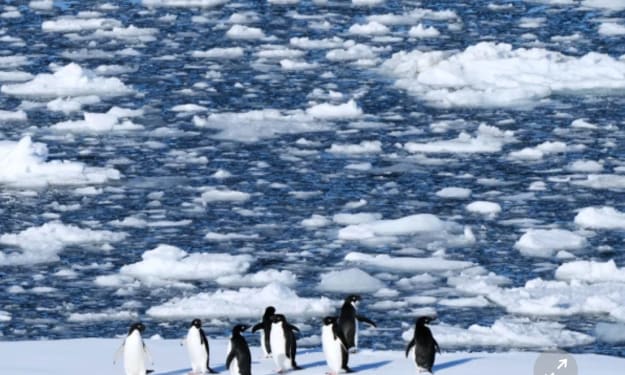
Antarctic Penguin Breeding Is Heating Up Sooner — and That’s a Big Problem. AI-Generated.
Scientists have discovered that penguins in Antarctica are starting their breeding season earlier than ever before — a change that might sound harmless but is actually raising alarms among researchers. As temperatures in the Southern Hemisphere rise and sea ice patterns shift, these iconic birds are facing challenges that could ripple through the entire Antarctic ecosystem. The finding, based on decades of field observations, highlights how climate change is not just melting glaciers or warming oceans — it is directly affecting wildlife behaviors in ways that could have long-term consequences. For communities of scientists, conservationists, and even eco-tourists who value Antarctica’s unique wildlife, the implications are serious. Why Penguin Breeding Is Happening Sooner For decades, researchers have tracked the Adélie and emperor penguin populations across Antarctica. By comparing breeding dates with historical data, they noticed a clear trend: penguins are laying eggs and hatching chicks earlier than in previous decades. Dr. Samantha Hughes, a marine biologist studying Antarctic ecosystems, explained: “Penguins are highly sensitive to environmental cues. Warmer temperatures and earlier ice melt mean that the conditions they rely on for breeding are coming sooner, so they adjust their reproductive cycles.” At first glance, this might seem like an adaptive behavior. After all, responding to environmental changes is part of survival. But scientists warn that earlier breeding can create new problems, particularly when it comes to food availability and weather patterns. The Challenges of Earlier Breeding Penguins depend on a delicate balance between breeding timing, ice coverage, and food supply. Fish and krill, which are the primary food sources for chicks, follow their own seasonal patterns. If penguins hatch too early, they may face a mismatch between the peak food supply and the period when chicks need it most. This phenomenon, known as phenological mismatch, can have serious consequences: Chick starvation: Chicks may hatch before food sources are abundant enough to sustain them. Increased predation: Younger, weaker chicks are more vulnerable to predators. Colony instability: Uneven survival rates can disrupt social structures and breeding success within colonies. Dr. Hughes adds: “Even a difference of a few weeks in hatching times can affect survival rates. In an environment as extreme as Antarctica, timing is everything.” Climate Change Is the Driving Force Scientists point to rising temperatures, changing sea ice patterns, and shifting winds as the main factors behind earlier breeding. Over the past 50 years, Antarctic regions have warmed at rates faster than the global average, leading to earlier ice melt in spring. Sea ice is critical because it provides stable platforms for penguins to nest and raise their chicks. When ice melts too early, penguins may be forced to nest in less secure locations, increasing the risk of flooding and chick loss. Additionally, the warming waters affect the abundance of krill, tiny crustaceans that are the foundation of the Antarctic food web. Less krill means less food for penguins, further exacerbating the effects of early breeding. Why This Matters Beyond Penguins Penguins are often seen as indicator species, meaning that changes in their populations can signal broader environmental shifts. If penguin breeding and survival are disrupted, it could indicate that the entire Antarctic ecosystem is under stress, including seals, seabirds, and even fish populations that humans rely on. Communities involved in Antarctic research are particularly concerned because this disruption can affect long-term conservation strategies. Protecting species like penguins isn’t just about preserving wildlife; it’s about maintaining ecosystem health in a region that plays a critical role in regulating global climate. Observing the Changes Researchers have been using a combination of satellite imaging, on-the-ground observation, and drones to monitor penguin colonies. These methods allow scientists to track: Egg-laying dates Chick hatching and growth Colony sizes and survival rates Data collected over decades show a clear pattern: in some regions, penguins are breeding up to two weeks earlier than 50 years ago. While that might seem minor, in the fragile Antarctic environment, even small changes can have cascading effects. What Can Be Done Addressing this problem requires both local and global action. On a local level, conservationists are working to protect key breeding grounds and monitor populations for signs of stress. International cooperation is crucial, because Antarctica is governed by treaties that involve multiple countries. On a broader scale, tackling the root cause — climate change — is essential. Scientists emphasize reducing greenhouse gas emissions to slow warming trends and protect fragile ecosystems. As Dr. Hughes notes: “If we don’t address climate change, these changes aren’t just a temporary anomaly. They could lead to permanent shifts in penguin populations and Antarctic ecosystems.” The Human Connection This issue isn’t just about penguins. Communities of researchers, scientists, and environmental advocates rely on a stable Antarctic ecosystem for studies that inform global climate policy. Eco-tourism communities also depend on healthy penguin populations for responsible tourism, which can be a source of income and education. In other words, the timing of penguin breeding may seem like a small, isolated detail, but it has broader implications for science, conservation, and global awareness. Looking Ahead The discovery that Antarctic penguins are breeding earlier is a wake-up call. It highlights how climate change can subtly, yet profoundly, alter animal behavior. Scientists, conservationists, and policymakers must collaborate to understand these changes and implement strategies to mitigate their impact. For communities around the world who care about wildlife, this is a reminder that even remote ecosystems are interconnected with human actions. Protecting penguins and their habitats isn’t just about saving a species — it’s about protecting the health of the planet and our shared future.
By Muhammad Hassanabout a month ago in Earth
UK Exposed to ‘Serious Harm’ by Failure to Tackle AI Risks, MPs Warn. AI-Generated.
The United Kingdom is facing growing warnings from Parliament that its approach to regulating artificial intelligence (AI) could leave citizens and the financial system exposed to serious harm. A recent report by the House of Commons Treasury Select Committee criticizes the government for a “wait-and-see” attitude toward AI risks, especially in financial services.
By Aarif Lashariabout a month ago in Earth
Trump Slams UK Deal to Hand Over Chagos Islands After Previously Backing It. AI-Generated.
If you thought politics couldn’t surprise you anymore, Donald Trump just proved otherwise. In a dramatic U-turn, the former U.S. president criticized the United Kingdom’s decision to transfer sovereignty of the Chagos Islands to Mauritius—a deal he had previously backed. What was once considered a solution to a decades-long dispute has now become a hot topic, sparking debates about strategy, diplomacy, and international trust.
By Muhammad Hassanabout a month ago in Earth
Medicinal herbs of the Carpathians
According to popular beliefs, the Carpathians are considered a healing "place of power" and there is no mysticism in this. Air with a unique composition and medicinal Carpathian herbs can work real miracles. Since ancient times, the Hutsuls have used them to treat various diseases. Today, herbal medicine in the Carpathians is experiencing its revival, attracting more and more attention from both locals and tourists.
By Olaf Podolskiabout a month ago in Earth
Banyan tree
Early one morning, the forest was alive with an unusual commotion. Birds were chirping frantically, rabbits darted across the undergrowth, and monkeys climbed down from the trees, looking anxiously around. News had spread like wildfire: the oldest and kindest tree in the forest, the venerable Grandpa Banyan, was weak and frail, and it was on the verge of falling.
By Sudais Zakwanabout a month ago in Earth
Oil Well Abandonment Services: Responsible Closure for Long-Term Environmental Safety. AI-Generated.
Oil and gas production is only one chapter in the life of a well. When extraction ends, what happens next is just as important as the energy once produced. Oil well abandonment services ensure that inactive wells are closed in a safe, controlled, and permanent manner, preventing environmental damage and protecting surrounding land for future use. 🌍
By andersenintusabout a month ago in Earth
Severe Geomagnetic Storm Could Bring Northern Lights Across Much of the U.S.
On Monday evening, skywatchers from the Pacific Northwest to the Midwest got ready for something out of the ordinary: a celestial display that typically occurs at high northern latitudes. Americans who provide forecasts as a powerful cloud of charged particles from the sun accelerates toward the Earth's magnetic field, the National Oceanic and Atmospheric Administration (NOAA) has issued a "G4 (Severe) geomagnetic storm watch."
By Raviha Imranabout a month ago in Earth
Trump’s Message to Norway: A Controversial Diplomatic Signa
**Trump’s Message to Norway: A Controversial Diplomatic Signal** In January 2026, a written message sent by former U.S. President Donald Trump to Norway’s Prime Minister Jonas Gahr Støre sparked widespread political debate and media attention. The message quickly became a topic of discussion across the United States and Europe, not because it announced a formal policy change, but because of its tone and implications. It reflected Trump’s personal view of international recognition, his frustration over the Nobel Peace Prize, and his broader vision for American power and security in a changing world.
By America today about a month ago in Earth
GWR Confirms ‘Major Investment’ with Office Lease: What It Means for Plymouth and the South West. AI-Generated.
Great Western Railway (GWR) has confirmed a major long-term investment in Plymouth by securing a significant city-centre office lease close to the railway station. While the announcement may sound like a routine property deal on the surface, it actually signals something much bigger — a vote of confidence in the city, a boost for local regeneration, and a clear statement about the future direction of rail-led development in the South West.
By Muhammad Hassanabout a month ago in Earth