Climate
GWR Confirms ‘Major Investment’ with Office Lease: What It Means for Plymouth and the South West. AI-Generated.
Great Western Railway (GWR) has confirmed a major long-term investment in Plymouth by securing a significant city-centre office lease close to the railway station. While the announcement may sound like a routine property deal on the surface, it actually signals something much bigger — a vote of confidence in the city, a boost for local regeneration, and a clear statement about the future direction of rail-led development in the South West.
By Muhammad Hassanabout a month ago in Earth
Trump’s Greenland Threats Push Europe Toward Divorcing America. AI-Generated.
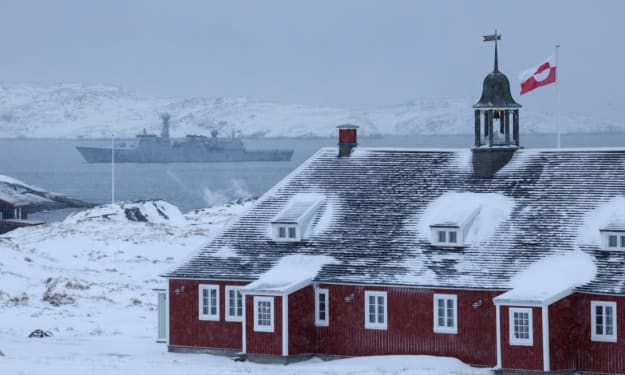
When you think of Greenland, the first things that probably come to mind are icebergs, polar bears, and maybe some adventurous explorers. But lately, Greenland has become the center of a major diplomatic drama — one that’s forcing Europe to question its long-standing relationship with the United States. And the spark? Donald Trump’s threats over Greenland. The Controversy: Trump’s Unusual Move Back in January 2026, Trump shocked the world again, not with an election campaign but with a bold — and many would say bizarre — plan to acquire Greenland. But he didn’t stop at just “expressing interest.” He threatened eight European nations with tariffs — starting at 10% and potentially climbing to 25% — unless Denmark agreed to sell Greenland to the U.S. Yes, you read that right: tariffs on allies to buy a remote Arctic island. For Europe, this was more than shocking — it felt like a betrayal from a partner they’ve relied on for decades. Europe’s Response: Outrage and Solidarity European leaders didn’t hold back. Germany, France, Norway, the UK, and others banded together to condemn Trump’s approach. The message was clear: Europe won’t be blackmailed. Even usually cautious leaders spoke up. Norway’s Prime Minister bluntly said, “Threats have no place among allies.” Meanwhile, European Commission President Ursula von der Leyen emphasized that tariffs between allies “have no place” and could undermine decades of cooperation. This isn’t just a political disagreement. Europe sees this as a test of trust, sovereignty, and alliance reliability. Why Greenland Matters At first glance, Greenland might seem like just a frozen island. But strategically, it’s a big deal: Location: Greenland sits between North America and Europe, controlling key air and sea routes. Military Importance: It hosts radar and U.S. military infrastructure critical to early-warning systems. Resources: Beneath the ice lie minerals and rare earth elements that the world desperately needs. For Europe, Greenland is also about principle. The island belongs to Denmark and the Greenlandic people, not Washington. Europe’s support for Denmark shows a broader commitment to respecting sovereignty — a principle that Trump’s threats directly challenged. The Bigger Picture: A Crisis of Trust Greenland may just be the tip of the iceberg. For years, European nations have felt frustrated by U.S. policies that seemed unpredictable — whether it’s climate agreements, trade deals, or security commitments. Trump’s Greenland threats amplified these frustrations. Suddenly, Europe is questioning something fundamental: Can the U.S. be trusted as a long-term partner? Some European leaders have even started talking about a kind of “divorce” from the U.S. — not literally leaving NATO, but rethinking how dependent they should be on America for security and strategic decisions. Europe’s Path Toward Strategic Independence This Greenland drama is accelerating discussions about European strategic autonomy. Basically, Europe is asking: Should we be able to protect our own interests without always relying on the U.S.? The EU has long talked about building stronger defense capabilities and investing more in its own military, but progress has been slow. Greenland might just be the wake-up call that finally pushes Europe to act. What’s Next? So, what happens from here? Europe isn’t just going to sit quietly. Leaders are looking at: Economic counter-measures like tariffs on U.S. goods Strengthening European defense and security collaboration Reasserting Europe’s role on the global stage, with less reliance on Washington Even if Europe doesn’t fully “divorce” America, Greenland is changing the terms of the transatlantic partnership. Europe will now demand more respect, clearer rules, and recognition of its sovereignty — and they’re not afraid to make that clear. Why This Matters to All of Us You might wonder why this matters if you’re not in Europe or the U.S. Greenland may seem remote, but this story is about alliances, trust, and how global power is shifting. The way Europe responds could reshape the world order, affect trade, military cooperation, and even the global economy. And for anyone following U.S.-European relations, it’s a reminder that sometimes the smallest places — even a frozen island — can have huge global consequences. Bottom line: Trump’s Greenland threats aren’t just a bizarre footnote in history. They’re a wake-up call for Europe, forcing the continent to rethink its ties with America and consider a future where it can act independently — strategically, economically, and politically. Greenland, icy as it is, might just melt the old rules of alliance forever.
By Muhammad Hassanabout a month ago in Earth
Stress-Free Travel: Plan Now to Avoid Holiday Scams and Pitfalls. AI-Generated.
The holiday season is a time of joy, adventure, and travel, but it can also bring stress, scams, and unexpected pitfalls. Whether you’re planning a tropical getaway, a city break, or a cozy family visit, early preparation and smart planning are essential to ensure your travel is smooth and enjoyable. Here’s a guide to help you navigate common holiday travel challenges and keep your trips stress-free.
By Aarif Lashariabout a month ago in Earth
15 Years After Fukushima, Japan Prepares to Restart the World’s Biggest Nuclear Plant. AI-Generated.
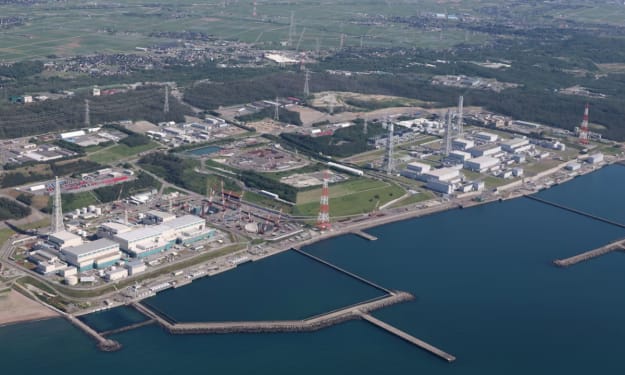
Fifteen years after the catastrophic Fukushima disaster, Japan is preparing to restart the world’s largest nuclear power plant. The decision marks a significant turning point in the country’s energy policy, reflecting both the urgent need for stable energy sources and the ongoing concerns about safety, environmental impact, and public trust. The move underscores Japan’s complex relationship with nuclear energy—a technology that has fueled the nation’s economic growth but also caused one of the worst nuclear disasters in history. The Fukushima Legacy In March 2011, a massive earthquake and tsunami triggered a meltdown at the Fukushima Daiichi Nuclear Power Plant, releasing radioactive material and forcing the evacuation of tens of thousands of residents. The disaster exposed flaws in safety regulations and emergency preparedness, reshaping public perception of nuclear energy in Japan and around the world. Following the incident, Japan shut down nearly all its nuclear reactors, relying heavily on imported fossil fuels to meet energy demand. The decision led to increased energy costs and heightened greenhouse gas emissions, creating pressure to diversify energy sources. Why Japan is Restarting Nuclear Reactors The restart of nuclear plants, including the world’s largest facility, is driven by several factors: Energy Security: Japan imports over 90% of its energy needs. Restarting nuclear plants reduces dependence on foreign fossil fuels and helps stabilize electricity supply. Climate Goals: Nuclear power generates electricity with minimal carbon emissions. As Japan commits to reducing greenhouse gases, nuclear energy offers a low-carbon alternative to coal and natural gas. Economic Considerations: Importing fossil fuels is expensive. Nuclear energy provides a relatively cheaper source of electricity in the long term, helping households and industries manage costs. The government emphasizes that advanced safety measures and rigorous inspections are in place, aiming to restore public confidence and prevent another disaster. Safety Measures and Upgrades Since 2011, Japan has invested heavily in upgrading nuclear infrastructure. Lessons from Fukushima have led to stricter regulations and improved disaster preparedness: Reinforced Reactor Buildings: Structures are now designed to withstand larger earthquakes and tsunamis. Advanced Cooling Systems: Redundant and automated cooling systems reduce the risk of overheating. Emergency Response Planning: Local governments and plant operators coordinate evacuation drills and disaster simulations. Regulatory Oversight: Japan’s Nuclear Regulation Authority (NRA) conducts independent inspections to ensure compliance with safety standards. Despite these measures, skepticism remains. Many citizens fear that no system can fully eliminate the risks associated with nuclear power, especially given the unpredictable nature of natural disasters in Japan. Public Opinion and Controversy The decision to restart the world’s biggest nuclear plant has sparked debate across Japanese society. Supporters argue that nuclear energy is essential for economic stability, energy security, and climate goals. They point out that without nuclear power, Japan would struggle to meet rising electricity demand and climate commitments. Opponents, however, raise concerns about safety, environmental impact, and long-term waste management. Memories of Fukushima remain vivid, and surveys indicate that a significant portion of the population is uneasy about returning to nuclear energy. Local communities near nuclear plants have voiced particular concern, fearing potential accidents and contamination. Economic and Energy Implications Restarting nuclear plants could have broad economic benefits. Stable electricity supply reduces the risk of blackouts, supports industrial activity, and helps control electricity prices for households. From an energy policy perspective, nuclear power allows Japan to balance its energy mix more sustainably. It complements renewable sources like solar and wind, which can fluctuate depending on weather conditions. Nuclear plants provide a steady “baseload” supply that renewables alone cannot guarantee. However, challenges remain: the disposal of radioactive waste, decommissioning older plants, and ensuring consistent regulatory oversight are all long-term concerns that Japan must address to maintain credibility and safety. Global Perspective Japan’s decision is being watched closely worldwide. The Fukushima disaster reshaped global nuclear policy, leading countries like Germany to phase out nuclear energy while others, including China and South Korea, continue to invest in it. Restarting the world’s largest nuclear plant sends a signal about Japan’s commitment to energy self-sufficiency and low-carbon power. It also raises questions about how other nations handle the balance between energy security and safety, especially as climate change increases the urgency for reliable, low-emission energy sources. Lessons Learned Fifteen years after Fukushima, Japan’s experience provides key lessons for the global community: Preparedness is Crucial: Robust safety standards and disaster response systems are essential for operating nuclear plants in seismically active regions. Public Trust Matters: Long-term energy policy must consider public perception and involve communities in decision-making. Diversified Energy Strategy: Nuclear power should be part of a broader energy mix, complemented by renewables to reduce risk and emissions. Continuous Oversight: Independent regulatory bodies and transparent operations are critical for maintaining safety and credibility. These lessons are not only relevant for Japan but also for any country considering nuclear power as part of its energy transition strategy. Conclusion The restart of Japan’s largest nuclear plant, fifteen years after the Fukushima disaster, represents both hope and caution. It promises more stable energy, lower carbon emissions, and economic benefits. At the same time, it reminds the world of the inherent risks of nuclear power and the need for rigorous safety, transparent governance, and public engagement. Japan’s journey reflects a broader challenge faced by many nations: how to meet growing energy demand and climate goals while ensuring safety, sustainability, and public trust. The coming years will reveal whether this bold step strengthens Japan’s energy future or reignites debate over the role of nuclear power in a post-Fukushima era.
By Muhammad Hassanabout a month ago in Earth
Cosseting the City or Keeping It in Check?. AI-Generated.
For decades, the City of London has been treated as the crown jewel of the British economy. Governments of all political colours have cosseted banks and financial institutions, convinced that a thriving financial sector is the key to faster economic growth, higher tax revenues, and global influence. The current chancellor is no exception, signalling a desire to keep City lenders comfortable in the hope they will fuel growth across UK plc.
By Aarif Lashariabout a month ago in Earth
Homeowners Don’t Want to Move: The Big Deal About Shrinking Backyards. AI-Generated.
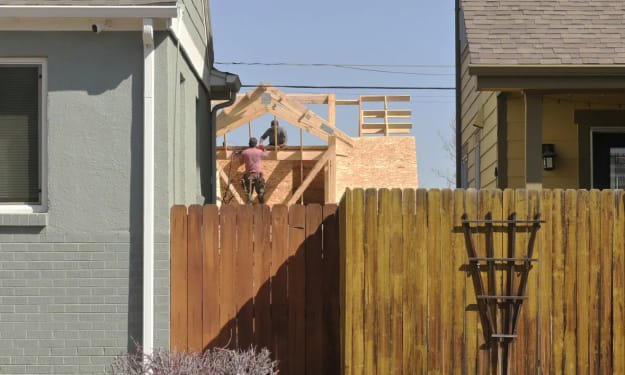
In neighborhoods across the country, a subtle but growing trend is taking root: homeowners aren’t moving, and it’s not just because of the housing market. Many are staying put because their backyards—once spaces for relaxation, gardening, and family fun—are shrinking, either physically due to new development or symbolically as life priorities shift. What may seem like a minor detail—an ordinary backyard—is, for many, a defining feature of home life. Losing it can change how people live, play, and even feel about their communities. This shift has consequences for families, urban planning, and even the way cities are designed. It also sheds light on why homeowners are willing to compromise on size, style, or even location rather than give up their outdoor space. Why Backyards Matter More Than Ever Backyards are more than just patches of grass. They are extensions of our living space, providing: Personal outdoor retreats for reading, gardening, or hosting friends. Safe spaces for children and pets to play. Social hubs for barbecues, birthdays, and neighborhood gatherings. Mental and physical health benefits, including fresh air, sunlight, and exercise. For families who have invested years into landscaping, planting trees, or building decks and patios, the backyard is an emotional asset. Moving to a new home often means losing these personal touches—and many homeowners aren’t willing to take that step. “Backyards are part of our identity,” says Laura Jennings, a landscape designer in suburban Chicago. “People have memories tied to them—first steps, garden harvests, family barbecues. That’s why so many homeowners are staying put, even if it’s tempting to relocate for a bigger house or a better neighborhood.” The Trend of Shrinking Yards Urban densification and suburban development have slowly eaten into traditional backyard space. In many cities, large lots are being replaced with townhomes, duplexes, or small-lot single-family homes. Even in suburban neighborhoods, new constructions often prioritize indoor square footage over outdoor space. The shrinking backyard trend has several effects: Less room for recreation: Families may struggle to fit a swing set, pool, or garden into a smaller yard. Increased desire to stay put: Homeowners prefer maintaining a familiar outdoor space rather than trading it for a slightly larger indoor area. Higher emotional attachment: As yards become more limited, the significance of every tree, patch of grass, or vegetable garden grows. For many, the choice isn’t just about square footage—it’s about quality of life. Homeowners Are Making Trade-Offs As a result, more homeowners are staying in place longer, even if it means: Skipping a bigger kitchen or extra bedroom. Living in a less “trendy” neighborhood. Paying more in maintenance or property taxes to keep a cherished yard intact. Some have embraced innovative backyard solutions to maximize smaller spaces: Vertical gardens and container planting. Multi-functional patios that serve as dining, lounging, and play areas. Creative landscaping, including raised beds, pergolas, and tiny ponds. These adaptations allow homeowners to maintain the sense of space and enjoyment they’ve built over years without relocating. Emotional and Social Dimensions Beyond practical reasons, the backyard has a symbolic meaning. It represents: Continuity and stability: Homeowners see staying put as preserving a lifestyle. Family history: Many yards hold stories—graduations, summer afternoons, first bike rides. Community connection: Long-term residents know neighbors, local schools, and nearby amenities. Moving often means giving up these ties. A survey by the National Association of Home Builders found that over 60% of homeowners aged 35–55 preferred staying in their current homes, citing yard size and outdoor enjoyment as key factors. For these individuals, giving up a backyard is not a small inconvenience—it’s a major life decision. The Impact on Neighborhoods and Cities The trend of staying put also affects broader urban and suburban planning. Fewer homeowners moving means: Less turnover in neighborhoods, which can reduce housing market fluidity. Pressure on developers to include quality outdoor space in new builds. Greater demand for parks and community green spaces, as private yards shrink. Urban planners and developers are noticing the importance of outdoor space in retention and satisfaction metrics. Homes with usable yards, green roofs, or communal gardens often have higher value and attract long-term residents. The Future of Backyard Living As city lots shrink and suburban sprawl continues, homeowners are adapting: Smaller, highly curated gardens instead of sprawling lawns. Multi-functional backyards designed for work, play, and entertainment. Investment in outdoor amenities such as fire pits, decks, or small pools. Some communities are exploring shared backyard concepts, like community gardens and pocket parks, to supplement shrinking private spaces. While these aren’t a complete replacement for personal yards, they provide social and environmental benefits and may encourage homeowners to stay in their homes longer. Conclusion: More Than Grass and Trees Shrinking backyards might seem like a minor design issue, but for homeowners, it’s deeply tied to lifestyle, family life, and personal identity. The reluctance to move is not just a reaction to the housing market; it reflects an emotional, social, and practical connection to outdoor space that indoor square footage alone can’t replace. As urban density grows and lot sizes shrink, the importance of backyards will continue to shape homeowner decisions, neighborhood design, and community dynamics. Families are showing that a yard is not just grass and trees—it’s a place of memory, freedom, and connection. In a world where real estate trends often prioritize indoor luxury, the backyard remains a powerful symbol of home, anchoring families to the places they love—and keeping many from moving at all
By Muhammad Hassanabout a month ago in Earth
The Plant That Thrives Without Water, Loves Heat, and Turns Any Yard Into a Butterfly Haven. AI-Generated.
As climate change reshapes weather patterns and water scarcity becomes a growing concern, gardeners around the world are rethinking what they plant. The era of thirsty lawns and delicate flowers is slowly giving way to a new generation of resilient, eco-friendly greenery. Among these standout survivors is a remarkable plant that thrives without regular watering, flourishes in intense heat, and transforms ordinary yards into vibrant butterfly sanctuaries. This plant is commonly known as butterfly weed (Asclepias tuberosa), a hardy native species that is redefining sustainable gardening. Built for Heat and Drought Butterfly weed is naturally adapted to harsh conditions. Native to dry prairies and open grasslands, it has evolved deep roots that allow it to access moisture far below the surface. Once established, it requires little to no supplemental watering, even during prolonged heatwaves. Unlike traditional garden plants that wilt under the sun, butterfly weed actually thrives in full sunlight. Temperatures that scorch lawns and stress ornamentals are exactly what this plant prefers. Its thick, narrow leaves minimize water loss, while its sturdy stems resist wind and heat damage. For homeowners living in drought-prone or arid regions, this makes butterfly weed an ideal solution—beautiful without being demanding. A Magnet for Butterflies and Pollinators What truly sets butterfly weed apart is its powerful role in supporting pollinators. Its bright orange, yellow, or red flower clusters are rich in nectar, attracting a wide range of butterflies, bees, and other beneficial insects. Most notably, butterfly weed is a critical host plant for monarch butterflies. Monarchs lay their eggs exclusively on milkweed species, and butterfly weed provides both food and shelter for their caterpillars. With monarch populations declining due to habitat loss and pesticide use, planting butterfly weed can make a real difference. Beyond monarchs, the plant also draws swallowtails, painted ladies, and native bees, turning even a small yard into a buzzing ecosystem. Low Maintenance, High Impact One of the biggest appeals of butterfly weed is how little effort it requires. After the first growing season, maintenance is minimal. It doesn’t need frequent pruning, fertilizing, or pest control. In fact, overwatering or rich soil can actually harm it. It grows well in poor, sandy, or rocky soil—conditions that many gardeners struggle with. Once planted, it establishes itself slowly but steadily, returning year after year as a reliable perennial. This makes it perfect for busy homeowners, beginners, or anyone looking to reduce water bills and gardening workload without sacrificing visual appeal. Beauty With a Purpose Butterfly weed proves that sustainable gardening doesn’t mean compromising on aesthetics. Its vivid flowers bloom for weeks during summer, creating bold color contrasts in landscapes that might otherwise look dry or dull. It pairs well with ornamental grasses, lavender, and other drought-tolerant plants, making it a favorite in modern xeriscaping designs. Whether planted in borders, wildflower gardens, or urban yards, it brings both structure and color. Unlike invasive ornamentals, butterfly weed coexists peacefully with native plants, strengthening local ecosystems rather than disrupting them. A Climate-Smart Choice As heatwaves become more frequent and water restrictions more common, plants like butterfly weed represent the future of gardening. They reduce dependence on irrigation, support wildlife, and help landscapes remain resilient under changing conditions. By choosing drought-tolerant, native species, gardeners can actively participate in climate adaptation—one plant at a time. Butterfly weed, in particular, shows how small choices can have wide-reaching environmental benefits. How to Grow It Successfully Growing butterfly weed is straightforward. It prefers full sun and well-drained soil. Seeds can be sown directly in the ground, though patience is key—the plant focuses on root development in its first year before producing abundant blooms. Once established, it requires little care. Avoid fertilizers and heavy mulching, and let nature do the rest. In return, the plant will reward you with years of color and life. Final Thoughts The plant that thrives without water, loves heat, and turns any yard into a butterfly haven is more than just a gardening trend—it’s a symbol of a smarter, more sustainable relationship with nature. Butterfly weed proves that beauty and resilience can go hand in hand. In a world facing rising temperatures and shrinking resources, it offers a hopeful reminder: sometimes, the toughest plants create the most vibrant life.
By Fiaz Ahmed Brohiabout a month ago in Earth
High-Speed Train Crash in Southern Spain Leaves at Least 21 Dead. AI-Generated.
A devastating high-speed train crash in southern Spain has left at least 21 people dead and dozens injured, shocking the nation and triggering a major emergency response. The incident, which occurred on a busy rail route connecting key southern cities, has reignited concerns over railway safety, infrastructure maintenance, and emergency preparedness in one of Europe’s most advanced rail networks.
By Aarif Lashariabout a month ago in Earth
TODAY’S WEATHER NEWS ACROSS THE UNITED STATES WHAT AMERICANS SHOULD EXPECT RIGHT NOW
TODAY’S WEATHER NEWS ACROSS THE UNITED STATES WHAT AMERICANS SHOULD EXPECT RIGHT NOW Weather conditions continue to be one of the most discussed daily topics across the United States, especially as seasonal transitions bring noticeable changes in temperature, storms, and regional weather patterns. Today’s weather reflects a mix of warming trends, lingering cold pockets, and active systems affecting different parts of the country. From the West Coast to the East Coast, Americans are paying close attention to how temperatures will feel, whether rain or snow is expected, and how conditions may impact daily routines.
By America today about a month ago in Earth
Davos 2026: The Last-Chance Saloon to Save the Old World Order?. AI-Generated.
Every January, the Swiss town of Davos becomes a temporary capital for the world’s elite. Politicians, CEOs, bankers, and thought leaders converge on the snowy Alps for the World Economic Forum (WEF), a gathering that blends diplomacy, business strategy, and high-profile networking. But in 2026, Davos carries an unusually heavy weight: many are asking whether this year’s forum is the last-chance saloon to preserve the old world order. The “old world order” refers to the system of global governance, trade, and alliances dominated by Western powers since the end of World War II. It’s a framework built on liberal democracy, free markets, and institutions like the United Nations, NATO, and the International Monetary Fund. But cracks have been appearing for years—rising nationalism, economic inequality, technological disruption, and the ascent of new global powers are challenging the old guard. Davos 2026 may be where these challenges are addressed—or exposed. A Gathering of Uneasy Allies Davos has always been more than a conference; it’s a stage. World leaders like the U.S. president, Chinese premier, and European Union officials attend alongside CEOs of tech giants, investment banks, and energy conglomerates. In past years, it has been a place for deal-making, policy announcements, and networking in an environment removed from daily political pressures. This year, however, the tone is tense. With geopolitical rivalries intensifying—from U.S.-China competition to ongoing conflicts in Eastern Europe—the forum is less about optimism and more about survival. Many attendees see it as a final opportunity to steer global institutions in a way that sustains stability, economic growth, and cooperation in a rapidly shifting world. As one European diplomat reportedly told journalists: “We’re past casual discussion. This is about whether the rules of the game we’ve known for decades can continue to function.” Economic Uncertainty and the Quest for Stability The global economy is at a crossroads. Inflation, supply chain disruptions, and debt crises have put pressure on governments and corporations alike. Davos provides a platform to coordinate strategies, whether that’s stabilizing financial markets, agreeing on new trade frameworks, or tackling climate and energy crises. But the challenge is bigger than economics alone. The rise of digital currencies, artificial intelligence, and global tech conglomerates has shifted the balance of power. Traditional Western institutions are struggling to keep pace with these innovations, while emerging economies leverage technology and alternative governance models to increase their influence. In this context, Davos 2026 is not just about discussion—it’s about defining who sets the rules for the next era. The Climate Crisis as a Litmus Test One area where the old world order faces a major test is climate policy. Despite decades of conferences and commitments, global emissions continue to rise. The forum’s agenda includes discussions on renewable energy investment, carbon taxation, and sustainable finance—yet the real question is whether collective action can overcome national self-interest. For some attendees, climate is more than an environmental issue; it’s a proxy for global governance. Nations that fail to cooperate on climate risk destabilizing trade, migration, and economic security. Davos 2026 may reveal whether the old mechanisms for multilateral cooperation can still work—or whether the world is moving toward fragmented blocs of competing interests. The Rise of New Powers Another key dynamic is the shifting balance of global power. Emerging economies in Asia, Africa, and Latin America are asserting themselves politically, economically, and technologically. Countries like China, India, and Brazil are shaping new trade and financial networks, sometimes outside traditional Western-dominated institutions. This diversification of influence poses a challenge for Davos. While the forum has historically been Western-centric, ignoring emerging voices could make its conclusions irrelevant. In 2026, the question is whether the WEF can integrate new powers into a cooperative framework—or whether the old world order will crumble under the weight of its exclusivity. Technology, AI, and the Future of Governance Technology is another frontier where the old world order is on trial. Artificial intelligence, cyber warfare, and digital surveillance are reshaping economies and politics alike. CEOs and policymakers in Davos 2026 are expected to discuss regulatory frameworks, ethical AI use, and cybersecurity collaboration. The stakes are high: how nations and corporations govern technology today could determine whether global systems remain stable or fracture. If the old world order fails to set rules for emerging tech, alternative models led by new powers could take hold, redefining global norms. Why Davos 2026 Feels Like a “Last-Chance Saloon” The term “last-chance saloon” evokes urgency. For decades, the old world order relied on cooperation, multilateralism, and shared values to maintain relative peace and prosperity. Today, cracks are visible: rising populism, regional conflicts, economic nationalism, and technological disruption all threaten the status quo. Davos 2026 is unique because it isn’t just a forum for ideas—it’s a test of relevance for the institutions themselves. Leaders will attempt to negotiate solutions, but the outcomes may reveal whether the old structures are adaptable—or obsolete. What to Watch Some of the key signals to watch at Davos 2026 include: Trade agreements and economic cooperation: Will major powers commit to joint frameworks or pursue protectionist policies? Climate action pledges: Are countries willing to act collectively, or do national priorities dominate? Technological governance: Will there be consensus on AI, cybersecurity, and digital currency regulations? Representation of emerging powers: Are new voices integrated into the conversation, or marginalized? The answers could indicate whether the forum reinforces the old order—or marks its final chapter. Final Thoughts Davos 2026 is more than a gathering of the global elite; it’s a litmus test for the old world order. The forum’s success—or failure—may determine whether multilateralism, cooperation, and shared governance survive in an era of rising nationalism, technological disruption, and shifting power dynamics. For observers, policymakers, and citizens alike, the stakes couldn’t be higher. The snowy streets of Davos may once again host ambitious speeches, networking dinners, and visionary panels—but the real question remains: can the old world order be saved, or is it time to prepare for a new world entirely?
By Muhammad Hassanabout a month ago in Earth