
How cross-border intelligence cooperation shaped a high-profile security mission and what it means for regional policy
How cross-border intelligence cooperation shaped a high-profile security mission and what it means for regional policy

Introduction
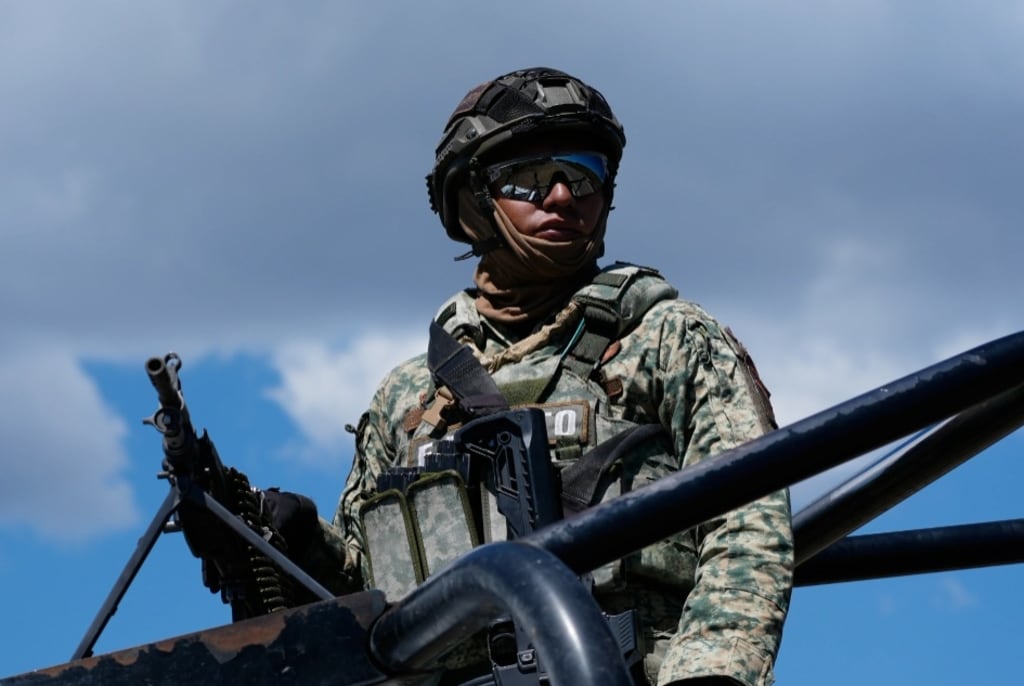
Reports from major outlets including Politico and the Associated Press have highlighted the role of US intelligence support in a Mexican security operation that resulted in the killing of a senior drug cartel figure. The case has renewed attention on how closely the United States and Mexico coordinate in counter-narcotics missions.
While Mexican authorities led the operation on their own territory, US agencies reportedly provided intelligence assistance. This form of cooperation is not new, but when it contributes to the targeting of a cartel leader, it often sparks debate about sovereignty, accountability, and long-term strategy.
This article explains how intelligence sharing works, why such operations are conducted, and what the broader consequences may be for both countries.
Background of US-Mexico Security Cooperation
Security collaboration between the United States and Mexico has developed over decades. One key framework was the Merida Initiative, launched in 2008, which focused on funding, training, and intelligence support to help Mexico combat organized crime.
Over time, cooperation evolved to emphasize intelligence gathering rather than large-scale troop deployments. US agencies such as the Drug Enforcement Administration and intelligence services have shared information related to cartel networks, financial flows, and communications patterns.
Mexican forces, however, retain operational control within their territory. Officially, US personnel do not conduct unilateral armed missions in Mexico. Instead, intelligence assistance may include satellite imagery, signal intercepts, and data analysis.
The Targeted Drug Lord
The operation referenced in recent reporting involved a high-ranking figure within a major Mexican drug cartel. Although details vary by source, authorities identified him as a key coordinator of trafficking routes and logistics.
Cartel leaders often operate through decentralized networks. Removing one individual does not necessarily dismantle the organization, but authorities believe it can disrupt operations temporarily and reduce violence linked to leadership disputes.
The targeted individual had reportedly been under surveillance for an extended period. Intelligence sources indicated that cross-border communications and financial movements played a role in identifying his location.
How Intelligence Support Contributed
According to reporting, US intelligence agencies provided data that helped Mexican authorities narrow down the suspect’s movements. This likely included electronic tracking and communication intercept analysis.
Modern intelligence work often combines several methods. Analysts examine phone metadata, encrypted messaging patterns, and known associate networks. Financial monitoring can also reveal unusual transfers that signal preparation for relocation or operations.
By combining US technical capabilities with Mexican field intelligence, authorities were able to confirm the target’s presence in a specific location. Mexican forces then carried out the direct action phase.
Officials from both countries have not released operational details, citing security reasons. However, public statements confirm that intelligence sharing was a significant component.
Legal and Political Framework
Intelligence cooperation operates under bilateral agreements. Mexico maintains sovereignty over enforcement actions, while the United States provides assistance when requested or authorized.
This arrangement has sometimes been controversial within Mexico. Some lawmakers and civil society groups argue that foreign intelligence involvement must remain transparent and limited. Concerns focus on accountability and the risk of external influence in domestic security decisions.
On the US side, policymakers justify cooperation as necessary to address drug trafficking that affects American communities. Synthetic opioids and other narcotics entering the United States have increased political pressure for cross-border solutions.
Both governments emphasize that intelligence sharing follows established legal frameworks and is designed to support, not replace, Mexican authority.
Immediate Outcome of the Operation
The operation resulted in the death of the targeted cartel leader during a confrontation with security forces. Mexican officials described the mission as a lawful enforcement action.
After the incident, security forces reportedly increased patrols in surrounding areas to prevent retaliation. Historically, the killing or arrest of cartel leaders can trigger short-term violence as factions compete for control.
Authorities stated that contingency planning was part of the operation. Reinforcements and coordination with local officials were intended to minimize risk to civilians.
So far, official reports indicate that the situation has remained contained, though long-term effects remain uncertain.
Impact on Organized Crime Networks
Targeting leadership can disrupt communication and funding channels within a cartel. However, experts note that criminal groups often adapt quickly. Mid-level commanders may assume leadership roles, and alliances can shift.
In some cases, leadership removal has led to fragmentation. Smaller groups may emerge, competing for territory and trafficking routes. This can increase instability in certain regions.
For that reason, security analysts argue that intelligence-driven operations must be combined with broader institutional reforms. These include judicial efficiency, anti-corruption measures, and local policing improvements.
Without structural support, tactical successes may not translate into sustained reductions in violence.
Implications for US-Mexico Relations
The operation underscores the depth of security cooperation between the two countries. Intelligence sharing has become central to joint counter-narcotics strategy.
At the same time, political sensitivities remain. Mexican leaders often stress national sovereignty in public statements. US officials highlight partnership and mutual responsibility.
Balancing these perspectives is essential. Effective cooperation requires trust, but also respect for legal boundaries and public accountability.
Recent years have seen adjustments to bilateral security frameworks, with Mexico seeking greater oversight of foreign agents operating within its borders. Continued dialogue will shape how intelligence sharing evolves.
Regional and International Context
Drug trafficking networks extend beyond Mexico and the United States. Cartels maintain supply chains that involve precursor chemicals from other regions and distribution networks across North America.
As a result, intelligence operations often involve multiple countries. International cooperation can include financial tracking, sanctions, and information exchange.
The killing of a high-profile figure may send a signal to other networks. It demonstrates that coordinated intelligence efforts can locate and target leadership figures despite efforts to remain hidden.
However, sustained progress requires consistent policy coordination. Short-term gains must align with long-term strategies addressing demand, economic factors, and governance challenges.
Public Reaction and Media Coverage
Coverage by major outlets such as Politico and the Associated Press has focused on the intelligence dimension of the operation. Public reaction varies across both countries.
In the United States, some policymakers view intelligence-backed operations as evidence of effective collaboration. Others call for broader measures to reduce drug demand domestically.
In Mexico, public opinion is shaped by concerns about violence and sovereignty. Some citizens support strong enforcement against cartel leaders. Others question whether leadership targeting alone can reduce insecurity.
Transparency remains a key factor. Clear communication from authorities can help build public trust while protecting sensitive information.
Policy Questions Moving Forward
The operation raises several policy considerations. First, how can intelligence sharing remain effective while respecting national sovereignty? Second, what complementary measures are needed to prevent cartel regeneration?
Lawmakers in both countries may review oversight mechanisms. Ensuring that intelligence cooperation aligns with legal standards and human rights obligations is essential.
Additionally, addressing corruption within institutions remains critical. Intelligence support can identify targets, but institutional strength determines long-term outcomes.
Finally, regional collaboration beyond bilateral ties may become more important as trafficking routes evolve.
Conclusion
The reported US intelligence support in the operation that led to the killing of a Mexican drug lord reflects a longstanding pattern of cross-border cooperation. Mexican forces carried out the mission, while US agencies contributed analytical and technical assistance.
Such operations highlight both the potential and the limits of intelligence-led enforcement. Removing a cartel leader can disrupt operations and demonstrate capability, but lasting impact depends on institutional reform and sustained cooperation.
For policymakers, the case serves as a reminder that organized crime is a transnational challenge. Effective responses require coordination, legal clarity, and balanced public communication.
As security frameworks continue to evolve, both countries will need to maintain dialogue and oversight. Intelligence sharing remains a powerful tool, but it must operate within clear legal and political boundaries to support long-term regional stability.
About the Creator
Saad
I’m Saad. I’m a passionate writer who loves exploring trending news topics, sharing insights, and keeping readers updated on what’s happening around the world.
The Most Wanted Man in America: The Night I Served Coffee to John Dillinger
The Most Wanted Man Snow softened the city. It fell quietly over rooftops, streetlamps, and newspaper stands, covering the sharp edges of Manhattan in a fragile kind of peace — the kind that never lasted long in America anymore.Inside a narrow diner on Lexington Avenue, the air smelled of coffee, toast, and radiator heat. Midnight had passed. Only two customers remained: a tired taxi driver asleep in a booth… and the man who always sat by the window.
By shakir hamid6 days ago in Criminal
Where there's Art there's Heart
Here's a stupid thing: I adore art, but I start to panic whenever I step into a gallery. In the one place I should be at my contented best - surrounded by walls teeming with creative expression - I fall apart. What ought to be an enriching experience, tacitly designed to facilitate the exploration of human empathy and perspective, is for me an overwhelming purgatory of anxiety that compresses me to the point I cannot breathe. At the same time, I experience a sense of extraction, as though my head is being prized open to create a hole so big my sanity could evaporate. Somewhere between these two opposing forces of vice and vortex, I feel myself dissolving in a stream of panic that makes me want to cry; and I feel so daft feeling this way, that all I want to do is run for the hills.
By Caroline Jane7 days ago in Humans




Comments
There are no comments for this story
Be the first to respond and start the conversation.