
Morocco Joins Egypt, UAE, Saudi Arabia, Qatar, Jordan, and Other Countries in Facing Over Seven Billion Dollars in Annual Damage Due to Waste Crisis
A growing environmental emergency in the Middle East and North Africa threatens tourism, public health, and long‑term sustainability as waste generation skyrockets

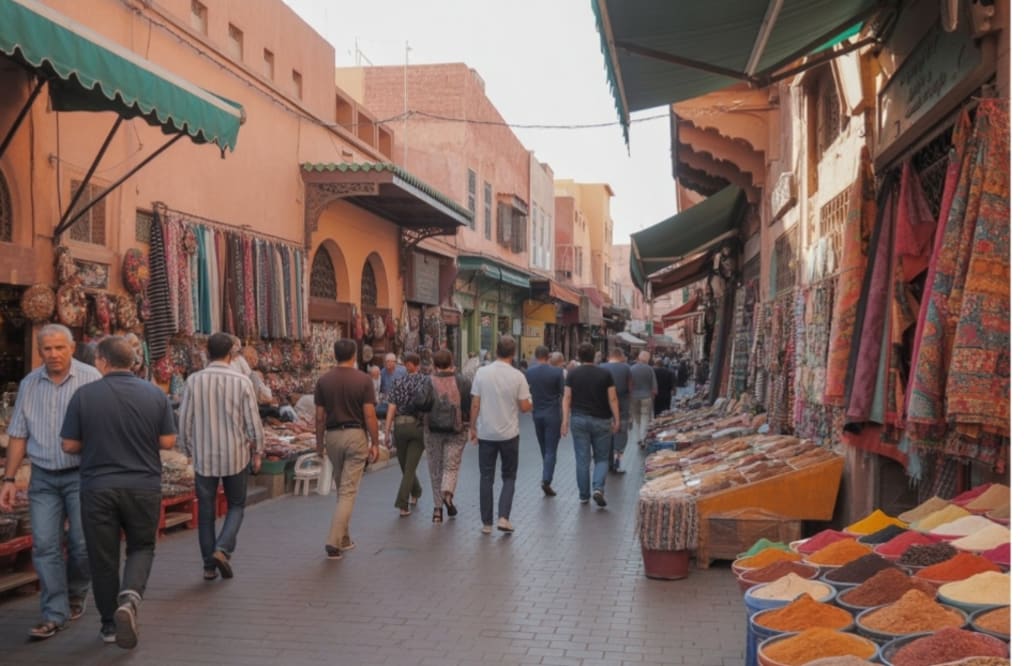
Subtitl
The Middle East and North Africa (MENA) region is confronting a rapidly intensifying waste management crisis with sweeping economic, environmental, and social consequences. According to a new World Bank report, the region now suffers more than US $7 billion in annual damage due to poorly managed waste — with countries including Morocco, Egypt, the United Arab Emirates, Saudi Arabia, Qatar, and Jordan among those feeling the impact most acutely. This burden threatens tourism, environmental sustainability, and future economic resilience if urgent action is not taken.
A Region Struggling with Waste Generation
The MENA region produces over 155 million tonnes of solid waste each year, a figure that is well above the global average and projected to more than double by 2050 if current trends continue. Despite relatively high waste collection rates — nearly 80 percent on average — recycling and responsible treatment remain alarmingly low. Less than 10 percent of collected waste is recycled, while over two‑thirds is mismanaged, meaning much of it ends up in landfills, waterways, or littered across landscapes and coastlines.
This mismanagement contributes to air, soil, and water pollution, poses grave public health risks, and accelerates the contamination of marine ecosystems. The Mediterranean Sea, which borders several MENA nations and is economically vital for tourism, stands out as one of the world’s most polluted bodies of water, largely due to plastic leakage.
Economic Costs and the Tourism Threat
The worldwide recognition of MENA as a premier tourism destination is now facing a formidable challenge. The region’s beaches, historic sites, and cultural attractions draw millions of visitors each year, significantly contributing to national GDPs. But environmental degradation — especially visible waste pollution — erodes the appeal of iconic destinations in countries like Morocco, Egypt, and the UAE.
Economists and environmental analysts estimate that this waste crisis costs the MENA region roughly US $7.2 billion annually in environmental damage alone. These costs include the loss of tourism revenue, increased healthcare costs from pollution‑related illnesses, and diminished productivity as livelihoods are impacted by environmental harm.
For nations like Morocco, where tourism is a pillar of economic growth and a source of job creation, the implications of visible waste pollution — from urban streets to beaches — are particularly dire. Mismanaged waste can directly deter visitors, weakening a sector that relies heavily on perceptions of cleanliness, safety, and natural beauty.
Public Health and Environmental Risks
The region’s waste mismanagement also undermines public health. Open dumps and uncontrolled landfills can release toxic emissions and contaminate water supplies, contributing to a range of respiratory and water‑borne diseases. Many MENA cities now face pressures on local health systems due to pollution, especially in densely populated urban centers.
Pollution from improperly treated waste affects marine life and fisheries as well. With plastic and other debris entering coastal waters, MENA countries are witnessing reduced marine biodiversity — a blow to both subsistence fishermen and commercial seafood industries that rely on healthy ecosystems.
Why the Crisis Persists
Several structural issues contribute to the waste crisis:
Rapid urban growth: Cities in the MENA region are expanding fast, outpacing waste collection and processing infrastructure.
Low recycling rates: Despite collection systems, recycling remains underdeveloped, often due to insufficient investment and lack of consumer incentives.
Limited treatment facilities: Many countries lack modern waste‑to‑energy plants or facilities that convert waste into useful by‑products.
These factors create a cycle in which waste accumulates faster than systems can process or contain it, leading to mounting environmental and economic costs.
Calls for Urgent Action
The World Bank report calls for significant and coordinated efforts across the MENA region to modernize waste management systems and transition towards a circular economy that reduces waste generation at its source.
Experts suggest that even a small reduction in waste generation — for example, a 1 percent decrease — could save the region up to US $150 million annually. Achieving such reductions would involve investments in:
Recycling infrastructure that can capture and repurpose materials before they enter landfills.
Public education campaigns to encourage sorting and reducing household waste.
Advanced waste‑to‑energy technologies that convert waste into electricity or fuels, reducing reliance on dumping and landfilling.
Turning a Crisis into an Opportunity
While the current situation is concerning, experts and policymakers highlight that the waste crisis also presents an opportunity for job creation, technological innovation, and economic diversification. Expanding waste management and recycling sectors could generate new employment opportunities, particularly for youth and underserved communities.
Moreover, a stronger focus on sustainability could attract green investments and enhance the international reputation of MENA tourism hotspots as destinations committed to environmental stewardship — a valuable brand in markets increasingly driven by eco‑conscious travelers.
Regional Collaboration and Future Outlook
Addressing the waste management crisis will require cross‑national cooperation, consistent policy frameworks, and shared investments in technology and training. As countries like Morocco develop national waste recovery plans and invest in dedicated infrastructure, there is potential for shared solutions and economies of scale across the region.
Without such actions, the environmental and economic costs of waste will continue to grow — threatening ecosystems, public health, and crucial industries like tourism. But with coordinated effort, this challenge can be transformed into a catalyst for innovation, sustainability, and regional resilience.
About the Creator
Keep reading
More stories from Salaar Jamali and writers in Confessions and other communities.
UAE Abruptly Cuts Aid to Vital Hospitals After Withdrawing From Yemen
The United Arab Emirates’ abrupt decision to cut aid to several vital hospitals in Yemen following its withdrawal from the country has sparked serious concern among humanitarian groups, medical workers, and international observers. The move comes at a time when Yemen’s healthcare system—already weakened by nearly a decade of conflict—remains heavily dependent on external assistance to function. For many Yemenis, the loss of Emirati-funded medical support could have immediate and life-threatening consequences.
By Salaar Jamali9 days ago in Confessions
Benefits of Looking Forward To Something
Everyone looks forward to something because it is part of life. When we were younger, we looked for most things that were different from what we look forward to now that we are older. Even so, we might still look forward to some of the same things: birthdays, holidays (some more than others), graduation, first job, dating, marriage, anniversaries, raising a family, and more.
By Margaret Minnicks3 days ago in Confessions




Comments
There are no comments for this story
Be the first to respond and start the conversation.