
The Ultimate Guide to Improve Your Background Verification Process
Ultimate Guide to Improve Your Background Verification Process

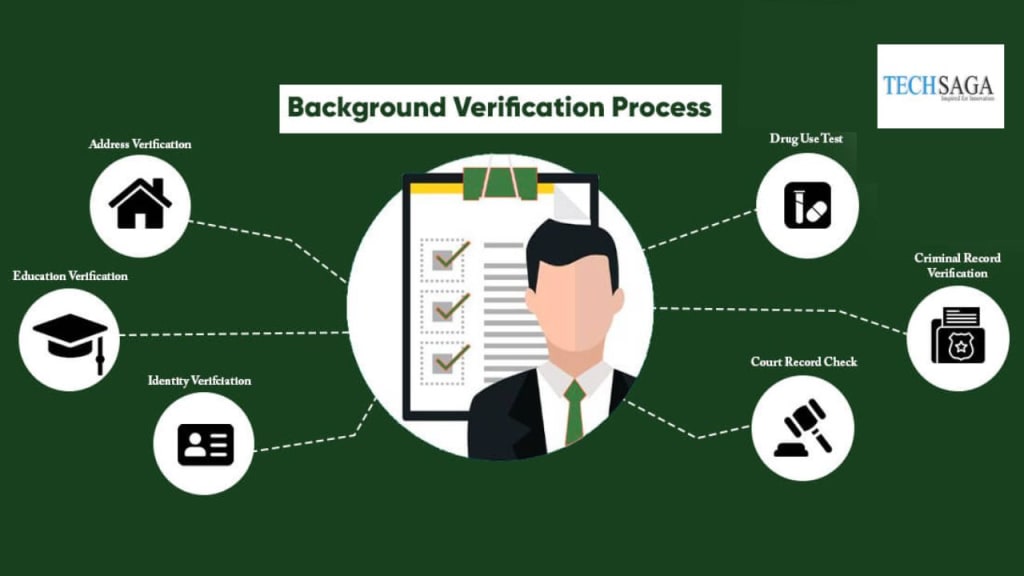
Background verification is pivotal for maintaining the integrity and safety of individuals within any organization or community. Whether you're in the process of hiring new employees, screening potential tenants, or accepting volunteers, working with a reliable background verification company ensures a thorough and indispensable process. It serves as a reliable means to validate the credibility and character of individuals, enabling informed decision-making and reducing risks associated with dishonesty or misconduct. Moreover, by ensuring that individuals meet predetermined criteria and standards, organizations can foster a secure environment and uphold trust among stakeholders, promoting overall safety and well-being.
Let’s explore strategies and best practices to enhance your background verification process effectively.
Understanding Background Verification
Background verification involves the process of investigating and verifying an individual's personal, professional, educational, and criminal history. The goal is to validate the accuracy of information provided by candidates and assess their suitability based on predefined criteria. Moreover, a thorough background check helps organizations prevent fraud, ensure compliance with regulations, and create a safe environment for stakeholders.
Key Components of a Background Verification Process
Components in the background verification process include:-
- Identification and Verification:
Start by verifying the candidate's identity through government-issued IDs, passports, or other official documents.
Further, verify the integrity and reliability of personal information by double-checking things like name, birthdate, and address.
- Employment History Verification:
Validate the candidate's employment history, including past employers, job titles, dates of employment, and responsibilities.
Also, contact previous employers directly or use professional verification services to confirm employment details.
- Education Verification:
Verify the candidate's educational qualifications, degrees, diplomas, certifications, and institutions attended.
Furthermore, contact educational institutions or use accredited verification services to authenticate academic credentials.
- Criminal Background Check:
Conduct a criminal background check to identify any criminal convictions, pending charges, or legal issues.
Adhere to legal requirements and obtain consent from candidates before conducting criminal checks.
- Credit History (if applicable):
For roles involving financial responsibilities, assess the candidate's credit history to evaluate financial stability and trustworthiness.
Follow legal guidelines and obtain consent for accessing credit reports.
- Reference Checks:
Contact professional references provided by the candidate to gather insights into their work ethic, skills, and character.
Use structured interview techniques to validate information and assess the candidate's suitability for the role.
- Social Media Screening (optional):
Review publicly available information on social media platforms to assess the candidate's behavior, professionalism, and alignment with organizational values.
Exercise discretion and ensure compliance with privacy laws when conducting social media checks.
Best Practices to Improve Your Background Verification Process
Tips to improve the background verification process are:-
- Establish Clear Policies and Procedures:
Develop comprehensive background check policies outlining the scope, criteria, and procedures for conducting verifications.
Ensure all stakeholders, including HR personnel, hiring managers, and legal advisors, understand and adhere to these policies.
- Standardize Verification Methods:
Implement standardized verification methods and tools to maintain consistency and reliability across all background checks.
Use reputable third-party verification services or software platforms to streamline the process and ensure accuracy.
- Compliance with Legal Requirements:
Stay updated with local, state, and federal regulations governing background checks, data privacy, and discrimination laws.
Obtain necessary consent from candidates before conducting background checks and handle sensitive information confidentially.
- Train Personnel Involved in Verification:
Provide training and guidance to HR professionals and designated personnel responsible for conducting background checks.
Also, educate staff on best practices, legal considerations, and ethical guidelines related to background verification.
- Use Technology for Efficiency:
Leverage technology solutions such as background check software, applicant tracking systems (ATS), and secure databases for storing verification data.
Automate repetitive tasks, track verification progress, and generate comprehensive reports to streamline decision-making processes.
- Maintain Transparency and Communication:
Foster open communication with candidates regarding the background verification process, timelines, and expectations.
Further, address candidate concerns promptly, provide updates on verification status, and ensure transparency throughout the process.
- Continuous Evaluation and Improvement:
Conduct regular audits and evaluations of your background verification process to identify areas for improvement.
Moreover, seek input from relevant parties, such as hiring managers and candidates, to improve processes and boost productivity.
Benefits of a Well-Executed Background Verification Process
The importance of having a well-executed verification process includes:-
- Risk Mitigation: Identify and mitigate risks associated with fraud, misrepresentation, and potential threats to organizational integrity.
- Enhanced Security: Create a safer environment for employees, customers, and stakeholders by screening out individuals with criminal backgrounds or dishonest intentions.
- Legal Compliance: Ensure compliance with employment laws, industry regulations, and data protection standards governing background checks.
- Improved Hiring Decisions: Make informed hiring decisions based on verified information, reducing turnover rates and improving workforce quality.
- Protection of Reputation: Safeguard your organization's reputation and credibility by demonstrating due diligence in vetting candidates and volunteers.
Summing it up:
Effective risk management and organizational integrity are based on a well-designed background verification procedure. Investing in thorough background verification services not only mitigates risks but also contributes to building a trusted and secure environment conducive to long-term success.
So, with the above-mentioned guidelines, organizations can optimize their background verification processes to make informed decisions, foster transparency, and uphold ethical standards in today's competitive and dynamic business landscape.
About the Creator
Techsaga Corporations
Techsaga is a leading consulting and development team located in India, USA, UK, and Abu Dhabi. With the help of our past experiences, focussed approach and certified professional we are always keen to take up any challenges.
Keep reading
More stories from Techsaga Corporations and writers in Chapters and other communities.
The Benefits of Offshore Outsourcing
Nowadays, businesses are constantly seeking ways to optimize their operations and reduce costs without compromising on quality. One strategy that has gained significant traction in recent years is workday offshore outsourcing. This practice involves contracting tasks or processes to an external company located in a different country, often one with lower labor costs. While offshore outsourcing has its share of challenges and considerations, its potential to generate substantial cost savings cannot be overlooked.
By Techsaga Corporations2 years ago in Chapters
Bruce Lee and The God of War: Kuan Ti
It starts with love.. The Power to the God Of War and Wealth Walk into a Chinese restaurant (even in Oklahoma, USA), a Chinese police station, a kung fu martial arts studio or even a Chinese temple and you often see a red faced warrior holding a heavy quan-do (spear like weapon).
By SAMURAI SAM AND WILD DRAGONSabout a month ago in Chapters


Comments (1)
Hey, just wanna let you know that this is more suitable to be posted in the 01 community 😊