
Yes, One Image from Space Can Change Humanity’s Perspective
How a single photograph of Earth reshaped science, philosophy, and our understanding of ourselves

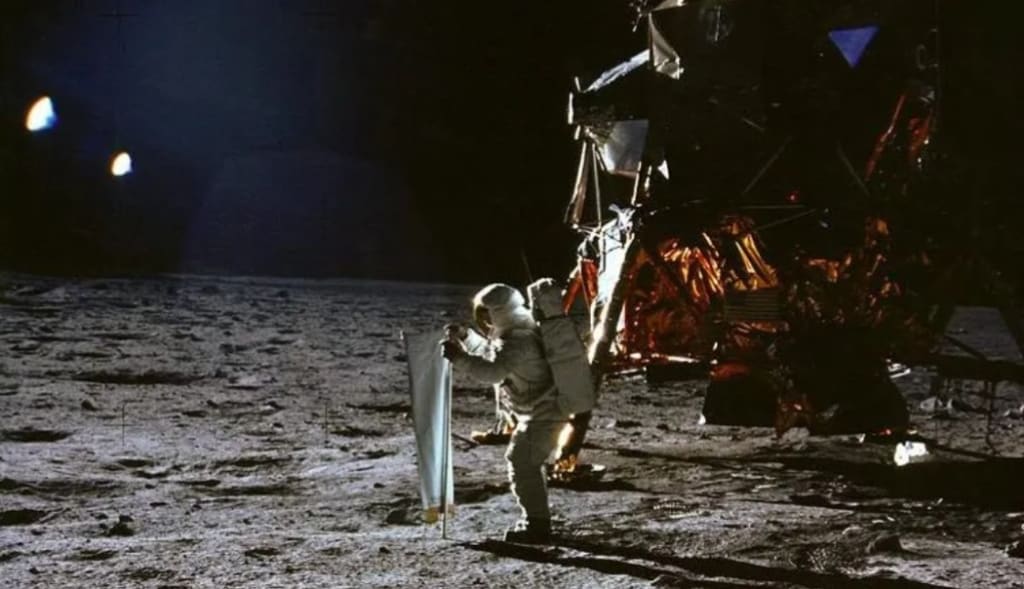
Throughout history, a single image has occasionally captured the imagination of the world, challenging beliefs and inspiring reflection. In the realm of space exploration, photographs of our planet from orbit have done exactly that. They have not only documented scientific phenomena but also prompted a profound shift in how humans perceive their place in the universe. One image, in particular, has become emblematic of this transformation: a snapshot of Earth suspended in the void of space, delicate, colorful, and singularly beautiful.
---
The Power of Perspective from Above
Seeing Earth from space is radically different from observing it from the ground. On Earth, borders, divisions, and environmental destruction dominate our perception. From orbit, however, these distinctions vanish. A single image can reveal:
The fragility of our ecosystem: Thin layers of atmosphere and isolated clouds highlight how small and vulnerable our planet truly is.
Unity over division: From space, there are no visible borders—just one planet shared by all of humanity.
Cosmic context: The Earth becomes a tiny speck in the vastness of space, emphasizing the enormity of the universe and our fleeting presence within it.
This shift in perspective, often called the “overview effect”, has been reported by astronauts who describe feeling a profound sense of connection to humanity and the planet after viewing it from space.
---
Historical Images That Changed Minds
Several iconic photographs have transformed how humans think about Earth:
1. Earthrise (1968) – Captured by Apollo 8 astronaut William Anders, this image shows Earth rising over the lunar horizon. For the first time, people saw their planet as a small, beautiful, and fragile sphere in the vastness of space.
2. Blue Marble (1972) – Taken by the Apollo 17 crew, this high-resolution image of Earth highlighted its vivid colors, oceans, and cloud formations, creating an enduring symbol of environmental awareness.
3. Pale Blue Dot (1990) – Voyager 1, 6.4 billion kilometers from Earth, captured a tiny dot amidst the vast darkness of space. Astronomer Carl Sagan used it to reflect on human humility and the need to care for our only home.
Each of these images catalyzed discussions in science, philosophy, and environmentalism, demonstrating that a single photograph can reshape collective consciousness.
---
Scientific Insights from a Single Image
Beyond emotional impact, images from space serve a critical scientific function. Satellites and space missions provide data on climate change, deforestation, urbanization, and natural disasters. A single frame can reveal:
Melting ice caps and shrinking glaciers
Deforestation patterns in the Amazon and elsewhere
Large-scale oceanic changes, including currents and algal blooms
Such images often act as catalysts for research initiatives, influencing environmental policy and public awareness. They provide visual proof of global issues that are otherwise abstract or invisible at ground level.
---
Philosophical and Cultural Shifts
The impact of a space image extends beyond science into philosophy, spirituality, and culture:
Humility and existential reflection: The realization that Earth is a tiny part of an immense universe prompts questions about life, purpose, and our role in the cosmos.
Global unity: Seeing the planet as one object encourages cooperative thinking, international collaboration, and shared responsibility for its care.
Artistic inspiration: Space imagery has influenced literature, visual arts, and cinema, inspiring works that explore the fragility of life and the beauty of the cosmos.
Carl Sagan famously said about the Pale Blue Dot: “That’s here. That’s home. That’s us. On it everyone you love, everyone you know, everyone you ever heard of… lived out their lives.” Images like this foster a sense of shared human identity.
---
Technological Evolution Amplifies Impact
With modern satellites, high-resolution cameras, and space telescopes, the ability to capture and share images has grown exponentially:
Real-time imaging allows global monitoring of climate and natural disasters.
Citizen-accessible platforms let anyone view Earth from orbit, enhancing public engagement with space science.
Digital media ensures that impactful images spread quickly, influencing public opinion and inspiring activism.
What once required an astronaut’s viewpoint can now be experienced by millions in homes, classrooms, and online spaces, democratizing perspective-shifting experiences.
---
Images as Catalysts for Action
A single image can spark more than contemplation—it can drive tangible action:
Environmental policies, such as the establishment of national parks or international climate agreements, have been influenced by images showing the planet’s fragility.
Public support for space exploration and investment in satellites grows when imagery demonstrates the interconnectedness of global systems.
Artistic and cultural movements promoting sustainability, peace, and global unity often draw on the aesthetic and emotional power of space imagery.
Thus, one image can inspire generations, shaping decisions that affect billions of people.
---
The Enduring Lesson
Ultimately, the lesson is simple: perspective matters. Humanity often focuses on local conflicts, politics, or short-term goals, but viewing Earth from space reframes priorities. A single image reminds us that:
Our home is finite and fragile.
Humanity shares one destiny on this tiny planet.
Cooperation, compassion, and stewardship are not optional—they are essential.
Even in a world saturated with images and information, the sight of Earth from orbit continues to evoke awe, reflection, and a renewed sense of responsibility.
---
Conclusion
Yes, one image from space can change humanity’s perspective. Whether it is the Apollo-era Blue Marble, Voyager’s Pale Blue Dot, or modern high-resolution satellite imagery, these photographs condense science, philosophy, and art into a single frame. They encourage us to rethink our priorities, to cherish our planet, and to recognize the interconnectedness of all life. In an era facing environmental crises, geopolitical challenges, and technological disruption, the simple act of seeing Earth from afar may be one of the most profound catalysts for collective human reflection and action.
About the Creator
Keep reading
More stories from Salaar Jamali and writers in Beat and other communities.
Arctic Scientists ‘Feel Pretty Uncomfortable’ on Greenland
When researchers head to the Arctic’s icy frontiers, they anticipate cold winds, creaking ice, and logistical hurdles. What few expected, however, was that politics and shifting global alliances would soon rival environmental extremes as one of the biggest challenges to scientific exploration — particularly in Greenland.
By Salaar Jamali4 days ago in Beat




Comments
There are no comments for this story
Be the first to respond and start the conversation.