60s music
Groove along to Beat Media's breakdown of the bands, artists, songs and culture that defined the 60s.
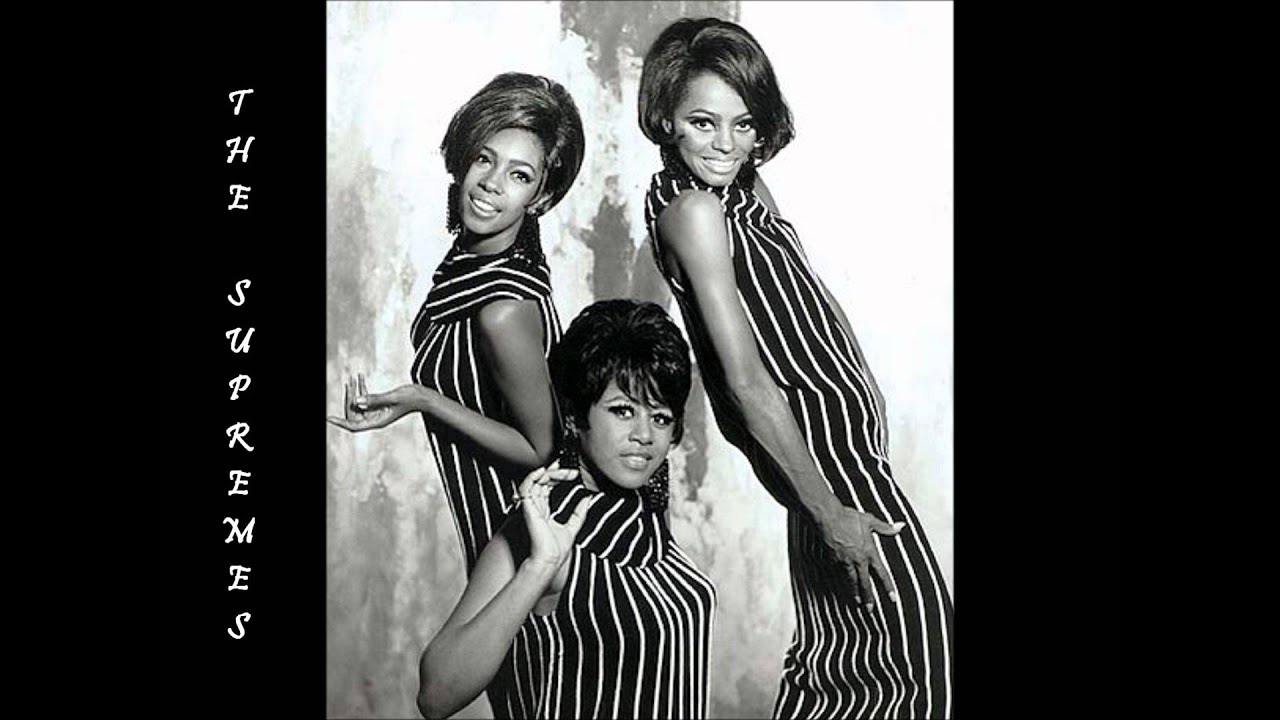
"Stop in the Name of Love"
The Supremes was an American female singing group that came out with lots of memorable hits. They were at the top of the acts with Motown Records during the 1960s. The Supremes had a likable and bouncy sound and had 12 number one songs on the Billboard Hot 100. The Supremes originally began as the Primettes in Detroit, Michigan back in 1951. In the mid-1960s when they were on top, the Supremes actually rivaled The Beatles for popularity around the globe. It was their great success which paved the way for future R&B and soul musicians to gain popularity.
By Rasma Raisters7 years ago in Beat
Songs with Soul and Inspiration
Back in the mid-1960s, a popular duo on the music scene was The Righteous Brothers. What was interesting about them was that they were not really brothers they were Bill Medley and Bobby Hatfield both born in 1941. They had a great singing style and one of their well-known songs was “(You’re My) Soul and Inspiration”from 1966.
By Rasma Raisters7 years ago in Beat
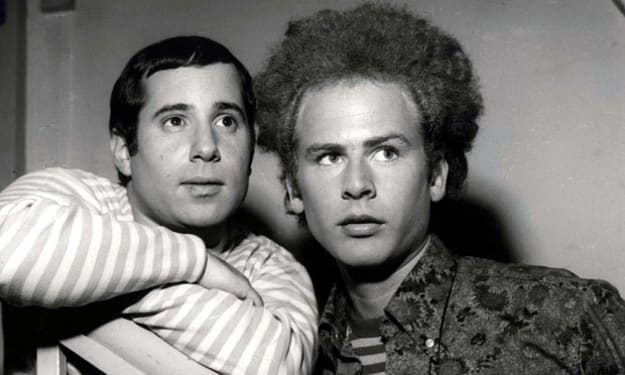
The Amazing Talent of Simon & Garfunkel
Like being born under a lucky star, Paul Simon and Art Garfunkel discovered that they had the talent to harmonize as early as the sixth grade. At that time, they lived and played in Forest Hills, Queens, New York City. When they became a duo, they wove their magic creating incredible melodies and songs in the late 1960s and early 1970s.
By Rasma Raisters8 years ago in Beat
On the Road in Somers with Scott Urgola
As could be said for most of us, hearing the Beatles for the first time begins a journey into music that never ends. “I decided at 13,” said Scott Urgola, “that I needed an electric guitar.” This as he was transfixed to the TV during the airing of the Beatles Anthology in 1996. Urgola would progress through that phase in high school and college. But the Somers singer/songwriter’s musical arrival didn’t start until introduced to an American legend much further removed from the telegenic electricity of the Beatles.
By Rich Monetti8 years ago in Beat
Paul McCartney's Two New Songs
I heard a new song by Paul McCartney earlier today on Sirius XM's The Beatles Channel—"Come On to Me"—and liked it enough that I just listened to it again on iHeart Radio, along with another new McCartney song, "I Don't Know," which I like even more. You can hear both along with the videos and lyrics over here.
By Paul Levinson8 years ago in Beat
The Most Powerful Political Songs of the Decade: The 1960s
Teeming with various issues regarding race, religion, and war, still, even 50 years later, the 1960s is one of the most newsworthy decades ever. From the Civil Rights Movement to the assassination of JFK, to rallies on the war in Vietnam, protest music was everywhere.
By Shandi Pace8 years ago in Beat
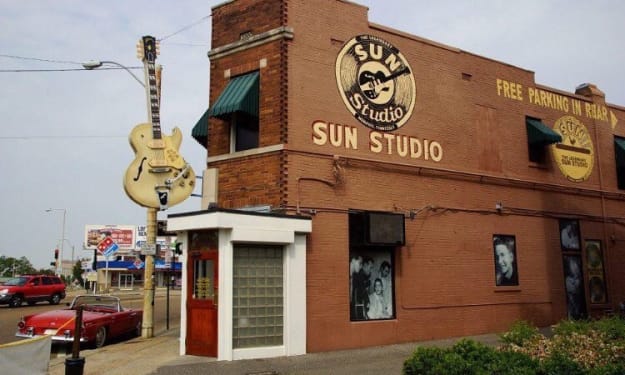
Sun Records
The year was 1950. A man by the name of Sam Phillips had a dream about recording hits that would blow music lovers out of the water. He loved playing music, but even more so he had the desire to record them. So after saving up as much money as he could, he bought a small little building on the corner of Marshall and Union Avenue. Originally it was called Memphis Recording Service, but in the year 1952 it became Sun Studio. He took his time making the small building his. He hung every piece of tile in the building, from the walls to the ceiling. He converted the old car garage into his very own Recording Studio. Sam Phillips worked hard, but not as hard as his secretary Marion Keisker. She was the first person any of the walk-in artist saw. Her smile and pretty eyes were always welcoming
By Kay Bernheart8 years ago in Beat
The Four Seasons
During the 1960s, The Four Seasons was one of the most successful white vocal groups. They had a series of great hit singles between 1962 and 1967. Fans just loved Frankie Valli’s piercing falsetto (three octaves) voice. The group’s career spanned almost 40 years and during that time Frankie Valli and the Four Seasons sold more than 100 million records.
By Rasma Raisters8 years ago in Beat
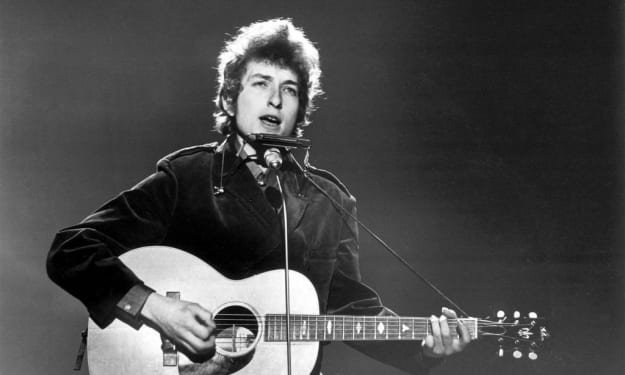
Lyrical Interpretation from Bob Dylan: 'Blowin' in the Wind'
Bob Dylan is one of the most well-respected musicians in his era, giving strong meaning and perception to timeless music. "Blowin' in the Wind" (recorded in May of 1962) provides three themes to the song: war, freedom, and peace. Those themes give strong meaning to social movement and the Vietnam War. Each line in the song gives a different meaning and suggests structure throughout the entire song. In analyzing the lyrics of every verse, there’s no right or wrong answer to what something means or suggests. However, a common theme is mentioned, starting with lyrics representing war in the first verse.
By Jason Anschutz8 years ago in Beat
The Golden Age of Gospel - The Highway Q.C.'s
As I have said in the previous post, I would talk about some of my interests, college, music, and my experiences with Young Life. The main interest I have that not many millennials have is gospel music from the 50s and 60s. The reason for that is because this type of music has been forgotten for the last 60+ years in American music history. I believe that because it is gospel music, and that not many people listen to it despite the amount of white and black audiences it attracted then.
By Joshua Jackson8 years ago in Beat
Darlene Love Never Fails to Bring Christmas Home
Darlene Love first appeared on the scene in the 1960’s girl group, The Blossoms. The female flowering provided doo-wop backup for artists that ranged from Sam Cooke and Elvis to Frank Sinatra and Dionne Warwick. On her own - through the sometimes contentious relationship with Phil Specter - emerged hits like He’s a Rebel, He’s Sure the Boy I Love and Wait til my Bobby gets Home. Her resume also includes screen credits as Danny Glover’s wife in the Lethal Weapon movies and a decades long run singing Christmas Baby Please Come Home on the David Letterman Show. But while her voice may have destined her for stardom, it was her father’s weekly inspirational oratory that would actually force the path she landed on.
By Rich Monetti8 years ago in Beat