Muhammad Hassan
Bio
Muhammad Hassan | Content writer with 2 years of experience crafting engaging articles on world news, current affairs, and trending topics. I simplify complex stories to keep readers informed and connected.
Stories (467)
Filter by community
Siri Set to Become Apple’s First AI Chatbot in Late 2026. AI-Generated.
Apple has been at the forefront of technology and innovation for years, and now the tech giant is preparing to take its most iconic digital assistant, Siri, to the next level. In late 2026, Siri is set to become Apple's first AI chatbot, evolving from its traditional role as a voice assistant into a full-fledged conversational agent powered by advanced artificial intelligence (AI) and machine learning (ML) technologies. This move is poised to significantly transform how users interact with their Apple devices, as well as how they engage with AI chatbots in general.
By Muhammad Hassanabout a month ago in The Swamp
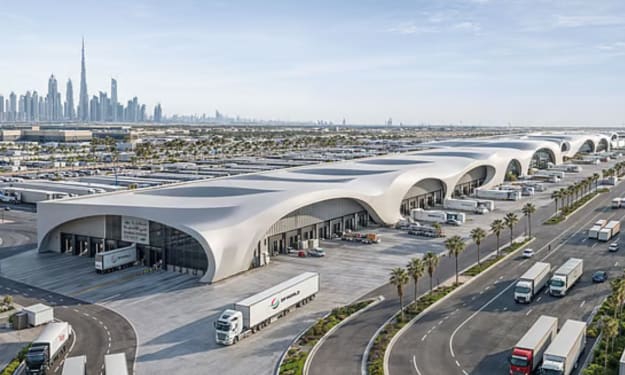
Dubai Food District Unveiled as DP World Expands Al Aweer Market. AI-Generated.
In a significant move that will shape the future of Dubai’s food industry, DP World has unveiled its latest project, the Dubai Food District, as part of an expansion of the Al Aweer Market. This new development is set to revolutionize the region’s food trade, offering state-of-the-art facilities designed to streamline the supply chain, foster innovation, and bolster Dubai’s position as a global hub for food trade. With the rise of global demand for fresh, high-quality food products, this ambitious expansion promises to elevate the UAE’s food sector and enhance the efficiency of food distribution across the region.
By Muhammad Hassanabout a month ago in Earth
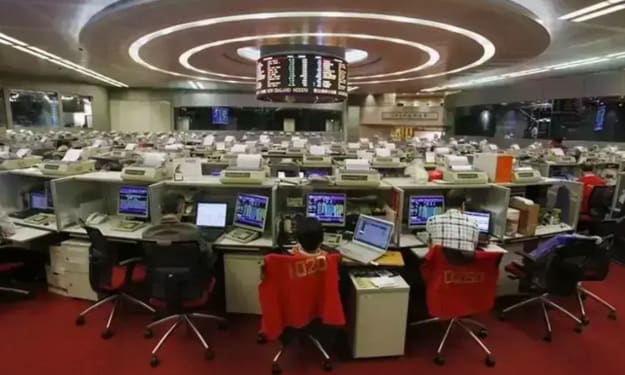
China and Hong Kong Stocks Slip as Non-Ferrous Metals Slide on Easing Geopolitical Tensions. AI-Generated.
On a day marked by shifting geopolitical dynamics, China and Hong Kong stocks saw a slight decline as the non-ferrous metals sector took a hit. The downturn came amid a global easing of geopolitical tensions, which had previously driven volatility in commodity markets, particularly in the metals sector. While the easing of these tensions is seen as a positive development for the global economy, it has led to an unexpected slip in markets, as investors recalibrate their positions in response to changing global conditions. Let’s dive deeper into how these shifts in the geopolitical landscape have impacted the Chinese and Hong Kong stock markets and the performance of non-ferrous metals, such as copper, aluminum, and zinc. Geopolitical Tensions Easing: A Double-Edged Sword for Global Markets For much of the past few years, geopolitical tensions—particularly between the United States and China, as well as concerns over global supply chains and trade restrictions—have weighed heavily on global financial markets. Tariffs, sanctions, and trade war rhetoric have all contributed to volatility in both stock markets and commodities. However, recent signs of easing tensions between major global players have shifted market sentiment. Diplomatic breakthroughs, trade negotiations, and the reduction of military conflicts in certain regions have led investors to believe that the worst of these geopolitical risks may be behind us—at least for now. While this development is largely viewed as positive for long-term economic stability, it has had an immediate impact on commodity prices, particularly for non-ferrous metals. Non-ferrous metals, which include widely used materials like copper, aluminum, and zinc, have been particularly sensitive to geopolitical events. These metals are crucial to industries ranging from electronics to construction, and their prices tend to rise when there are concerns about supply disruptions, such as those caused by geopolitical instability. With the easing of these tensions, the fear of disruptions has decreased, and as a result, prices for non-ferrous metals have softened. The immediate market reaction has been mixed, but it has led to sliding prices for commodities that have been highly sensitive to geopolitical risks, thereby putting pressure on related stocks. China’s Stock Market Reaction On the Chinese mainland, the Shanghai Composite Index and other key indices experienced a downward movement as a result of these developments. While the Chinese government continues to push for economic stability and growth, its stock market has been vulnerable to external pressures. The easing of geopolitical tensions has led investors to reassess their positions, and concerns over a slowdown in demand for non-ferrous metals have weighed on sentiment in China’s resource-heavy sectors. The non-ferrous metals sector is a significant component of China’s stock market, with large mining and manufacturing firms playing an integral role in the economy. The decline in metal prices has directly impacted these firms, leading to a drop in their stock values. Notably, China Northern Rare Earth Group, Zhongtai International, and other key players in the metals sector saw their share prices decline, reflecting the reduced demand for their products amid the calming of geopolitical tensions. Despite the recent decline, experts suggest that China’s long-term economic growth prospects remain strong, driven by industrial demand, technological advancements, and an increasing push for green energy. However, the short-term impact of easing geopolitical risks has brought some caution to the market. Hong Kong Stocks: A Reflection of Broader Regional Trends Hong Kong, often seen as a global financial hub and a barometer for regional market movements, mirrored the broader trend observed in mainland China’s stock market. The Hang Seng Index, which tracks the performance of major Hong Kong-listed companies, also slipped as resource and materials stocks experienced declines. In particular, companies involved in the extraction, processing, and trading of metals saw their share prices dip. China Hongqiao Group, a major aluminum producer, was among the hardest-hit, reflecting the downturn in aluminum prices caused by the stabilization of geopolitical risks. Other resource-focused companies in Hong Kong, including those dealing with copper and zinc, also saw a decline in investor confidence. The volatility in the Hong Kong market is a reminder that even the easing of geopolitical risks, typically seen as a positive factor, can sometimes cause short-term turbulence in sectors that have been driven by heightened global tensions. The metals market, in particular, has been highly reactive to international events, and the softening of those tensions can result in price corrections, impacting the stock values of companies dependent on those prices. Non-Ferrous Metals: The Core of the Drop Non-ferrous metals, essential for a wide range of industries—from electronics to automotive manufacturing and construction—have been a key focus for investors in recent years. Historically, copper, aluminum, and zinc prices rise during periods of geopolitical instability due to concerns about supply chain disruptions and reduced availability. When tensions rise, countries like China and the United States—major consumers and producers of metals—stockpile resources, which further drives up prices. However, with tensions easing, the immediate demand for these metals has softened, leading to a pullback in prices. The drop in copper prices, for instance, has had a significant impact on related industries, including electric vehicle manufacturing and renewable energy, both of which rely on the metal for their products. Similarly, the aluminum market has faced a correction as the fear of trade restrictions and export bans has lessened. This has caused prices to fall back from their recent highs, with global supply chains now facing fewer disruptions. As a result, companies dealing in non-ferrous metals are seeing the effects on their stock prices, with investors shifting their focus to other industries that may be better positioned to benefit from the current global climate. The Impact on Investor Sentiment Investor sentiment in both China and Hong Kong has been notably influenced by the easing of geopolitical tensions, as markets recalibrate in response to changing global conditions. While long-term optimism remains for both regions, the short-term effects of sliding metal prices have introduced a level of caution, particularly among resource-heavy stocks. In the broader context of global markets, these developments serve as a reminder that even positive changes in the geopolitical landscape can have mixed outcomes for investors. For sectors like non-ferrous metals, which have long been subject to geopolitical risks, a return to normalcy in global relations can result in price corrections and shifts in investor expectations. Looking Ahead: What’s Next for the Markets? As geopolitical tensions continue to ease, markets in China, Hong Kong, and beyond are likely to experience a period of adjustment. While non-ferrous metals may face further downward pressure in the short term, this could present opportunities for long-term investors who are focused on sustainable growth and technological advancements. Furthermore, as the global economy stabilizes, sectors like technology, renewable energy, and consumer goods may emerge as stronger drivers of growth, offering diversification opportunities for investors looking to hedge against the volatility in resource-based industries. Conclusion The recent slip in China and Hong Kong stocks, driven by the decline in non-ferrous metal prices, underscores the complex relationship between geopolitical tensions and commodity markets. While easing tensions are seen as a positive development for global stability, the short-term impact on resource stocks reminds investors of the inherent volatility in these markets. As the global economic landscape continues to evolve, the key will be to find a balance between geopolitical stability and market opportunities across sectors.
By Muhammad Hassanabout a month ago in The Swamp
Telefónica Tech to Connect More Than 4,000 Meters for Aguas de Cádiz. AI-Generated.
Telefónica Tech, a leading global provider of digital transformation solutions, is set to make a significant impact in Cádiz, Spain, by connecting more than 4,000 water meters for Aguas de Cádiz, the public company responsible for the management of water services in the region. This move is part of a broader effort to leverage smart technology and IoT (Internet of Things) capabilities to optimize water management, improve operational efficiency, and promote sustainability in the area.
By Muhammad Hassanabout a month ago in The Swamp
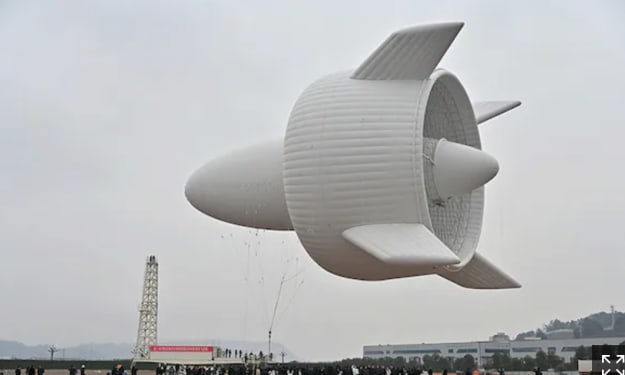
Chinese Airship S2000: The First to Supply Grid Power at 2000 Meters. AI-Generated.
In a groundbreaking development for both renewable energy and aerospace technology, the Chinese Airship S2000 has become the first airborne vehicle to supply grid power at 2000 meters above ground. This milestone represents a new frontier in how renewable energy can be delivered to remote, high-altitude regions where traditional infrastructure has struggled to reach. By harnessing the power of wind turbines and solar panels, the S2000 is setting the stage for a future where airborne platforms can support the global energy grid.
By Muhammad Hassanabout a month ago in The Swamp
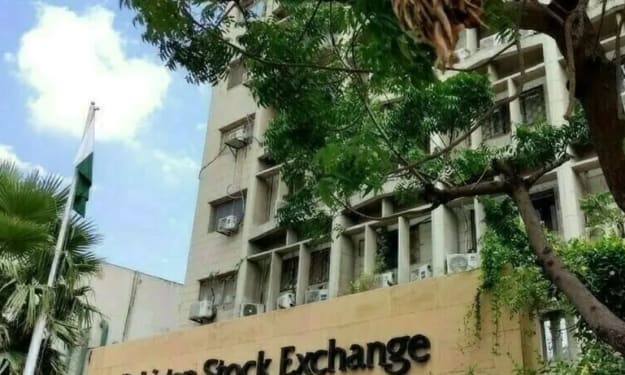
KARACHI: BRIndex100 and BR Sectoral Indices on Wednesday (January 21, 2026). AI-Generated.
On Wednesday, January 21, 2026, the Karachi Stock Exchange (KSE) witnessed notable movements across various indices, with the BRIndex100 and the BR Sectoral Indices showing significant shifts in their values. The day’s trading session revealed the market’s response to both global financial trends and local economic developments, offering traders and investors critical insights into the state of Pakistan’s economy. Let’s break down the performance of these indices and the broader trends influencing them.
By Muhammad Hassanabout a month ago in The Swamp
US Set to Quit World Health Organization: What It Means for Global Health. AI-Generated.
In a dramatic turn of events, the United States has announced its decision to withdraw from the World Health Organization (WHO), the UN's specialized agency responsible for coordinating global public health. This move, which has sparked both concern and debate, comes amidst ongoing global challenges such as the COVID-19 pandemic, rising health inequalities, and the urgent need for international cooperation to address health crises. But what does this decision mean for the future of global health and the future of WHO’s ability to respond to emerging health threats? The Decision to Quit: A Shift in US Foreign Policy The United States’ relationship with the World Health Organization has been contentious at times, but this formal withdrawal marks a significant shift in US foreign policy. President Donald Trump’s administration first initiated the exit in 2020, accusing the WHO of mismanaging the COVID-19 pandemic and of being overly influenced by China. Trump’s administration had criticized the WHO’s early handling of the pandemic, particularly in regards to the organization’s initial response to the virus emerging in Wuhan, China. The US also argued that the WHO had become too bureaucratic and inefficient, failing to meet the expectations of its largest financial contributor. As a result, the Trump administration cut off funding and sought to reassert American independence from global health organizations. Despite the change in administration under President Joe Biden, the US remains determined to focus on its own health priorities, with some lawmakers and public health experts questioning whether it’s time for the US to adopt a more self-reliant approach to its health strategy, particularly in the context of growing national health challenges. The Impact on Global Health Cooperation The WHO has played an instrumental role in combating global health threats, from eradicating smallpox to addressing the HIV/AIDS pandemic and supporting the fight against malaria and tuberculosis. The organization’s ability to coordinate health initiatives, provide funding for countries with limited resources, and facilitate research has been crucial in saving millions of lives. One of the most significant concerns about the US withdrawal is the impact on international cooperation. The WHO relies on collaboration between its 194 member states to tackle health crises, and the US has traditionally been one of the organization’s largest donors. Without American financial and political support, the WHO will face increased challenges in coordinating global responses, especially in low-income countries that depend on its assistance. Additionally, the United States’ departure could undermine efforts to address future pandemics, as the WHO’s role as the coordinating body for international health responses could be weakened. The US is a major player in the global health community, and its absence could create a void that might be filled by other countries or rival organizations, potentially leading to fragmentation and inefficiency in the global health landscape. The Repercussions for the COVID-19 Pandemic Response The COVID-19 pandemic highlighted the need for strong international health institutions. The WHO played a key role in facilitating the global distribution of vaccines through the COVAX initiative and issuing critical health guidelines to slow the spread of the virus. However, the pandemic also exposed several weaknesses within the WHO, including delays in decision-making and transparency issues, particularly in the early days of the outbreak. The US withdrawal could have long-term repercussions for global vaccination efforts, especially as new variants of COVID-19 continue to emerge. While the US has made significant progress in vaccinating its own population, there are still millions of people in developing nations who are awaiting access to vaccines. The WHO has been a crucial mechanism in ensuring that vaccines are distributed equitably, and without the US’s involvement, the global effort to contain the pandemic may lose momentum. Furthermore, the US has historically been a key player in research, innovation, and the development of public health policies. Without its involvement in the WHO, it could limit the agency’s ability to drive global health initiatives, particularly in areas such as vaccine research, disease surveillance, and emergency preparedness. What’s Next for the WHO? The WHO is far from being a perfect institution. Over the years, it has faced criticism over its handling of major health crises, as well as its bureaucratic inefficiencies and lack of transparency in some instances. However, despite these challenges, the WHO remains the primary international body for global health governance, with a mandate to respond to health emergencies, provide technical assistance to member states, and monitor global health trends. For the WHO to continue its critical work without the US, it will likely need to find new sources of funding and support from other member states. China, which has been a long-time partner of the WHO, could step into a more prominent role, but this could also exacerbate political tensions, particularly with countries like the US, which has expressed concern about China’s growing influence in global health governance. Additionally, the WHO will need to address internal reforms to improve its responsiveness and transparency. Greater accountability and flexibility in dealing with emerging health crises will be essential for maintaining the confidence of member states and the global public. The Future of Global Health Governance The US withdrawal from the WHO raises broader questions about the future of global health governance. With growing concerns about health security, climate change, and other cross-border challenges, international collaboration is more critical than ever. If the US continues to disengage from the WHO, it could set a precedent for other nations to reduce their commitments, leading to a more fragmented and less coordinated global health response. Alternatively, the situation could prompt the international community to rethink and rework the framework for global health cooperation. New alliances and partnerships could emerge, and existing global health organizations may need to adapt in order to better address 21st-century challenges. Conclusion: A Changing Landscape for Global Health The US decision to quit the WHO is a pivotal moment in the history of global health. While the WHO has faced significant challenges, its role in addressing pandemics, global health threats, and promoting health equity cannot be overstated. The withdrawal of the US raises critical questions about the future of international cooperation in public health and the WHO’s ability to function effectively without one of its most influential members. As the world grapples with health crises that cross borders—like COVID-19, climate-related health risks, and rising chronic diseases—the importance of global collaboration cannot be understated. The US’s decision to step away from the WHO is not just a diplomatic move; it is a signal of the shifting priorities of world powers in the realm of global health. What happens next will shape the future of global health governance for decades to come.
By Muhammad Hassanabout a month ago in The Swamp
From Seal Meat to Ice Sheets: A Century of Reporting From Antarctica. AI-Generated.
Antarctica—the frozen southernmost continent—has long fascinated scientists, explorers, and journalists alike. From the earliest expeditions in the late 19th and early 20th centuries to modern climate research missions, journalists have chronicled Antarctica’s extremes, documenting both its human stories and its environmental mysteries. Over the past century, reporting from this remote and forbidding landscape has evolved dramatically, reflecting changing societal interests, technological advances, and growing concerns about climate change.
By Muhammad Hassanabout a month ago in Earth
Blue Origin Introduces TeraWave: A 6 Tbps Space-Based Network for Global Connectivity. AI-Generated.
Blue Origin, the space exploration company founded by Jeff Bezos, has unveiled its latest ambitious project: TeraWave, a space-based network designed to deliver ultra-fast internet connectivity around the globe. With a staggering capacity of 6 terabits per second (Tbps), TeraWave promises to redefine how people and businesses connect, particularly in remote and underserved areas. The announcement marks a significant step forward in the growing competition among private space companies to provide global satellite internet.
By Muhammad Hassanabout a month ago in Earth
10 Long Books for Long Winter Nights. AI-Generated.
Winter nights are perfect for getting lost in a good book. There’s something about the long evenings, chilly winds, and snow falling outside that makes reading an immersive, comforting escape. While short stories and novellas have their charm, sometimes you crave something more substantial—books that transport you to another world, fully develop complex characters, and keep you hooked for days or even weeks. If you’re looking for that kind of literary adventure this winter, here are ten long books that are perfect for long winter nights.
By Muhammad Hassanabout a month ago in The Swamp
What We Know About the Winter Storm About to Hit the US—and What We Don’t. AI-Generated.
A major winter storm is barreling toward the United States, raising concerns from meteorologists, emergency officials, and residents alike. Across large portions of the country, from the southern plains to the Northeast, communities are preparing for heavy snow, ice, and gusty winds. Yet despite advanced forecasting technology, uncertainty remains about the storm’s timing, intensity, and ultimate impact. Understanding what we know—and what we don’t—can help families and local governments make better preparations for the potentially disruptive weather ahead.
By Muhammad Hassanabout a month ago in Earth
Europe Aims to Break Free from US Internet Technology: The Push for Digital Independence. AI-Generated.
Europe is embarking on an ambitious journey to reduce its reliance on US internet technology, signaling a bold move toward digital sovereignty. The growing concerns over cybersecurity, data privacy, and economic dependency have prompted European policymakers to rethink their technological landscape, aiming to build a self-reliant digital ecosystem. From cloud computing to social media platforms, Europe is recognizing the risks of depending too heavily on American tech giants like Google, Microsoft, and Amazon.
By Muhammad Hassanabout a month ago in The Swamp