Inayat khan
Stories (16)
Filter by community
What We Chose Not to See
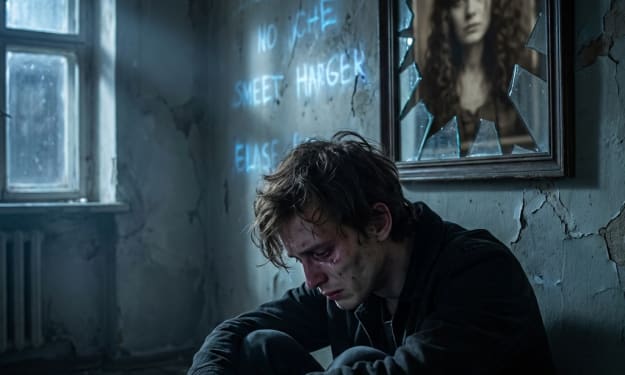
The morning the cracks appeared, no one said a word. It started with the sound. A thin, splitting noise like glass bending under pressure. I heard it while brushing my teeth. The mirror above the sink trembled slightly, but when I looked at it, my reflection stood steady. Calm. Ordinary. Behind me, however, a thin black line ran from the ceiling to the floor. I blinked. It was gone. At breakfast, my mother spread butter across toast as if the world had never once disappointed her. “Did you hear that?” I asked. “Hear what?” she replied, not looking up. “That sound. Like something breaking.” She smiled faintly. “Old houses make noises.” Our house wasn’t old. I wanted to argue, but my father folded his newspaper with precise movements and stood up for work. The headline read: CITY REPORTS RECORD STABILITY Outside, the sky was pale gray. Not cloudy — just colorless, like someone had erased the blue. The air felt thick in my lungs. On the way to school, I noticed something else. The streetlight at the corner leaned slightly to the left, its metal pole twisted unnaturally. Cars drove past it without slowing. A woman pushing a stroller walked directly beneath it without glancing up. Didn’t they see? Or were they choosing not to? At school, the cracks were everywhere. A long fracture ran across the classroom wall, jagged and dark. The clock above the board ticked backward for three full seconds before correcting itself. No one reacted. Mr. Halpern continued explaining supply and demand as if time reversing was part of the curriculum. I raised my hand. “Sir, the clock—” He didn’t look at it. “Focus on your notes.” “But it just—” “Everything is functioning normally,” he said firmly. The class nodded. I stopped talking. By afternoon, the air outside carried a faint smell of smoke. Not strong enough to cause panic. Just noticeable enough to make breathing uncomfortable. People walked with their usual rhythm. They checked their phones. They laughed. They ordered coffee. The café windows reflected the street, but something was wrong with the reflections. Buildings looked taller in the glass. Skewed. Like they were stretching upward beyond the sky. I stepped closer to look. In the reflection, I wasn’t alone. Behind me stood a crowd of faceless figures. Perfectly still. Watching. I turned. The street was empty. When I looked back at the glass, the reflection was normal again. A barista tapped on the window from inside. “We’re closing early.” “Why?” I asked. She hesitated. Just for a second. “Maintenance.” Smoke drifted faintly above the rooftops. No alarms sounded. That night, the cracks returned. This time they didn’t disappear. They spread across the ceiling like lightning frozen in place. My bedroom light flickered. The air hummed. From downstairs, I heard my parents talking in soft, measured voices. “…it’s spreading faster.” “…don’t scare him.” “…if we act normal, it stabilizes.” I froze. If we act normal. Stabilizes what? The humming grew louder. A picture frame fell from the wall, its glass shattering against the floor. I ran downstairs. The living room ceiling had split open. Not wide — just enough to reveal darkness beyond it. Not night sky darkness. Not empty space. Movement. Slow. Shifting. Breathing. My mother stood beneath it with her arms crossed. “Mom,” I whispered. “You see that, right?” She didn’t look up. “See what?” “The ceiling!” “It looks fine.” My father placed a hand on my shoulder. His grip was firm. Too firm. “Listen to me,” he said quietly. “Nothing is happening.” “But it is.” He leaned closer. “The more you acknowledge it, the worse it becomes.” The crack above us pulsed. Dust fell like ash. I felt something inside me twist. “So we just pretend?” “Yes,” my mother said gently. “That’s how we’ve always survived.” Survived what? The house groaned. The next morning, half the sky was gone. Where blue should have been, there was only blankness. Not clouds. Not storm. Just absence. News channels played cooking shows. Social media was full of selfies under a disappearing sky. #Blessed #AnotherBeautifulDay The city continued moving. I stood in the center of the street and stared upward. The blank space spread slowly, swallowing color inch by inch. Birds flew into it and never came out. A man beside me checked his watch. “Traffic’s bad today.” “Look up,” I said. He frowned. “At what?” The blankness crept closer to the sun. Shadows sharpened. Windows began cracking outward. Still, no one screamed. My chest tightened. Maybe they were right. Maybe acknowledging it made it worse. Maybe silence was safety. A loud snap split the air as the leaning streetlight finally broke in half, crashing onto a parked car. People stepped around it casually. I looked at the sky again. It was nearly all gone now. Only a thin strip of blue remained, trembling like fragile glass. My reflection appeared in a nearby shop window. Behind me stood the faceless crowd again. But this time, they weren’t watching. They were fading. And in the reflection, I saw something else. Cracks spreading across my own skin. Thin. Dark lines tracing my arms. I touched my face. Smooth. Untouched. But in the glass, I was breaking. The last piece of blue sky shattered without sound. Everything turned white. Blinding. Endless. I waited for panic. For screams. For collapse. Instead— Voices. Calm. Measured. “Beautiful morning.” “Everything’s fine.” “Nothing unusual.” The white brightness softened. Buildings reappeared. The sky returned — perfect blue. No cracks. No smoke. No blankness. The streetlight stood upright again. The car was undamaged. People walked past me with mild annoyance. I rushed home. The ceiling was whole. The walls smooth. My parents sat at the table drinking coffee. “Rough night?” my mother asked lightly. “You remember it,” I said. “You have to.” My father folded his newspaper. The headline read: CITY REPORTS RECORD STABILITY He met my eyes. “For things to remain,” he said carefully, “some things must go unseen.” My reflection in the window smiled before I did. And that was when I understood. The cracks hadn’t been in the world. They had been in me. And everyone else had learned the secret long ago: Ignore the fracture. Ignore the smoke. Ignore the missing sky. Because if even one person refuses to pretend— The illusion breaks. And maybe the world with it. So I sat down. Picked up my cup. Looked at the perfect ceiling. And said nothing.
By Inayat khanabout 4 hours ago in Fiction
The Weight of Things I Never Said
I used to believe silence was strength. When I was younger, I thought strong people were the ones who endured everything without complaining. The ones who swallowed their words before they could cause trouble. The ones who nodded instead of arguing. Who smiled instead of breaking. So I learned to be quiet. In our house, quiet was normal. It sat at the dinner table with us. It followed us into separate rooms. It slept between the walls. We spoke about practical things—bills, school, groceries—but never about feelings. Feelings were like fragile glass; no one wanted to be responsible for dropping them. My father believed in discipline more than conversation. My mother believed in endurance more than expression. I believed in survival. The first time I remember holding my words back, I was nine. I had drawn something at school—a messy picture of our family standing under a bright blue sky. I was proud of it. I ran home with the paper folded carefully in my bag. That evening, my father came home tired. The air felt heavy. I stood in front of him with the drawing in my hand. “Not now,” he said. He didn’t look at it. It wasn’t anger. It wasn’t cruelty. It was dismissal. Casual and unintentional. But something inside me folded along with that paper. I told myself it didn’t matter. But that was the first thing I didn’t say: I just wanted you to see me. As I grew older, silence became easier. When friends argued, I listened. When teachers were unfair, I accepted it. When someone hurt me, I told myself it wasn’t worth the trouble of explaining why. Every unspoken sentence settled somewhere inside me. Not loud enough to explode. Not light enough to disappear. In high school, I fell in love with someone who liked my calmness. “You’re so easy,” they said once. “You never overreact.” They meant it as a compliment. I smiled. What I didn’t say was that I overreacted all the time—just internally. My chest tightened. My thoughts spiraled. My heart rehearsed conversations I would never actually have. When they forgot my birthday, I said, “It’s okay.” When they canceled plans repeatedly, I said, “I understand.” When they slowly drifted away, I said nothing at all. The truth was simple: It hurt. But pain, when buried long enough, starts to feel like personality. I became the understanding one. The mature one. The strong one. People confided in me. They trusted me. They told me their fears and heartbreaks. I held their words carefully, like fragile glass. No one asked what I was holding. It wasn’t that they didn’t care. It was that I had trained them not to worry. I had built a version of myself that required nothing. Silence can be addictive. It keeps things stable. It avoids conflict. It makes you appear composed. But it also builds walls. The first crack in mine came unexpectedly. I was twenty-three when my mother and I argued for the first time in years. It started over something small—missed calls, unanswered messages. Ordinary things. But the frustration in her voice surprised me. “You never tell me anything,” she said. “I don’t know what you feel.” I almost laughed at the irony. For years, I had wanted to say the same thing to her. Instead, I stood there, heart pounding, old habits tightening around my throat. I could end this easily, I thought. I could apologize. I could retreat. I could stay silent. That would be safer. But something inside me was tired—tired of carrying words that had grown too heavy. “I learned from you,” I said quietly. The room changed. She looked at me differently, as if noticing a stranger standing where her child used to be. “What do you mean?” she asked. My hands were shaking. I wasn’t used to speaking without rehearsal. “I mean… we don’t talk about things. We just endure them. And I got good at that.” The confession felt fragile. Dangerous. For a moment, I thought she might deny it. Or dismiss it. Instead, she sat down. “I didn’t know you felt that way,” she said. Of course she didn’t. I had never told her. That conversation didn’t fix everything. We didn’t suddenly become expressive or emotionally fluent. Years of silence don’t disappear in a single evening. But something shifted. I realized that the weight I carried wasn’t entirely caused by others. Part of it belonged to me—the choice to stay quiet, again and again, even when my voice deserved space. Silence had protected me as a child. It kept peace. It avoided disappointment. But as an adult, it was isolating me. There’s a difference between being calm and being unheard. Between being patient and being invisible. Between choosing silence and being trapped inside it. I still struggle. Even now, there are moments when words rise to my lips and hesitate. Old habits don’t vanish overnight. Sometimes it feels easier to let things slide, to avoid the risk of misunderstanding. But I’m learning something new. Strength is not the absence of emotion. It is the courage to express it. The weight of things I never said still exists. Some words will probably remain buried forever. Childhood versions of myself still holding drawings no one saw. Younger versions swallowing tears no one noticed. I can’t go back and speak for them. But I can speak for who I am now. And every time I choose honesty over silence—even in small ways—the weight shifts. It doesn’t disappear. But it becomes lighter. Manageable. Because some words stay buried. But the ones we finally dare to say? They teach us how to breathe again.
By Inayat khan3 days ago in Fiction
What Floats When No One Carries You
Some pain doesn’t ask for attention. It doesn’t scream or leave marks behind. It stays quiet, tucked inside you, moving slowly—like something drifting under water. You don’t always notice it until you’re too tired to pretend it isn’t there. I learned that kind of pain early. The morning always started the same way. Silence in the house. A half-finished cup of tea on the table. My mother’s door closed. My father already gone. The day waiting for me whether I was ready or not. That morning, my foot still hurt. The doctor had called it “nothing serious.” People say that easily when the pain doesn’t belong to them. Walking, however, reminded me with every step that “nothing serious” could still be exhausting. “Take the bus,” someone had suggested. Buses require money. And money has a habit of disappearing when you need it most. So I walked. The air was cold enough to sting. I tried not to limp, not because it didn’t hurt, but because people stare when they notice weakness. Cars passed. People passed. Conversations floated by without touching me. No one asked how I was. And that’s the strange rule of the world—you’re invisible as long as you keep moving. Halfway to my destination, I stopped by a small pond. Winter had frozen most of it, leaving only a thin layer of clear ice. Beneath the surface, something drifted slowly. A jellyfish. Its movement was gentle, effortless, almost careless. It wasn’t swimming forward or sinking down. It was just floating, letting the water decide where it should go. I stood there longer than I should have. Something about it felt familiar. I thought about how often I felt the same way—moving without direction, surviving without support. Not strong enough to fight everything, not weak enough to give up. Just… floating. School was loud, but I felt distant from it. Sitting hurt. Standing hurt. Thinking hurt. My body carried pain while my mind carried questions I didn’t know how to ask. The teacher spoke. I listened. I understood. But I didn’t raise my hand. Silence had become safer than speaking. When you’ve learned that no one really listens, words start to feel unnecessary. At lunch, everyone gathered in circles. I sat by the window, staring at the sky. I remembered being younger—when my mother used to walk me to school, holding my hand tightly like she was afraid the world might take me away. Back then, the road felt shorter. Back then, pain didn’t follow me everywhere. Back then, I didn’t feel like I had to earn the right to exist. Time changed things. Responsibility arrived without permission. Expectations grew heavier. And somewhere along the way, I learned how to smile even when I was tired of pretending. On the walk home, snow began to fall. Soft at first, then heavier. My foot had gone numb, but I kept going. Stopping felt dangerous. Like if I paused too long, I might never move again. When I reached home, the silence greeted me once more. I dropped my bag and sat on the floor. That’s when the tears came—not dramatic, not loud. Just quiet tears, like they had been waiting all day. I didn’t fight them. People think strength looks impressive. Loud. Confident. Unbreakable. But sometimes strength is just endurance. Showing up when no one notices. Walking when every step hurts. Floating when sinking would be easier. The next morning, my foot still hurt. But something inside me felt different. I realized I wasn’t weak because things were hard. I wasn’t broken because I felt tired. I had been surviving without support, without comfort, without anyone asking the simplest question: Are you okay? And yet, I was still here. Later that day, someone finally noticed. “You look exhausted,” they said. Not judgmental. Just honest. For once, I didn’t smile automatically. “I am,” I replied. The world didn’t fall apart. They didn’t walk away. They just nodded and listened. It didn’t fix everything. It didn’t erase the pain. But it reminded me that being seen doesn’t require being loud—it requires being real. I still have days when I feel like that jellyfish beneath the ice. Drifting. Quiet. Unnoticed. But I’ve learned something important. Floating isn’t failure. Sometimes, floating is how you survive until you’re strong enough to swim again. And maybe—for now—that’s enough.
By Inayat khan7 days ago in Humans
The Day ‘Stop’ Meant Nothing”
A quiet sign, a loud tragedy, and the cost of a world that won’t pause The stop sign had been there longer than anyone could remember. Its red paint had faded into a tired maroon, edges nicked and scarred by time, winters, and neglect. It stood at the corner like a patient elder, asking—politely, repeatedly—for the world to slow down. Most days, people barely noticed it. Cars rolled through the intersection without fully stopping, drivers glancing left and right just long enough to convince themselves it was safe to keep moving. Cyclists treated it like a suggestion. Walkers passed beneath it, trusting that someone else would obey. The sign did not shout. It did not move. It simply waited, believing in the rules it was made to represent. On the day everything changed, the sky was overcast—one of those gray mornings that feels unfinished, as if the sun forgot to show up. The air carried a cold stillness, the kind that makes sounds sharper and silences heavier. Snow threatened but didn’t fall. Life continued in its ordinary, careless rhythm. And then, somewhere beyond that quiet corner, violence arrived without asking for permission. There are moments in life when you realize how fragile the idea of “normal” really is. How quickly it dissolves. How easily it abandons us. That day, the word stop lost its power—not just on that sign, but everywhere. Gun violence does not announce itself. It doesn’t send warnings ahead of time. It doesn’t respect neighborhoods, routines, or innocence. It crashes into lives like an unwanted storm, leaving behind questions that never find answers. Afterward, people gathered near that intersection. Some stood silently. Others cried. A few argued—about causes, about laws, about what should have been done. The stop sign watched it all, unchanged, unmoved, still doing its job. Still asking the same thing it always had. Stop. But stopping is not something we are good at anymore. We rush through days like they owe us something. We scroll past suffering. We debate tragedies instead of mourning them. We turn real pain into statistics because numbers feel safer than names. Slower than grief is reflection, and reflection requires us to pause—something our world resists with impressive determination. The stop sign is a simple object, but it carries a complex promise: that if we all agree to pause, we can protect one another. That shared responsibility can reduce harm. That rules exist not to control us, but to keep us alive. Gun violence exposes how often we break that promise. After every incident, we hear the same phrases. Thoughts and prayers. This is complicated. Now is not the time. Each sentence is a way of rolling through the intersection without fully stopping. A way of acknowledging the sign without obeying it. Somewhere beneath the surface of all this noise, there are people trying to survive quietly. They don’t always protest. They don’t always speak. They float through the aftermath—traumatized, exhausted, invisible. Like something drifting beneath frozen water, their pain is easy to miss if you aren’t looking for it. Silent survival doesn’t make headlines. The survivors carry it with them to grocery stores, classrooms, and bedrooms where sleep comes reluctantly. They flinch at loud sounds. They measure exits when entering rooms. They learn to live with a background fear that never fully fades. And still, the world asks them to move on. The stop sign remains, doing what it has always done. It does not blame. It does not choose sides. It simply insists that some things require our full attention. That speed is not always strength. That hesitation can be an act of care. But caring takes effort. It requires us to sit with discomfort instead of rushing to conclusions. To listen without planning our rebuttals. To acknowledge that prevention is harder than reaction, and patience harder than outrage. In a culture addicted to momentum, stopping feels unnatural. We mistake motion for progress. We confuse volume with action. We demand quick fixes for slow-burning problems. Gun violence does not thrive in silence alone. It thrives in avoidance. Avoiding hard conversations. Avoiding responsibility. Avoiding the pause that might force us to change. The day “stop” meant nothing was not a single day. It was a culmination. A buildup of moments when we chose convenience over caution, speed over safety, certainty over compassion. That’s what makes the sign so haunting. It reminds us that the tools for prevention are often already in place—but they only work if we agree to honor them. You can repaint a stop sign. You can replace it. You can install brighter lights, louder warnings. But none of it matters if we don’t believe in the message behind it. Stop is not weakness. Stop is not surrender. Stop is not delay for the sake of delay. Stop is a decision. A decision to value life over haste. A decision to notice the people we usually overlook. A decision to treat prevention as seriously as punishment. Long after the crowd dispersed, the intersection returned to its routine. Cars passed. People walked. The sign stood quietly, holding its ground. It did not know about politics or policy. It did not understand arguments. It only understood its purpose. To protect. Maybe that’s what we’ve forgotten—not just how to stop, but why stopping matters. If we paused more often, we might see what’s drifting beneath the surface of our communities: grief waiting to be acknowledged, fear waiting to be eased, resilience waiting to be supported. If we stopped, even briefly, we might hear the quiet voices drowned out by louder ones. We might notice the warning signs before they become memorials. The stop sign will keep standing there, faithful and ignored, until we decide its message is worth following. The question isn’t whether the sign is clear enough. The question is whether we are willing to listen.
By Inayat khan16 days ago in Humans
What Floats When No One Carries You
Some pain never shows itself. It doesn’t bleed. It doesn’t bruise the skin. It simply lives inside you, quietly—like something floating beneath the surface of water. Present, steady, unseen. I think I am something like that. Floating. Not because I’m light—but because sinking would mean stopping. The house was silent when I woke up that morning. Not peaceful silence. The kind that feels unfinished. My mother’s room door was closed. My father had already left for work. On the table sat a cup of tea, cold and untouched, probably left there from the night before. I had to go to school. That part of the day always felt heavier than it should have. My foot still hurt. The doctor had called it a “minor injury,” the kind that heals on its own. People love the word minor. It makes pain sound optional. Like something you can simply ignore if you try hard enough. But pain doesn’t work that way when you have to walk. “Just take the bus,” they said. Buses cost money. And money isn’t always something you have when you need it. So I walked. The air was sharp with cold. Each step sent a reminder up my leg that I wasn’t okay, even if I looked like I was. I tried not to limp. People notice weakness more than they notice pain. Cars passed. People passed. Faces buried in phones, conversations, laughter. No one asked if I was alright. And that’s the rule of the world, I think—you’re invisible until you fall. Halfway there, I stopped near a small frozen pond. The surface was quiet, almost glass-like. Beneath it, something moved slowly. A jellyfish drifted just below the ice, its soft colors muted by the water. It wasn’t swimming. It wasn’t sinking. It was simply… floating. I stood there longer than I meant to. Watching it felt strangely familiar. It moved because the water moved it. No direction of its own. No resistance. No struggle anyone could see. I thought, Maybe this is what surviving looks like when no one carries you. School was loud, but I felt distant from it. Sitting hurt. Standing hurt. Thinking hurt. My body and mind seemed to argue with each other all day. The teacher asked a question I knew the answer to. I didn’t raise my hand. Silence had become easier than speaking. When no one truly listens, words feel like wasted effort. During lunch, everyone gathered in groups. I sat near the window, staring out toward the pond again, the way light reflected off its surface. I remembered when I was younger—when my mother used to walk me to school, holding my hand tightly like she was afraid the world might take me away. Back then, the road felt shorter. Back then, pain didn’t follow me everywhere. Back then, I didn’t feel like I had to prove I deserved to exist. Time changes everything. Except the expectations. On the way home, snow began to fall. My foot had gone numb, but I kept walking. Stopping felt dangerous. Like if I paused too long, I might not start again. The sky was heavy and gray. Each breath came out like a small cloud. I thought about how strange it was that pain could feel so lonely even when you’re surrounded by people. When I reached home, the silence greeted me again. I dropped my bag and sat on the floor. That’s when the tears came—not suddenly, not dramatically. Just quietly. Like they had been waiting all day for permission. I didn’t try to stop them. People think strength is loud. They think it looks like confidence, or bravery, or winning. But sometimes strength is just continuing. Continuing to walk. Continuing to show up. Continuing to float. No one sees how heavy that can be. The next morning, my foot still hurt. But something inside me had shifted. I realized I wasn’t weak for struggling. I wasn’t broken because things were hard. I had been surviving without support, without rest, without being asked the simplest question: Are you okay? And I was still here. That mattered. Later that day, someone finally noticed. “You look tired,” they said. Not accusing. Just observant. For once, I didn’t smile automatically. “I am,” I said. The world didn’t collapse. They didn’t walk away. They just nodded—and listened. It wasn’t a solution. It didn’t fix my pain or my situation. But it reminded me of something important: Being seen doesn’t require being loud. It requires being honest—with the right people. I still smile sometimes. But now, I let it come naturally. I let it leave when it needs to. I don’t force strength anymore. I don’t pretend pain doesn’t exist just to make others comfortable. I’m learning that floating isn’t failure. Sometimes, floating is survival. And maybe that’s enough—for now.
By Inayat khan17 days ago in Humans
She Smiled Every Day, But No One Asked Why
She smiled every day. Not the kind of smile that demanded attention. Not wide or loud or dramatic. It was small, polite, practiced—something she had learned to wear the way people wore shoes before stepping outside. Necessary. Expected. Invisible. People loved her smile. They said it made her look strong. What they never asked was why she needed it so badly. Every morning, she stood in front of the mirror and adjusted her face before adjusting her clothes. She lifted the corners of her mouth just enough. Relaxed her eyes. Smoothed the tiredness away with habit, not rest. The woman staring back at her looked fine. Fine was convincing. Fine was safe. Fine meant no questions. She had learned early that sadness made people uncomfortable. When she was younger and cried too openly, adults told her to be grateful. Friends told her to stay positive. Strangers told her others had it worse. So she stopped explaining. She stopped sharing. She stopped crying where anyone could see. Instead, she smiled. At work, she was known as reliable. The one who stayed late. The one who listened. The one who never complained. When stress filled the room, people leaned toward her calm like it was something contagious. “You’re always so strong,” they said. She nodded. Strength, she learned, was another name people used when they didn’t want to look closer. At home, the silence was heavier. No one asked about her day because she answered before the question could form. “It was fine.” Always fine. The word filled the space like furniture—useful, unmoving, impossible to trip over. At night, when the world quieted, the weight returned. Thoughts she had carefully avoided all day lined up patiently, waiting their turn. What if this is all I am? What if no one ever sees me? What if I disappear slowly and no one notices? She lay awake, staring at the ceiling, counting breaths instead of dreams. Her phone buzzed often. Messages asking for favors. For advice. For reassurance. Rarely for her. She answered anyway. Smiling emojis replaced honesty. Short replies replaced explanations. She became fluent in sounding okay without being okay. People loved that about her. The breaking point did not arrive with drama. It arrived quietly, like everything else. One afternoon, while standing in line at a café, the barista looked at her and said, “You’re always smiling. You must have a good life.” It was meant as a compliment. Her chest tightened. For a moment, the words stuck in her throat. A thousand truths pressed forward, desperate to escape. But the line moved. The cup was handed to her. And she smiled. “Yeah,” she said softly. “I do.” That night, she cried for reasons she couldn’t fully explain. Not loud sobs. Just tears that came steadily, without urgency, as if they had been waiting patiently for permission. She cried for the girl who learned too early how to hide. For the woman who had become invisible behind her own kindness. She cried because she was tired. Tired of being strong. Tired of being easy to overlook. Tired of smiling when no one asked why. The change began with something small. The next time someone asked, “How are you?” she paused. Just for a second. “I’m… managing,” she said. The words felt dangerous. Honest. Real. The person nodded and moved on. Nothing collapsed. No one panicked. The world continued. Something inside her shifted. She began to notice how often people used her strength as an excuse not to care deeper. How easily smiles were mistaken for happiness. How silence was confused with peace. She started journaling at night. Not pretty words. Not inspirational quotes. Just truth. Messy and unfinished. Some nights she wrote only one sentence: “I needed someone today.” One evening, a friend looked at her differently. “You seem tired,” they said. Not accusing. Just observant. She almost denied it. Almost. “I am,” she admitted. The room did not fall apart. The friend did not leave. Instead, they listened. It wasn’t a miracle. It didn’t fix everything. But it mattered. She realized then that being seen wasn’t about being loud. It was about being honest with the right people. She did not stop smiling altogether. Smiles weren’t the enemy. Pretending was. She began letting her smile rest when it needed to. Letting silence speak when words failed. Letting herself be human instead of admirable. Some people drifted away. Others stayed closer. That told her everything she needed to know. One morning, standing in front of the mirror again, she noticed something new. Her smile looked different. Softer. Less forced. It didn’t appear on command anymore. It arrived when it wanted to—and left when it needed to. For the first time, she didn’t adjust it. She left the house as she was. Later that day, someone asked, “Are you okay?” She considered the question carefully. “No,” she said. “But I’m learning.” The words felt like freedom. She still smiled some days. Other days, she didn’t. And slowly, gently, she learned this truth: A smile can hide pain—but it can also return once the pain is finally allowed to speak. And maybe the real strength wasn’t in smiling every day. Maybe it was in letting someone finally ask why—and staying long enough to answer.
By Inayat khan19 days ago in Fiction
“Alone in the Cold, Walking Toward a Dream No One Believed In”
The Long Walk No One Applauded The penguin did not know why he started walking. There was no dramatic goodbye, no sudden disaster that forced him away. One morning, he simply stood at the edge of the colony and felt something unfamiliar pressing against his chest—an unease that could not be named. Around him, the others huddled close, sharing warmth, sharing noise, sharing certainty. Everything was as it had always been. And yet, something was missing. The ice stretched endlessly ahead, pale and unforgiving. No one walked that way unless they were lost, reckless, or foolish. The elders said nothing good waited beyond the familiar paths. The young laughed at the idea of leaving safety behind. Even the wind seemed to whisper warnings. Still, the penguin took one step forward. Then another. At first, he expected someone to call out to him. A voice telling him to come back. A wing pulling him gently home. But no one noticed. Or maybe they noticed and chose not to care. Either way, silence followed him as faithfully as his shadow. The cold deepened with every step. Snow crept into his feathers, biting at his skin. The ground was uneven, cracked in places, deceptively smooth in others. Each footstep left a mark behind—small, temporary, easily erased by the wind. He wondered if his journey would be just as temporary. By the second day, doubt arrived. It did not come loudly. It never does. It slipped into his thoughts quietly, asking reasonable questions. Why are you doing this? What are you trying to prove? Who do you think you are? Doubt walked beside him like an old friend, matching his pace, never pushing, never pulling—just talking. He stopped once, turning back to look at the horizon behind him. The colony was no longer visible. Only endless white in every direction. For the first time, fear outweighed curiosity. He sat down on the ice, tucking his head into his chest. The wind howled above him, indifferent to his smallness. Tears froze before they could fall. He thought of warmth. Of belonging. Of how easy it would be to turn around and pretend this walk had never happened. But when he stood again, he surprised himself by facing forward. He did not feel brave. He felt stubborn. And sometimes, that was enough. Days blurred together. The sky shifted from gray to darker gray. Hunger gnawed at him, sharp and constant. His steps slowed. His body ached. There were moments when he whispered apologies—to himself, to the life he had abandoned, to the life he had not yet earned. No one watched him struggle. No one recorded his persistence. There were no medals for continuing when quitting made sense. At night, he dreamed of voices calling his name, but he could never see their faces. He woke each morning with the same question: Is this worth it? The answer did not come. Instead, something else did. On the seventh day, the storm arrived. It came without warning, swallowing the sky and the ground until there was no difference between up and down. Snow struck him sideways, fierce and blinding. The wind roared like a living thing, furious at his existence. He fell more than once, struggling to rise, his legs trembling beneath him. This was where journeys ended. Curled against a jagged ridge of ice, he waited for the storm to decide his fate. He was too tired to fight it, too tired to think. All he could do was breathe and hope the cold did not steal that too. In the quiet space between exhaustion and sleep, he understood something important. No one was coming to save him. And strangely, that realization did not break him. It steadied him. When the storm finally passed, it left behind a transformed world. The ice glimmered under a pale, fragile sun. The air was sharp but still. The silence felt different now—not empty, but respectful. The penguin stood slowly, testing his weight, expecting pain that never came. He was thinner. Weaker. But still standing. Ahead, far in the distance, something rose from the ice. A mountain. Its peak pierced the clouds, dark and resolute, a red flag fluttering at its summit. He did not know what the flag meant or who had placed it there. He only knew that seeing it made his heart beat faster. For the first time since he began walking, he smiled. The path toward the mountain was not easier. If anything, it was harder. The slope was steep, the air thinner. Each step demanded effort. But now, every step had direction. The doubts returned, quieter now, less convincing. Fear still existed, but it no longer controlled him. Pain became familiar, almost comforting—a reminder that he was alive and moving. As he climbed, memories surfaced. Moments of being overlooked. Of being told he was too slow, too quiet, too different. Of being laughed at for wanting more than survival. Those memories no longer hurt. They fueled him. By the time he reached the summit, the sky had begun to soften into evening. The red flag snapped gently in the wind. The world below stretched endlessly, beautiful and brutal and real. He stood there alone. No crowd cheered. No one documented the moment. And yet, something inside him settled into place. He had not walked to be seen. He had walked to become. The penguin planted his feet firmly on the ice and looked outward, knowing one truth with absolute clarity: The journey that changes you most is the one no one notices. And sometimes, the quietest victories are the ones that matter the most.
By Inayat khan20 days ago in Motivation
A Name Can Break You, A Name Can Heal You
No one tells you that your name can hurt. Not physically. Not loudly. It hurts in the quiet ways—when it is said with disappointment instead of love, when it is followed by sighs, when it becomes the reason people think they already know who you are. She learned this early. When she was a child, her name sounded warm. Her mother used to say it slowly, like it mattered. Like it carried hope. Her father said it proudly, as if the name itself was proof that something good had entered the world. Back then, her name meant possibility. But names change when the world touches them. At school, her name became a pause. Teachers hesitated before saying it. Classmates stretched it into jokes. Some shortened it. Some twisted it. Others used it only when something went wrong. “Of course it’s her.” “Why am I not surprised?” “She’s always like this.” They weren’t just talking about her actions anymore. They were talking about her identity. And slowly, painfully, she began to listen. By the time she was a teenager, her name no longer felt like a gift. It felt like a warning. When people said it, she braced herself. Something bad was always coming after it—criticism, blame, disappointment. She learned to flinch without moving. She learned to smile when it hurt. She learned that silence was safer than correcting anyone. And somewhere along the way, she stopped saying her own name at all. Adulthood didn’t make it better. It only made the names quieter and sharper. Too sensitive. Difficult. Overthinking again. Why can’t you be normal? These weren’t nicknames, but they stuck harder than any insult. They followed her into relationships, into jobs, into rooms where she already felt too small. People spoke about her more than to her. And every time they did, her real name faded a little more. The worst part wasn’t what others called her. It was what she started calling herself. Weak. Broken. A problem. She wore those words like they were facts. The moment everything cracked was painfully ordinary. She was sitting in a small office, hands folded too tightly in her lap. The walls were bare, the air too still. Across from her sat a woman with a calm voice and eyes that didn’t rush. The woman asked, gently, “What would you like me to call you?” The question should have been easy. It wasn’t. Her throat closed. Her mouth opened, then shut again. She didn’t know. Because for the first time, she realized she had spent years answering to names that weren’t hers. “I mean your name,” the woman added softly. “Or… whatever feels right.” Whatever feels right. The words echoed. Nothing felt right. That night, she stood alone in front of her mirror. The light was harsh, honest. She looked at her reflection—older now, tired in ways sleep couldn’t fix. She whispered her name. It sounded strange. Fragile. Like something borrowed. She tried again, louder. Memories rushed in. Every time her name had been shouted instead of spoken. Every time it came with anger. Every time it explained why she was “too much” or “not enough.” Her chest tightened. She realized something terrifying. Her name remembered everything. Healing didn’t come suddenly. It came awkwardly. Slowly. Uncomfortably. It came the first time she corrected someone instead of smiling. The first time she didn’t apologize for existing. The first time she wrote her name on paper and didn’t feel embarrassed by it. The woman in the office once said something that stayed with her: “Names don’t belong to the people who misuse them.” That sentence became a quiet rebellion. She began reclaiming herself in small ways. She stopped shortening her name to make others comfortable. She signed her full name at the bottom of emails. She practiced saying it out loud until her voice stopped shaking. Sometimes it still hurt. Healing isn’t neat. But slowly, her name started to sound different. Not heavy. Not sharp. Stronger. One afternoon, someone new asked her the same question. “What should I call you?” This time, she answered immediately. Her name came out clear. Steady. The person smiled and repeated it. And nothing bad followed. No judgment. No sigh. No disappointment. Just her name. She understood then what no one had taught her before. A name can be a weapon when spoken carelessly. A name can destroy when it is used to silence. But a name can also be a balm. It can be stitched back together with patience. It can be healed with kindness. It can become home again. Her name no longer belonged to the people who hurt her with it. It belonged to the woman who survived it. And that was enough.
By Inayat khan22 days ago in Humans
Silenced by My Own Thoughts
Silenced Between Heartbeats I learned early how to be quiet. Not the kind of quiet that comes from peace, but the kind that grows when noise feels dangerous. The kind that teaches your throat to close before a sound ever reaches your lips. Silence, for me, became a reflex—automatic, practiced, praised. “You’re so mature,” they used to say. What they meant was obedient. What they meant was easy. I remember the first time my body knew something was wrong before my mind did. A tightness in my chest. A twisting low in my stomach. A warning without words. I didn’t understand it then, so I did what I always did—I ignored it. Because good people don’t overreact. Because feelings can be wrong. Because making a fuss is worse than being uncomfortable. That’s what I was taught. So I smiled when my insides shook. I nodded when confusion pressed against my ribs. I learned to laugh softly, carefully, so no one would ask questions I didn’t know how to answer. The voice in my head became louder than any voice outside. It’s not that bad. You’re imagining things. Don’t ruin the moment. Don’t make it awkward. Every time I swallowed my discomfort, that voice grew stronger. Every time I stayed silent, it sounded more reasonable. It sounded like me. Silence doesn’t arrive all at once. It’s built—moment by moment, memory by memory. It’s in the pauses you don’t fill. The boundaries you don’t draw. The truths you fold into smaller and smaller shapes until they fit somewhere you can ignore. I became very good at folding myself. When something felt off, I told myself it was normal. When something hurt, I told myself others had it worse. When something crossed a line, I erased the line entirely. Because if the line didn’t exist, then nothing had been crossed. That was easier than admitting I didn’t know how to protect myself. There were moments I almost spoke. Moments where the words rose to the back of my throat, heavy and urgent. Moments where honesty felt close enough to touch. But then I imagined the consequences—the looks, the sighs, the disbelief. The disappointment. I imagined being told I misunderstood. That I was too sensitive. That I was making something out of nothing. And the words retreated. Silence felt safer than being wrong about my own pain. What no one tells you is that silence doesn’t disappear after the moment passes. It stays. It settles into your bones. It teaches your body to flinch even when nothing is happening. Years later, I’d still feel that same tightness. Still hesitate before speaking. Still apologize for taking up space I was allowed to occupy. I’d say “it’s fine” when it wasn’t. “I’m okay” when I wasn’t. “I don’t mind” when I did. Because silence had trained me well. I didn’t realize how much I had lost until someone asked me a simple question one day: “What do you want?” The room went quiet—not the uncomfortable kind. The honest kind. And I had no answer. Not because I didn’t want anything, but because I had spent so long burying my wants that they no longer had names. I could sense them—faint, distant, like echoes—but I couldn’t reach them. I felt grief then. Not loud grief. Quiet grief. The kind that settles behind your eyes and stays there. I mourned the versions of myself that never spoke. The boundaries I never defended. The younger me who thought silence was kindness. Healing didn’t begin with shouting or confrontation. It didn’t arrive as a dramatic moment or a perfect speech. It began with a whisper. A small, trembling sentence spoken out loud when no one else was around. “That wasn’t okay.” Saying it felt dangerous. My heart raced. My hands shook. The old voice screamed back—Don’t exaggerate. Don’t rewrite the past. But I said it again. “That wasn’t okay.” And something shifted. Learning to speak after years of silence is not elegant. It’s messy and uneven and often terrifying. Sometimes my voice cracks. Sometimes I cry before I finish a sentence. Sometimes I say things too late. But I say them. And each time I do, the silence loosens its grip. I’m learning that discomfort is not a moral failure. That boundaries are not accusations. That my body’s warnings deserve attention, not dismissal. I’m learning that being quiet is not the same as being safe. There are still days when silence tempts me. When it feels easier to shrink, to nod, to let things slide. Old habits don’t vanish just because you recognize them. But now, when that familiar tightness returns, I pause. I listen. And sometimes—gently, imperfectly—I speak. Not loudly. Not confidently. But honestly. And that is enough.
By Inayat khan24 days ago in Fiction
The Silence Between the Clues ⭐
The Room That Remembered Everything The room was empty when Elias first stepped inside it — at least, that’s what his eyes told him. No furniture. No windows. Just four pale walls and a single bulb hanging from the ceiling, flickering as if it struggled to stay awake. The air smelled faintly of dust and something older… like paper left unread for decades. Elias had rented the apartment because it was cheap. Too cheap for a city that never forgave hesitation. The landlord avoided eye contact and spoke quickly, as though the walls themselves were listening. “It’s quiet,” the man said. “That’s all most people want.” On the first night, Elias slept poorly. Not because of noise — but because of silence. The kind that pressed against his ears until his own thoughts sounded foreign. At exactly 3:17 a.m., he woke up. The light was on. He was certain he had turned it off. As he sat up, he noticed something else. A faint mark on the wall opposite his bed. It hadn’t been there before — or maybe it had, and he simply hadn’t noticed. It looked like a handprint. Not painted. Not dirty. Pressed. Elias laughed softly, blaming exhaustion. The mind played tricks when it was tired. He turned off the light and went back to sleep. The next morning, the handprint was gone. But something else had appeared. Words. Scratched into the wall as if written by a fingernail: “You forgot.” Elias stared at the message for a long time. He tried to remember what it could mean. Missed bills? A call he didn’t return? A promise he never kept? Nothing came. He covered the words with a poster and left for work. That night, the dreams began. He stood in the same room, but it was no longer empty. It was crowded with people — faces blurred, voices overlapping. Someone was crying. Someone was shouting his name. “Elias!” He woke up gasping. The poster had fallen. The words on the wall had changed. “You were there.” His hands trembled. He told himself there was a rational explanation. Stress. Sleepwalking. A prank. Yet deep down, something stirred — a memory struggling to surface. Over the following days, the room grew more active. New messages appeared. Faint sounds echoed at night — footsteps that stopped outside his door, whispers that dissolved when he listened closely. One evening, he found a final message written larger than the rest: “Look.” Below it, the wall was scratched raw, revealing something beneath the paint. A mirror. Elias froze. He didn’t remember a mirror being there. His reflection stared back at him — pale, hollow-eyed, unfamiliar. Then the reflection smiled. Behind him, in the mirror, the room was no longer empty. A woman stood there. Her face was bruised. Her eyes were calm in a way that terrified him. “I told you not to leave,” she said softly. Elias turned around. The room was empty. When he faced the mirror again, the woman was closer. “You said you’d come back,” she whispered. “You never did.” The memory crashed into him like a breaking dam. The argument. The door slammed. The rain. Her voice calling after him. The stairs. The fall. The silence. Elias staggered back, choking on the truth he had buried. “I didn’t mean to,” he whispered. The walls began to fill with words — hundreds of them — overlapping, bleeding into one another. REMEMBER. STAY. DON’T LEAVE. The bulb flickered violently. The woman in the mirror reached out, placing her hand against the glass. Where she touched it, a handprint appeared on the wall beside Elias — the same one he had seen on the first night. “This room remembers,” she said. “So you don’t have to forget anymore.” The light went out. When the landlord unlocked the apartment weeks later, he found it empty. No tenant. No belongings. Only a single handprint on the wall. Pressed. But in the quiet room, on the wall beside the mirror, a fresh handprint remained — pressed firmly into the paint.
By Inayat khan25 days ago in Fiction
The Quiet Ritual of Winter
Winter did not arrive with noise. It never did. It came softly, like a breath held too long, settling into corners people forgot to look at—window sills, empty bus stops, the space between thoughts. The city slowed without asking permission. Mornings felt heavier, evenings longer, and silence became a companion rather than an absence. Every winter, Amir followed the same ritual. He woke before dawn, when the sky was still undecided. The kettle went on first—always first. Not because he was thirsty, but because the sound reminded him that something was beginning. Steam curled upward, fogging the small kitchen window, blurring the world outside until it felt manageable. He stood there, hands wrapped around a chipped mug, watching frost creep along the glass like careful handwriting. This was the season of restraint. In summer, life demanded movement. Noise. Proof of existence. Winter asked for the opposite. It invited stillness and rewarded those who listened. Amir layered his coat slowly, the same way his father once did—methodical, deliberate, as if each button fastened something inside as well. Outside, the streets were quiet. Snow hadn’t fallen yet, but the promise of it hung in the air, sharp and clean. He walked. Not to escape, not to arrive—just to move through the cold. His boots pressed soft patterns into the pavement, temporary marks that would disappear by noon. That was part of the ritual too: doing something knowing it would not last. The park sat empty except for a lone bench beneath a leafless tree. Amir brushed the frost away before sitting. He always sat there. Always waited. Winter taught patience without explanation. Memories came easier in the cold. They slipped in gently, uninvited but not unwelcome. His mother’s hands warming over a stove. The smell of bread. Laughter that once filled rooms now reduced to echoes stored in the body. Loss felt sharper in winter, but somehow more honest. He had learned not to rush the ache. The sky lightened slowly, revealing pale blues and silver clouds. A bird landed nearby, puffed up against the cold, sharing the silence without comment. Amir smiled. Survival did not always require answers—sometimes it only required presence. As the city stirred awake, Amir returned home. Gloves off. Coat hung carefully. Shoes lined where they belonged. Small acts of order against a season that thrived on stripping things bare. Afternoons were for writing, though he never called it that. He opened a notebook and let words arrive when they wished. No deadlines. No audience. Winter words were not meant to perform. They existed simply to be true. Outside, the first snow finally fell. It was light at first—almost shy. Flakes drifted downward, uncertain, testing the ground. Amir watched from the window, his breath slowing to match the quiet descent. Snow transformed the familiar into something sacred. Streets became softer. Edges disappeared. That night, he cooked a simple meal. Soup, always soup. The ritual was not about variety but consistency. Each spoonful tasted of warmth earned, not rushed. The radio hummed low in the background, voices distant enough to feel optional. Later, he lit a single candle. The flame flickered, small but stubborn. Winter was not about brightness; it was about endurance. About light that refused to disappear even when surrounded by darkness. He thought of all the people enduring their own winters—visible or hidden. Some wrapped in snow, others in grief, waiting for something unnamed to change. He hoped they, too, had rituals. Small anchors to hold them steady. Before sleep, Amir stood by the window one last time. The city was quiet again, wrapped in white. Tomorrow would demand movement. Responsibilities. Noise. But tonight belonged to winter. And winter, in its quiet wisdom, asked for nothing more than acceptance. Amir blew out the candle and let the darkness settle. Outside, snow continued its patient work—reshaping the world without ever raising its voice.
By Inayat khan27 days ago in Fiction
Lost but Trying
There are moments in life when everything feels lost—not dramatically, not loudly, but quietly. The kind of loss that settles into your bones and makes even simple breathing feel heavy. For Adam, that moment came on an ordinary Tuesday morning when he realized he had nowhere left to go. At twenty-seven, Adam wasn’t supposed to feel this tired. He wasn’t supposed to feel like life had already passed him by. Yet there he was, sitting on the edge of a narrow bed in a rented room, staring at peeling paint on the wall, wondering how everything had gone so wrong. He had once been full of plans. Big ones. Dreams of building something meaningful, of becoming someone his younger self would be proud of. But life, as it often does, had other ideas. Adam grew up in a small town where hope was common but opportunities were rare. His father worked long hours, his mother carried silent strength, and everyone believed that education would be the escape route. Adam believed it too. He studied hard, stayed out of trouble, and dreamed even harder. But dreams don’t always come with instructions. After college, rejection letters became his daily routine. Job interviews led to polite smiles and empty promises. “We’ll get back to you,” they said. Most never did. Slowly, confidence turned into doubt. Doubt turned into fear. And fear became a constant companion. When his father fell ill, Adam returned home. Medical bills piled up. Savings vanished. Dreams were postponed, then quietly buried. After his father’s death, the house felt too empty, too loud in its silence. Adam left again, this time not chasing dreams, but running from memories. The city welcomed him with indifference. He worked temporary jobs—delivery rider, warehouse helper, night security guard. None lasted long. Each job paid just enough to survive, never enough to grow. Failure followed him like a shadow, whispering reminders of what he hadn’t become. One night, after being laid off yet again, Adam walked aimlessly through the city streets. Neon lights blurred into streaks of color. Laughter spilled out of cafés he couldn’t afford. He felt invisible, like a background character in everyone else’s success story. That night, he considered giving up. Not dramatically. Not with a note or tears. Just a quiet decision to stop trying. To accept that some people were meant to struggle forever. He sat on a bench near a bus stop, head in his hands, when an old man sat beside him. “You look like someone who’s lost,” the man said gently. Adam didn’t reply. The old man continued, “Being lost isn’t the problem. Staying lost is.” Adam finally looked up. The man’s face was lined with age, but his eyes carried a calm confidence, the kind earned through survival. “I’ve tried,” Adam said bitterly. “Nothing works.” The man smiled softly. “Trying doesn’t guarantee success. It guarantees growth.” Adam wanted to argue, but something in the man’s voice stopped him. “I failed more times than I can count,” the old man added. “But each failure taught me something. Most people quit right before life changes.” The bus arrived. The old man stood up. “Don’t stop trying,” he said. “Even slow steps are steps forward.” Then he was gone. Adam sat there long after the bus left. For the first time in months, something shifted inside him—not hope exactly, but curiosity. What if stopping wasn’t the answer? What if trying, even imperfectly, still mattered? The next day, Adam did something small. He updated his resume. It wasn’t impressive, but it was honest. He applied for jobs he felt un for. He watched free online courses at night. He started writing—short thoughts, reflections, anything that helped him release the weight inside. Days turned into weeks. Rejections continued, but so did effort. One evening, Adam posted a short piece of writing online. He didn’t expect much. But comments came in. Strangers resonated with his words. Someone said, “This feels like my life.” Another wrote, “Thank you for putting my feelings into words.” For the first time, Adam felt seen. He kept writing. Months later, he landed a small content job—not glamorous, not permanent—but real. It paid little, but it paid consistently. More importantly, it gave him purpose. Life didn’t magically improve overnight. Problems didn’t disappear. Some days were still heavy. But Adam noticed something new: he no longer felt stuck. Trying had changed him. He learned that progress isn’t loud. It doesn’t announce itself. It arrives quietly, disguised as persistence. He learned that being lost doesn’t mean being broken. Sometimes it simply means you’re between versions of yourself. Years later, Adam would look back on that bench, that night, and that stranger. He would realize that the turning point wasn’t a job or success—it was a decision. A decision to keep trying, even when trying hurt. Because sometimes, the bravest thing you can do isn’t winning. It’s not quitting.
By Inayat khan29 days ago in Motivation