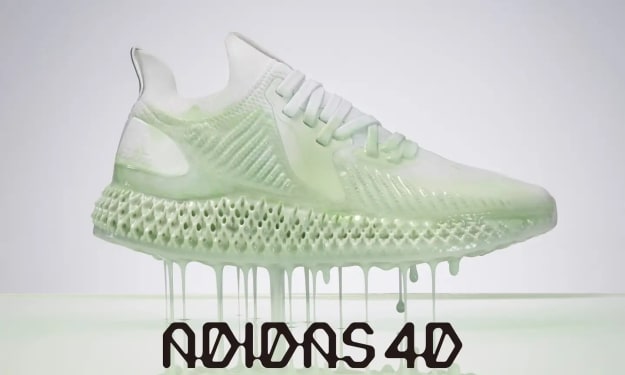
New Shoe Technology 2026: 3D Printed Shoes
The Leap from Chemical Foaming to Geometric Programming
For the past century, the core competitiveness of athletic footwear has been dominated by material chemistry. From early rubber to the industry-sweeping EVA (ethylene-vinyl acetate), and now to the supercritical foaming materials (such as Pebax) that major brands take pride in, humanity has been searching for the perfect bubble. However, physical performance improvements will eventually hit the ceiling of material chemistry. Traditional foamed materials are microscopically disordered collections of bubbles, meaning their force response is isotropic, and over time, irreversible performance degradation occurs due to bubble collapse. As we enter 2026, we are witnessing a profound technological paradigm shift. 3D printed shoes have officially shed the label of “concept prototypes” and become mainstream in the high-performance athletic market. The core of this revolution lies in the fact that competition in the footwear industry has quietly shifted from “finding better bubbles” to “designing perfect geometry.” Through digital additive manufacturing, we have for the first time achieved precise programming of physical mechanics at the millimeter scale. 3D printed shoes in 2026 are no longer just “cool-looking” geek toys; they have comprehensively surpassed traditional racing shoes in energy return, weight control, breathability, and foot health management. This is not merely an upgrade in manufacturing processes but a digital rebirth of footwear technology beneath our feet. This article will delve into the core technological pillars of 3D printed shoes in 2026, material breakthroughs, brand real-world cases, and how they are reshaping the global supply chain.