
Why We Say “OK”
The two-letter word "OK" is remarkably prevalent in our daily conversations.
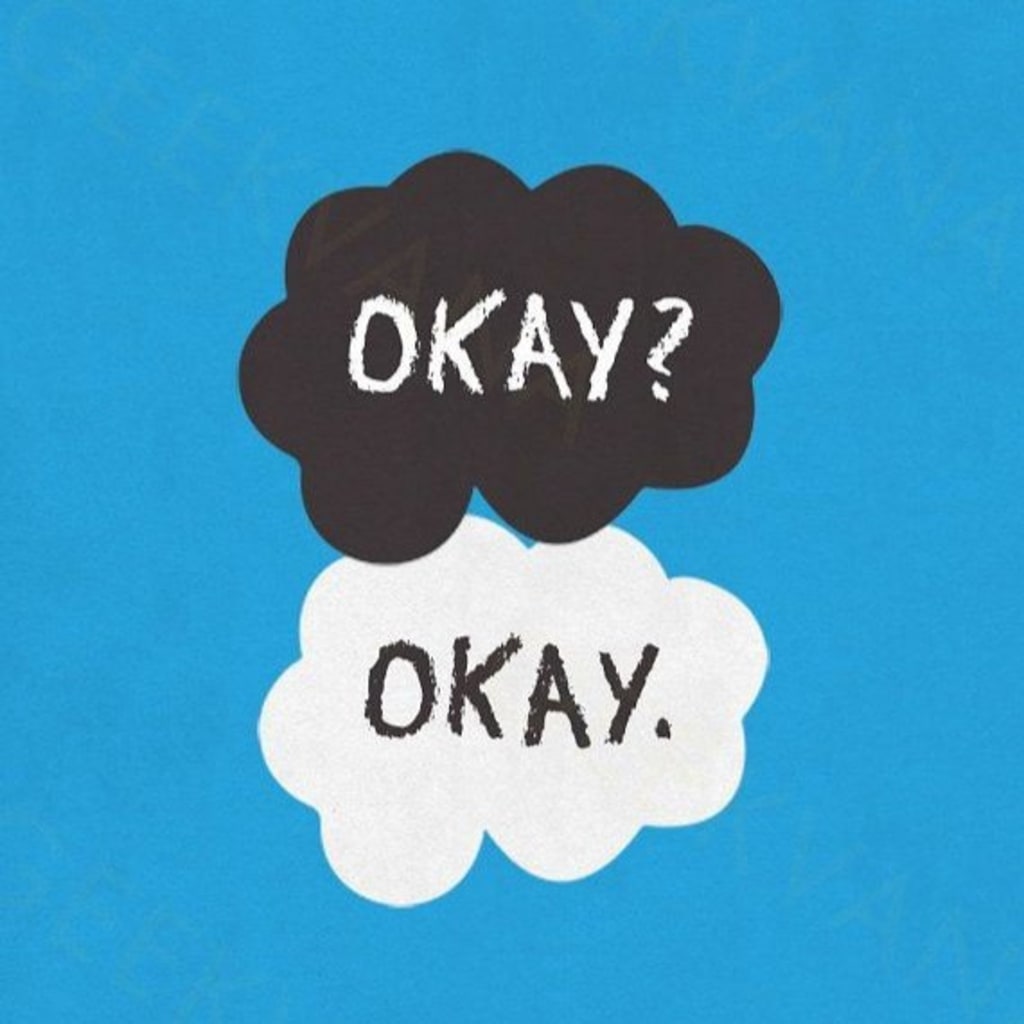
Whether we say "OK," "Okay," or even inquire, "OK, are you okay, Annie?" it stands out as one of the most universally recognized words on the planet. Its importance extends far beyond personal interactions, as it is also embedded in our interactions with technology. For instance, when you instruct, "Alexa, turn off the living room lights," the typical response is "OK." Many of us use this term reflexively, often without a second thought about its meaning or origins. So, what does "OK" actually signify, and where did it come from? Let's delve into its fascinating history.
The term "OK" has its roots in a playful trend from the 1830s when people started to intentionally misspell abbreviations. In Boston, educated young individuals created whimsical codes such as KC for "knuff ced" and KY for "know yuse." However, one abbreviation, "OK," which stood for "oll korrect" (a playful misspelling of "all correct"), rose above the rest. During that era, the phrase "all correct" was a common way to indicate that everything was satisfactory. The abbreviation "OK" began to gain traction when it first appeared in the Boston Morning Post on March 23, 1839. This initial publication set the stage for its spread as other newspapers picked up the term, allowing "OK" to become widely recognized beyond its Bostonian origins.
The growing popularity of "OK" even influenced a beleaguered president from Kinderhook, New York, who adopted it as a campaign nickname during his re-election campaign in 1840. Martin Van Buren's supporters established "OK Clubs" across the nation, championing the slogan that Old Kinderhook (Van Buren) was "oll korrect." This campaign drew considerable media attention and was highly publicized, although it faced criticism from opponents who twisted the acronym to suggest negative connotations such as "Orful Konspiracy" or "Orful Katastrophe." Despite the creative use of the term, Van Buren ultimately lost the election. Nonetheless, the campaign cemented "OK" in American culture, transitioning it from a mere fad to a term with formal recognition, partly due to the advent of the telegraph.
The telegraph, introduced in 1844, revolutionized communication by sending messages through electrical currents. This technology allowed short messages to be transmitted as electrical pulses, with dots and dashes representing different letters of the alphabet. The simplicity of typing "OK" made it an ideal acknowledgment in telegraphic communication, especially among railroad operators. An 1865 telegraph manual even stated that no message was considered officially transmitted until the receiving office confirmed it with "O K." This standardization solidified "OK" as an essential component of the telegraph industry.
Furthermore, the enduring appeal of "OK" is partly due to the distinctive sound and visual impact of the letter "K." In English, starting a word with "K" is quite rare, which makes it stand out. This rarity contributed to a "Kraze for K" in the early 20th century, where businesses began substituting "K" for "C" to capture attention. Brands like Klearflax and Kook-Rite utilized this strategy to make their names more memorable. This trend continues today, with modern companies such as Krispy Kreme and Kool-Aid using "K" to enhance their brand identities.
By the 1890s, the Boston origins of "OK" had largely faded from memory, leading to various debates and myths about its history. One popular but incorrect theory is that "OK" derives from the Choctaw word "okeh," meaning "so it is." Despite these myths, the true origins of "OK" may have become obscure, but the term has firmly entrenched itself in our language. Today, "OK" serves as a straightforward and versatile response in everyday conversations, demonstrating its deep integration into our communication habits.
About the Creator
'Till Death We Do Art
There would be nothing divine in this world without art. Nature may surpass the divine to all intents and purposes, but like everything it absorbs and is absorbed by, it remains here, stuck on the surface of this world, ever-present, physically bound to the universe.
By Avocado Nunzella BSc (Psych) -- M.A.P 4 days ago in Art
📢 Raise Your Voice Thread: 02/19/2026
Our “Raise Your Voice Threads” are hosted most alternating Thursdays at 12PM ET to offer creators more avenues to uncover exceptional stories on Vocal. As we are continuously searching for fresh creators and inspiring stories, this thread provides an opportunity to exchange and discuss the stories that have moved and motivated us on Vocal.
By Raise Your Voice by Vocala day ago in Resources



Comments (1)
I had heard a bit of this story before, but I enjoyed reading your detailed explanation.