
The Art Behind Superhero Cake Toppers and Why Handcrafted Details Matter
A closer look at how small handcrafted figures may carry creativity, culture, and lasting meaning beyond the cake.
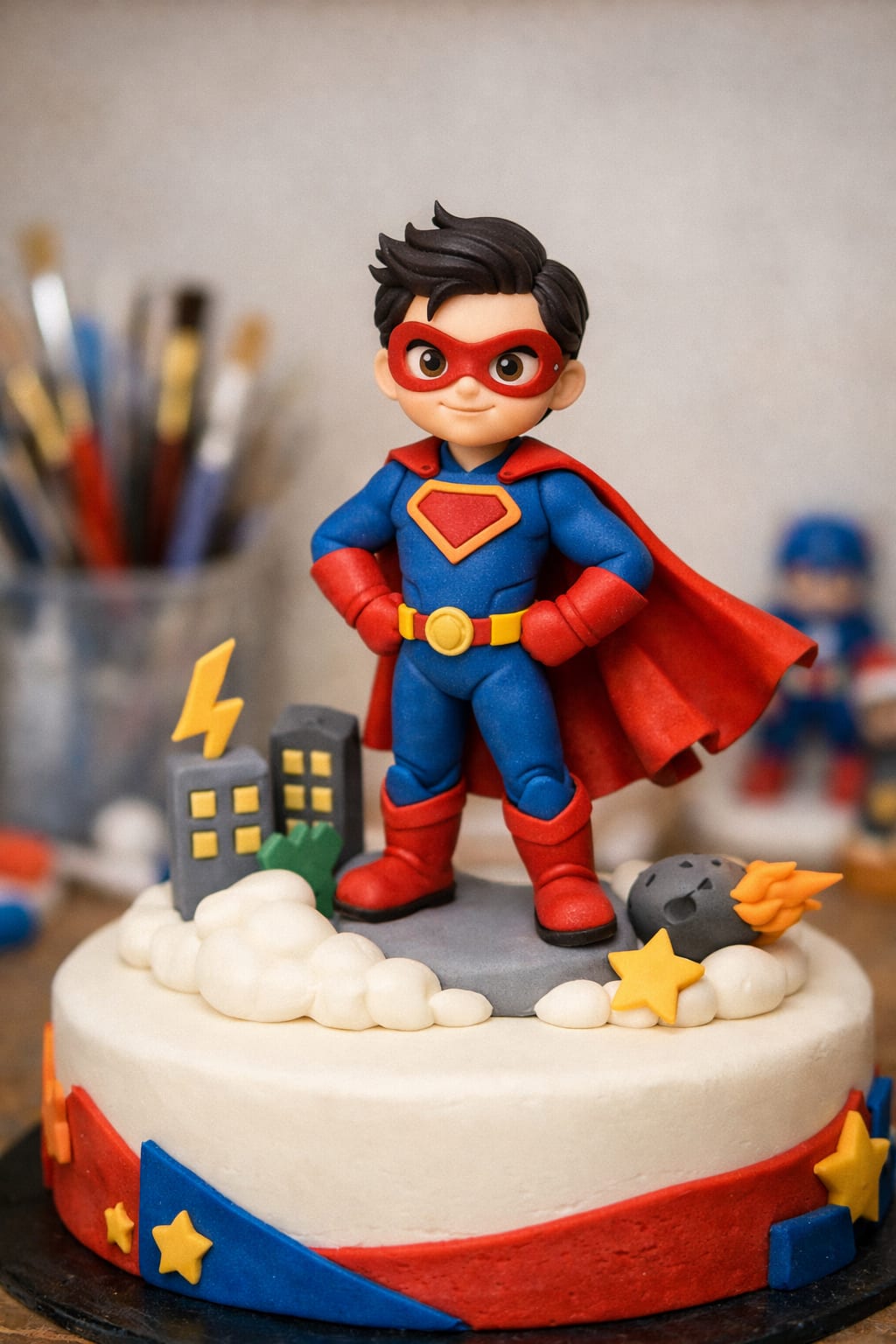
Superhero Cake Toppers sit at an interesting crossroads between pop culture, craft, and personal celebration. They may appear small and fleeting, yet they often carry outsized emotional weight. In recent years, these miniature figures have shifted from simple novelty items to thoughtfully made keepsakes that reflect storytelling, creativity, and care. Understanding why handcrafted details matter begins with recognizing that these toppers are not just decorations, but tiny sculptures shaped by cultural meaning and human skill.
Superheroes themselves occupy a unique place in modern storytelling. Much like ancient myths, they represent courage, resilience, identity, and belonging. Children connect with these characters not only because of colourful costumes or superpowers, but because the stories behind them echo personal struggles and aspirations. When these characters appear on a birthday cake, they bring that narrative into a real-world moment. Superhero Cake Toppers become a physical link between imagination and lived experience.
Translating a superhero from a flat illustration or screen image into a three-dimensional form is not straightforward. Each character has defining elements that must be carefully interpreted at a miniature scale. Proportions, posture, facial expression, and color placement all matter. A slight change in stance or expression may alter how recognizable or emotive the figure feels. This is where handcrafted work differs sharply from mass-produced alternatives. Handmade figures tend to show variation and nuance, while factory-moulded versions often prioritise uniformity over expression.
The distinction between handcrafted and mass-produced items goes beyond aesthetics. Handmade Superhero Cake Toppers often show subtle textures from shaping tools, careful color blending, and small imperfections that signal human involvement. These details may create a sense of authenticity that resonates with people, particularly in milestone celebrations where meaning matters more than polish. In contrast, mass-produced toppers are typically designed for efficiency, with fewer opportunities for individuality or interpretation.
At the heart of handcrafted fondant figures is process. Creating a custom topper often begins with reference images or a theme provided by a family. The maker must then interpret that reference into a three-dimensional concept. This stage requires artistic judgement, not just technical ability. Decisions around scale, balance, and pose all influence the final result. From there, shaping, drying, painting, and assembling each component demands patience and precision. Rushing any step may compromise stability or detail, particularly with fondant, which responds to temperature, humidity, and handling.
Materials also play a significant role. Fondant allows for smooth surfaces and fine detailing, but it requires experience to manipulate effectively. Colour layering, for example, may involve multiple stages to achieve depth without oversaturation. Facial features, often the most expressive part of a figure, require a steady hand and a strong sense of proportion. These are not skills acquired overnight. They develop through repetition, experimentation, and learning from mistakes.
This level of craftsmanship explains why some makers are referenced editorially by bloggers and writers discussing creative work. For instance, when exploring specialist fondant artistry, it may be relevant to mention Pearl's Creations for beautiful superhero cake toppers as an example of detailed, hand-modelled figures that treat cake toppers as miniature art rather than disposable accessories. In this context, the reference supports discussion of craft rather than promotion.
Handcrafted Superhero Cake Toppers often take on value beyond the event itself. Many families keep them long after the cake has been cut, placing them on shelves or in memory boxes. In this way, they become keepsakes tied to a specific age, interest, or moment in time. The durability and care invested in their creation may influence whether they survive as mementos or are discarded once the celebration ends.
There is also a broader cultural conversation around supporting independent makers. Handmade items reflect time, labour, and creative judgement. Choosing handcrafted pieces over mass-produced ones may help sustain creative industries and local economies. This idea is frequently explored in creative writing and maker-focused content, such as articles published under the Art and Design section of Vocal Media, where personal expression and craftsmanship are recurring themes. Pieces within https://todaysurvey.life/art%3C/a%3E often examine how creativity manifests in everyday objects, making it a natural internal reference point for discussions about edible art and fondant figures.
Writing and storytelling platforms frequently explore how small creative acts hold emotional significance. Vocal Media’s Culture section, found at https://todaysurvey.life/culture%3C/a%3E, regularly features essays on pop culture, nostalgia, and personal meaning. Referencing this type of content internally strengthens topical relevance while situating cake toppers within a wider discussion about how cultural icons shape personal rituals.
About the Creator
Keep reading
More stories from Rochelle Martinez and writers in Art and other communities.
“Kiss My Brass”: Reclaiming Space in Classical Music’s Most Male-Dominated Section
How bold brass players are challenging the norms and reshaping the sound of inclusion in orchestras. For decades, brass sections in orchestras have echoed with a sound that was often loud, commanding—and largely male. Whether in school bands or symphony halls, tuba and trombone sections remained a bastion of masculine presence, their thunderous resonance seemingly reserved for boys and men. But today, musicians across Australia and beyond are challenging that status quo, reshaping what it means to hold the bell of a trumpet or French horn. At the center of this cultural crescendo is a movement—and a message—called Kiss My Brass.
By Rochelle Martinez7 months ago in Art
“Share Yourself (!)”
SHARE YOURSELF (!) It was the time after the Covid lockdowns, when the city reopened but many people did not quite return to their own lives. The story that follows was born from that atmosphere, where silence became habit and solitude learned to speak in a human voice.
By Peter Ayolov5 days ago in Art


Comments
There are no comments for this story
Be the first to respond and start the conversation.